

EW Systems
Sort By:
In stock
In stock
In stock
Automotive EW Jammer Hrets 5ML
260 000 грн.
238 800 грн.
-8%
In stock
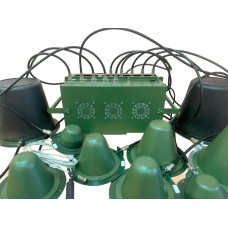
EW jammer Hoverla 8-band Lynx development
260 000 грн.
In stock
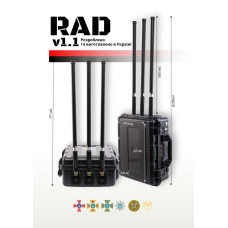
EW TRENCH RAD V1.1 400–1100 MHz (2 cases)
275 000 грн.
In stock
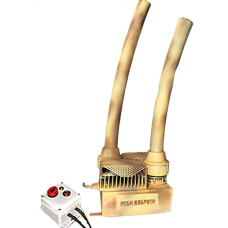
EW Dobrota 2 from FPV Ponyzhenyi
55 000 грн.
In stock
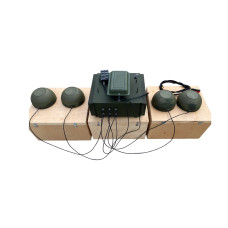
EW Jammer Shelter 12-Band AM Series Universal
286 000 грн.
In stock
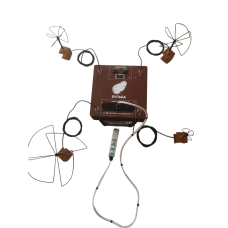
Dome EW Jammer Bulba 1.0
120 000 грн.
In stock
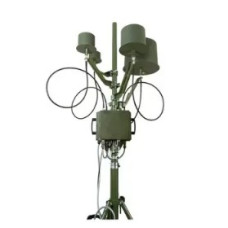
EW KVERTUS LTEJ MIRAGE 1 300-6000 MHz
304 500 грн.
In stock
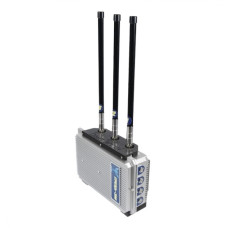
Automotive EW Jammer Hrets 3M – Vehicle-Mounted EW
140 400 грн.
In stock
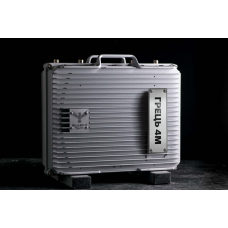
Lightweight EW Jammer "Hrets" 4M
181 200 грн.
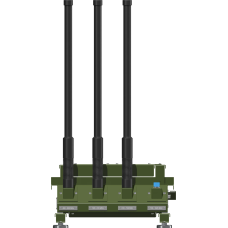
In stock
Lokki-3 — Vehicle EW Jammer with Three Antennas
79 000 грн.
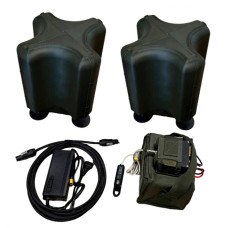
In stock
EW Jammer Kulbaba FG 410-560 MHz
115 000 грн.
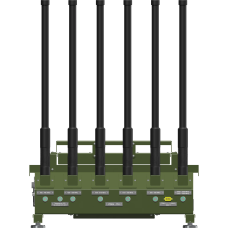
In stock
Universal EW Jammer Odin XL-6 with Six Antennas
152 000 грн.
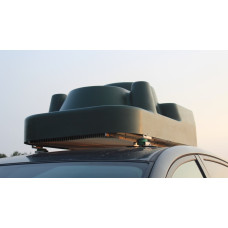
In stock
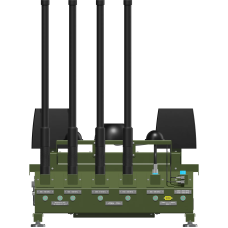
EW KASPER C3 200-6000 MHz Modular
304 000 грн.
In stock
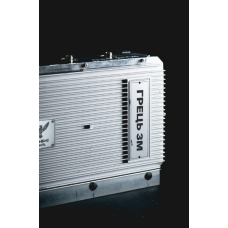
Universal EW Jammer Odin XL-9 with Nine Antennas
182 000 грн.
In stock
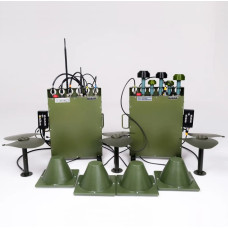
Compact Drone Jammer "Hrets" 3M
160 000 грн.
140 400 грн.
-12%
In stock
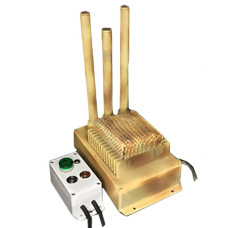
EW Babai 12M MZ 200-5850 MHz trench/vehicle Babai
520 000 грн.
In stock
EW Dobrota 6 for FPV, 3 bands
68 000 грн.
In stock
In stock
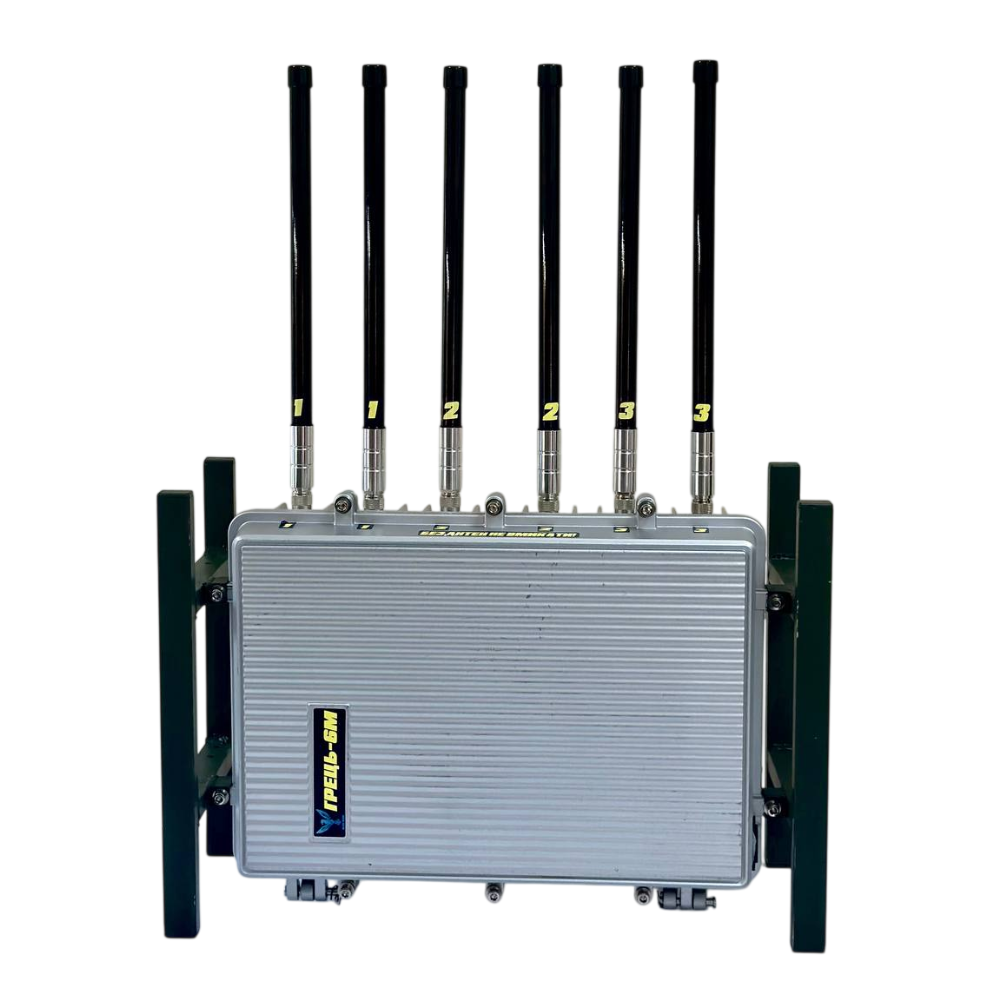
High-Power EW Jammer "Grets" 6M
290 000 грн.
256 800 грн.
-11%
In stock
In stock
In stock
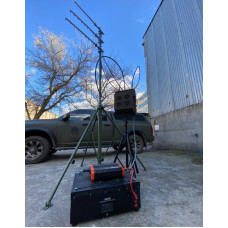
EW KVERTUS AD KRAKEN COUNTER GPS 1160-1620MHz
514 500 грн.
Frequently asked questions about products in this category EW Systems
EW is a system that creates radio interference for the operation of electronic devices. EW jammers emit a signal in the same frequency bands where drone communication or navigation operates. As a result, the UAV may lose its control channel, video signal, or precise positioning.
In warfare, EW systems are used to counter enemy drones and radio communications. Such systems can suppress UAV control channels or jam navigation signals. An EW system helps reduce the effectiveness of reconnaissance and attacks using drones.
EW against drones creates powerful interference on frequencies used by the control channel or FPV video signal. Most often, FPV drones use the 2.4 GHz and 5.8 GHz bands for communication with the operator. When an EW system blocks these frequencies, the drone may lose its control signal and cease controlled flight.
EW can affect drones that use satellite navigation or radio control channels. EW jammers sometimes create interference for GPS or other navigation signals, causing the drone to lose its precise route. Effectiveness depends on the UAV model and the resilience of its electronics to interference.
An EW system operates by emitting radio waves in specific frequency bands. Such signals are designed to affect electronics, not humans. At the same time, when using powerful EW jammers, it is important to follow technical recommendations and maintain a safe distance.
The operating range of EW jammers depends on transmitter power, antenna type, and terrain conditions. In compact systems, the suppression zone can be tens or hundreds of meters, depending on parameters and characteristics. Powerful EW systems are capable of creating interference at a much greater distance.
Modern EW jammers can operate on multiple frequency channels simultaneously. This allows them to suppress various frequency bands used by drones or communication systems at the same time. The number of channels depends on the design of the specific EW system.
Battery life depends on system power and battery capacity. Portable EW jammers can operate for several hours without recharging. More powerful systems often use external power sources or a vehicle's electrical system.
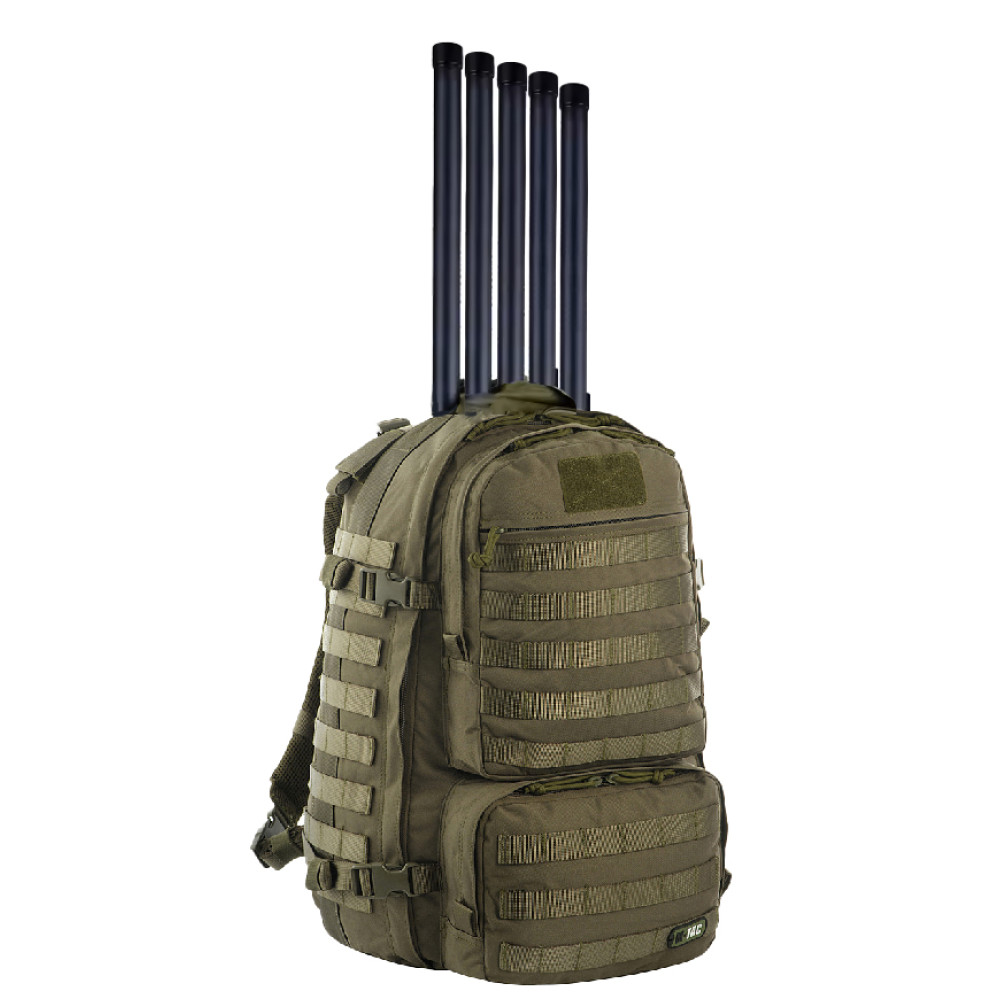
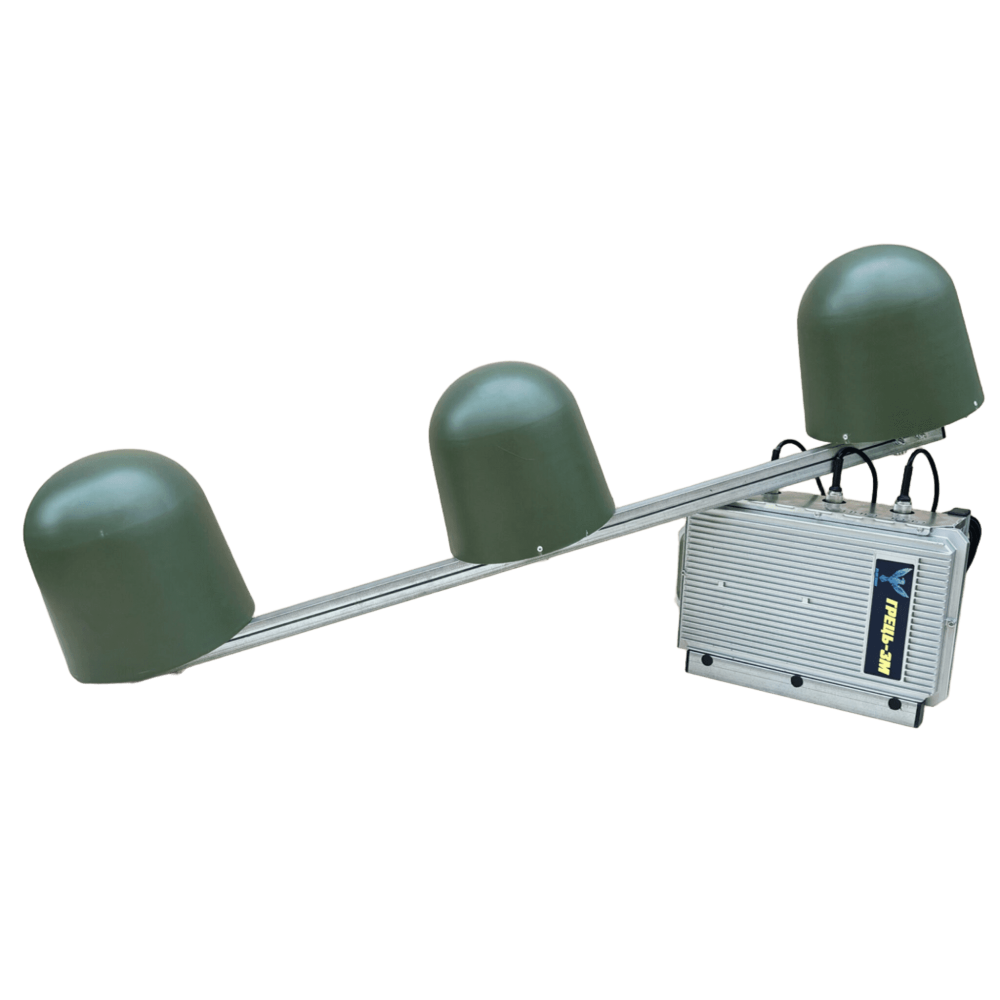
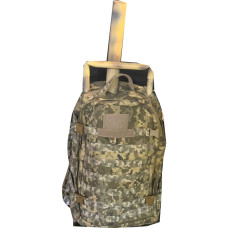
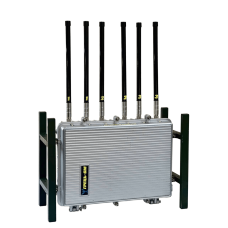
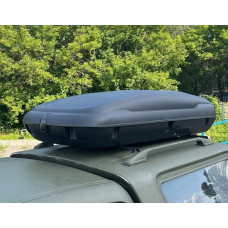
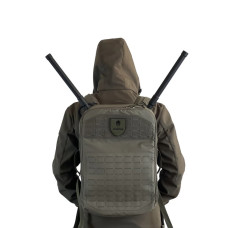
EW jammers can vary in design and application. Backpack systems are designed for mobile use by infantry, while trench systems are for position defense. There are also vehicle-mounted and dome EW systems that create a signal suppression zone around equipment or an object.
The price of an EW system depends on its power, number of channels, and design type. Compact EW jammers may be cheaper, while complex anti-drone systems are significantly more expensive. The cost is also determined by the equipment's technical specifications.
You can buy EW jammers against drones for your needs on the FlashArmy military equipment marketplace. Depending on the conditions of use and frequency coverage, various EW jammers are available for suppressing UAV signals. Before choosing, you should pay attention to the operating frequencies, system power, and the number of suppression channels.