

Drywall Sander for Walls and Ceilings
There are no products to list in this category.
Continue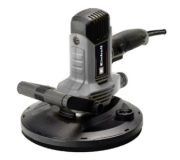
What are wall and ceiling sanders?
A wall and ceiling sander is an electric sanding machine with a long telescopic handle for sanding surfaces. It is used for dry sanding of plastered surfaces, as well as removing old paint and varnish. Thanks to its telescopic handle, it allows working without a ladder at high speed and with the possibility of connecting a construction vacuum cleaner.
What are wall and ceiling sanders used for?
A sanding giraffe is used for leveling plaster, sanding drywall, removing old paint or varnish, treating joints and corners, and preparing for painting. Unlike other types of sanders, they allow working with high surfaces without a ladder. Wall sanders are often chosen together with electric rotary hammers to cover all levels of work.
Characteristics of wall and ceiling sanders
Before buying, it is worth considering not only prices, but also parameters:
- motor power and speed stability under load;
- sanding disc diameter;
- handle or telescopic pole length;
- presence of backlighting along the edge of the working area;
- speed regulation;
- possibility of dust extraction connection;
- tool weight and ease of holding.
Features of wall and ceiling sanders
The main advantage of the tool is a large processing area. A regular hand float can also be used to finish a wall, but it is slow and difficult, especially on the ceiling. A sanding machine makes the same process faster and more even, because the disc works stably, and the operator only guides the machine over the surface.
Backlighting helps to see waves, scratches, and unevenness even before painting. This is important because after applying paint, defects become more noticeable. During repairs, various needs arise, so it is also worth paying attention to demolition hammers.
How to choose wall and ceiling sanders?
Before purchasing a wall sander, it is necessary to consider power, weight, handle comfort, and dust extraction. Weight is important for long work: a heavy machine tires the hands faster, especially when working on the ceiling, so tool balance is no less important than RPM.
Separately, the disc diameter and consumables should be considered. For initial sanding, a coarser grit is used; for preparation before painting, a finer one. If the surface after plastering has waves or noticeable transitions, it is better not to rush the finish and go through it in stages.
Where to buy wall and ceiling sanders?
If you are looking for where to buy a sanding giraffe, contact Flash Army. The catalog presents wall sanders of various powers, disc diameters, and weights. So, a wall and ceiling sander can be chosen for apartment or house renovation or regular finishing work, comparing power, disc diameter, pole length, and the presence of backlighting. Along with the tool, you can also purchase the necessary consumables and other repair items. If you cannot decide which model is suitable for plaster, ceiling, or a large volume of work, consultants will help you navigate before purchasing.