

Antennas for EW
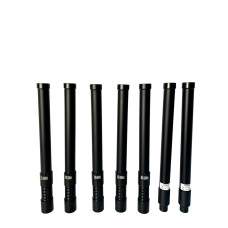
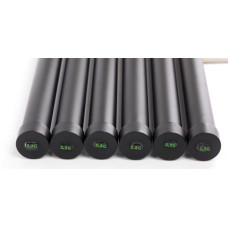
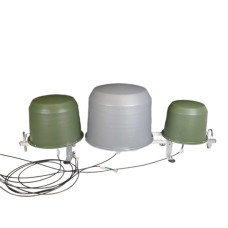
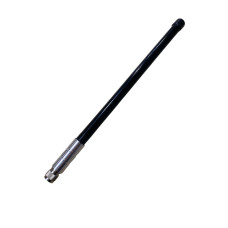

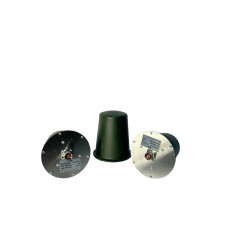
-depositphotos-bgremover-min-228x228.png "Pentax Antenna for EW 800-920 MHz")
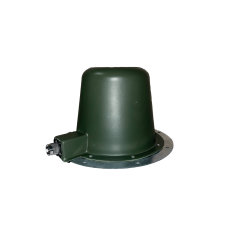
-depositphotos-bgremover(1)-min-228x228.png "Pentax Antenna for EW 750-850 MHz")
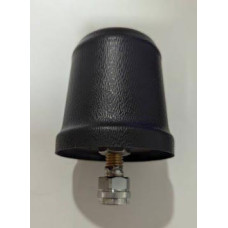
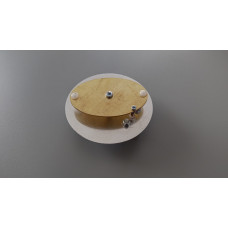
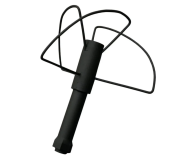
What are EW antennas?
EW antennas are a part of a system that directly interacts with the airwaves. Not only the presence of a signal depends on it, but also how it propagates in space and whether it reaches the desired point at all. An EW antenna determines the coverage pattern: the signal can spread evenly around or concentrate in a specific direction, and this affects the entire system's operation more than it seems at first glance.
What are EW antennas used for?
EW antennas are needed to work with frequencies in a specific area where it is important not just to create interference, but to do so in a controlled manner. In real-world conditions, this means either covering the surrounding space or working in a specific direction when the signal needs to reach a defined point. If you need to cover a circular area, omnidirectional antennas are used, which provide stable coverage without the need to orient the system.
What types of antennas are used for EW?
In practice, various types of antennas are used, and the choice depends on the task. Omnidirectional antennas are chosen for covering the surrounding space without precise aiming; these include dome, cloverleaf, and quadrifilar antennas, which work stably in different directions. Directional solutions work differently: they concentrate the signal in a specific sector, which allows either increasing the distance or more precisely affecting the channel, and for this, patch, log-periodic, or dipole designs are used.
Characteristics of EW antennas
When choosing, it makes sense to look at parameters that genuinely affect performance:
- frequencies — the EW antenna must match the system's range, otherwise efficiency drops sharply;
- gain — determines how densely or far the signal operates;
- radiation pattern — affects the coverage shape and range;
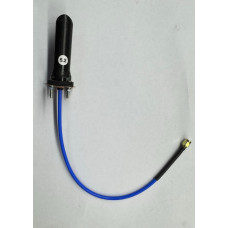
- cable and connection — cause signal loss or, conversely, preserve it;
- design — the antenna's behavior in operation depends on its rigidity and stability.
Recommendations for choosing an EW antenna
The selection begins with defining the task that the EW antenna must handle. If you need to cover the surrounding space, omnidirectional options are chosen; if you need to work in a specific direction — directional ones, and often these solutions are combined. It is also worth paying attention to the frequency type and compatibility with the EW system, which are checked first, because errors at this stage are not immediately visible but manifest during operation.
Where to buy EW antennas?
In the store, you can buy EW equipment with suitable antennas, but it is important not to choose the first option that looks good, but to base your decision on the operating conditions. At Flash Army, you can select EW antennas for specific frequencies and operating formats, and also immediately get compatible elements so that the system works without additional adjustments and replacements during use.