

Military Antennas for FPV Drones
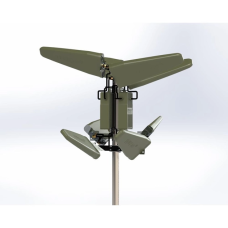
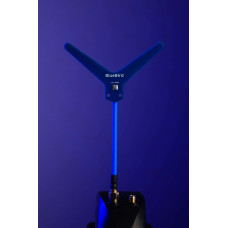
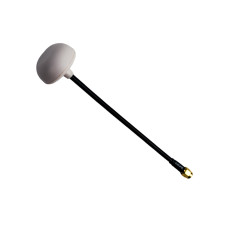
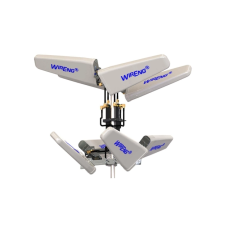


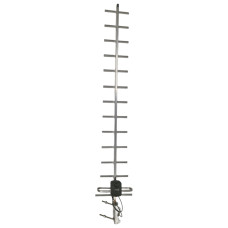


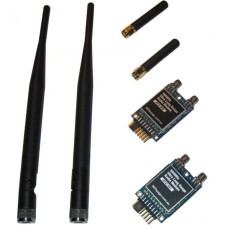
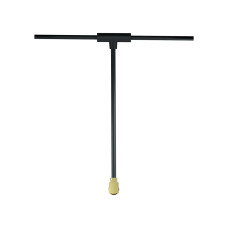


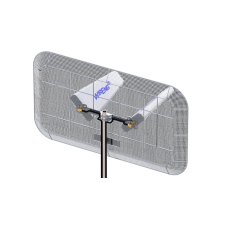




What are antennas for FPV drones?
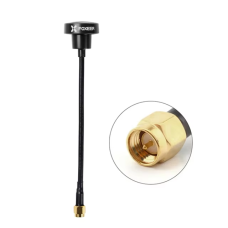
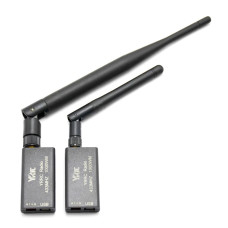
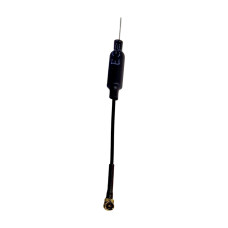
Antennas for drones are the heart of any FPV system. They are responsible for signal stability, flight range, and control reliability. External antennas for drones are especially important when stable radio communication is needed even in difficult conditions. Without external antennas for stable radio communication, the transmitter and receiver do not operate at full power, and the drone can "disappear" from the air. Therefore, FPV antennas are a necessity for every operator. Types of drone antennas Main types:
- Linearly polarized antennas — simple but effective for direct signals.
- Circularly polarized antennas — more resistant to interference and suitable for active flight.
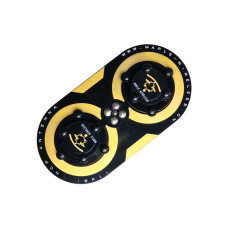
- Patch antennas — compact, concentrate the signal in a narrow sector, increasing range.
- Helix antennas — a top option for long distances and stable FPV communication.
Purpose of FPV antennas
The main task is to ensure a stable signal between the drone and the pilot. This applies to both video recording and equipment control. Antennas for FPV drones ensure that the transmitter and receiver operate with maximum efficiency, and control remains precise and error-free.
Main antenna parameters
Important characteristics:
- Frequency and range — affect compatibility and range.
- Polarization and directivity — determine signal stability and control accuracy.
- Amplifier and module — help maintain stable radio communication even at long distances.
- Compatibility with transmitter and receiver — so that all systems work in unison.
How to choose antennas for FPV drones?
When choosing, focus on:
- frequency,
- operating range,
- polarization type
- and directivity.
Circularly polarized or helix antennas are well-suited for difficult conditions, while patch or linear antennas are for compact models. External antennas for drones help optimize the signal and increase control range.
Where to buy FPV antennas?
At Flash Army, you can buy FPV drone antennas directly from the manufacturer. Quality assurance, fast delivery, and expert support will help you choose the optimal option. Reliable antennas mean stable signal, precise control, and confidence in flight.
- Brand: AKK Drone Antennas Antennas for AUTEL Drones Antennas for BattleBorn Drones Antennas for BetaFPV Drones Antennas for BlueBird Drones DiFly Drone Antennas Antennas for DJI Drones Antennas for EFPV Drones Flytex Drone Antennas Antennas for FLYWOO Drones Foxeer Drone Antennas Antennas for Frsky Drones GEPRC Drone Antennas Happymodel Drone Antennas iFlight Drone Antennas Maple Wireless Antennas for Drones Mayatech Antennas for Drones Antennas for Phoenix drones RadioMaster Drone Antennas RFDesign Drone Antennas RushFPV Drone Antennas Skyzone Drone Antennas Antennas for SpeedyBee Drones Sunhans Drone Antennas Teletactica Drone Antennas TrueRC Drone Antennas YRRC Drone Antennas
- Connector type: Antennas for Drones with IPEX Connector Antennas for Drones with MMCX Connector Antennas for drones with N-type connector Antennas for drones with RP-SMA connector Antennas for drones with SMA connector Antennas for drones with UFL connector Antennas for Solder-On Drone Installation
- Frequency range: Antennas for Drones with 1-1000 MHz Frequency Range Antennas for Drones with 1001-2000 MHz Frequency Range Antennas for Drones with 2001-3000 MHz Frequency Range Antennas for Drones with 3001-4000 MHz Frequency Range Antennas for drones with frequency range 4001-5000 MHz Antennas for Drones with 5001-6000 MHz Frequency Range Antennas for drones with frequency range 6001-7000 MHz
- Gain, dBi: Antennas for drones with 4.5 dBi gain Antennas for drones with 5.0 dBi gain Antennas for drones with 5.5 dBi gain Antennas for Drones with 6.0 dBi Gain