

Uninterruptible Power Supplies
There are no products to list in this category.
Continue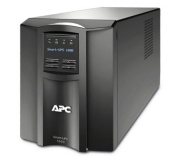
Uninterruptible Power Supplies
An uninterruptible power supply (UPS) is a device that provides stable power during network outages. It prevents sudden equipment shutdowns, protects against power surges, and allows for safe system shutdown.
Why you need uninterruptible power supplies: key advantages
- Protection against data loss and equipment damage.
- Continuous equipment operation during emergency power outages.
- Stable voltage for sensitive electronics.
- Additional time to save information or switch to a generator.
Where UPS devices are used
- At home: routers, computers.
- In security systems: CCTV cameras, DVR/NVR.
- In offices and enterprises: servers, network equipment, cash registers.
- In industry: automation, controllers, control systems.
Types of UPS
- Off-line (Standby) – basic protection for undemanding equipment (router, video camera).
- Line-interactive – stabilize voltage. Suitable for PCs, workstations, small servers.
- On-line (Double Conversion) – provide maximum protection and stability. Used for servers, data centers, automation.
Technical specifications to consider
- Power (W/VA): should be 20–30% higher than the total equipment consumption.
- Battery runtime: from a few minutes to several hours depending on the batteries.
- Output waveform: simulated sine wave or pure sine wave (pure sine wave is required for servers and automation).
- Number of outlets and connection type.
- Features: USB or network management, battery replacement, surge protection.
How to choose the right uninterruptible power supply?
Flash Army will help you make the right choice:
- For a router or CCTV camera – an off-line model of 400–600 VA with 10–30 minutes of autonomy is sufficient.
- For a PC or small server – choose a line-interactive UPS from 800 to 1500 VA with voltage stabilization.
- For corporate servers and data centers – an on-line UPS from 3 kVA with a pure sine wave and the ability to connect additional batteries is required.
- For automation and industrial equipment – only on-line systems with a high level of protection and redundancy.