

Thermal Imaging Sights for Military Use
There are no products to list in this category.
Continue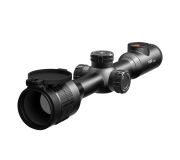
What are thermal imaging sights?
Thermal imaging sights are modern optical devices that operate based on infrared radiation. They allow you to see a target even in complete darkness, through smoke or fog. Thanks to such devices, military personnel gain a significant advantage during night operations or in conditions of limited visibility.
Purpose of thermal imaging sights
The main function of a thermal imaging sight is precise aiming and target observation at any distance. Such devices are used for:
- effective night reconnaissance;
- rapid object detection;
- supporting unit tactical actions;
- maintaining military personnel safety in challenging conditions.
Features of thermal imaging sights
- Modern models are equipped with an adjustable reticle, digital control, a built-in laser rangefinder, and special programs for adapting to various scenarios. Digital zoom is widely used, as are quick-release mounts for convenience in field conditions. The combination of ergonomics and compactness is important, allowing easy integration of the device into tactical equipment.
How to choose thermal imaging sights?
Before you buy thermal imaging sights, consider:
- matrix resolution and refresh rate;
- object detection range;
- objective lens diameter and image quality;
- presence of manual focusing;
- type of thermal imaging module and battery life.
The correct choice of device depends on your tasks — whether it's precise shooting at medium distances or large-scale night reconnaissance.
Where to buy thermal imaging sights?
Reliable thermal imaging sights can be ordered from Flash Army. Here you will find tested equipment with quality assurance, optimal characteristics, and fast delivery across Ukraine. This is a solution for those who value accuracy, reliability, and modern technology.