

Helical Antennas
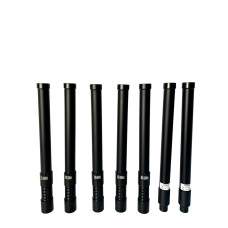
(1)-228x228.jpg "Antenna Helical 3.3 GHz 16.3 dBi 18 turns")
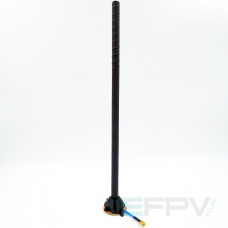
-228x228.jpg "Antenna Helical LHCP 17.8 dBi 22 turns 4.9-6.1 GHz")
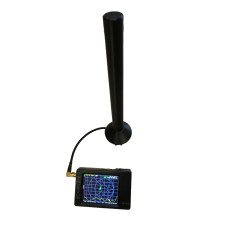
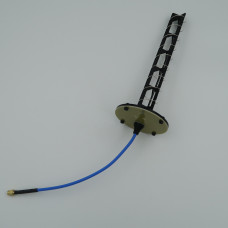
-228x228.jpg "Antenna Helical RHCP 10 dBi 6 Turns 4.9-6.1 GHz")
-228x228.jpg "Antenna Helical 3.3 GHz 12dBi")
-228x228.jpg "Helical Antenna RHCP 17.8 dBi 22 Turns 4.9-6.1 GHz")
-228x228.jpg "Helical Antenna RHCP 16.3 dBi 18 Turns 4.9-6.1 GHz")
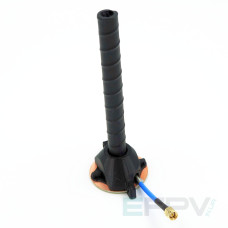
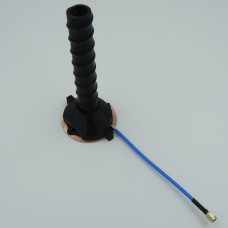
-228x228.jpg "Helical RHCP Antenna 17.8 dBi 22 Turns 4.9-6.1 GHz (30 cm)")
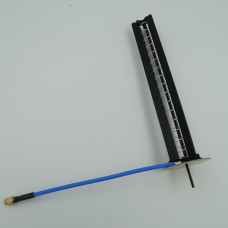
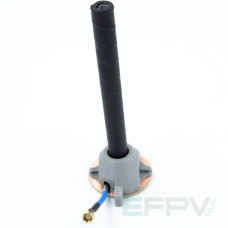
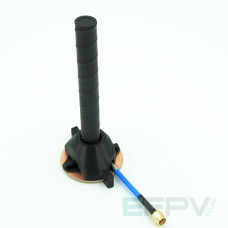
-228x228.jpg "Antenna Helical LHCP 12 dBi 10 turns 4.9-6.1 GHz")
-228x228.jpg "Antenna Helical LHCP 16.3 dBi 18 turns 4.9-6.1 GHz")
-228x228.jpg "Antenna Helical RP-LHCP 16.3 dBi 18 turns 4.9-6.1 GHz")
-228x228.jpg "Helical Antenna RP-LHCP 17.8 dBi 22 Turns 4.9-6.1 GHz")
-228x228.jpg "Helical Antenna RHCP 16.3 dBi 18 Turns 4.9-6.1 GHz (30 cm)")
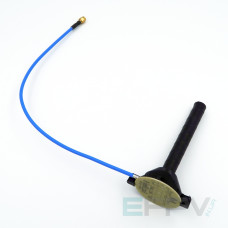
-228x228.jpg "Antenna Helical/Helix RP-LHCP 12 dBi 10 turns 4.9-6.1 GHz")
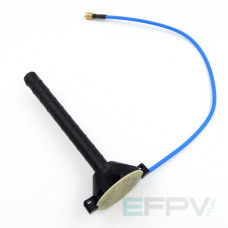
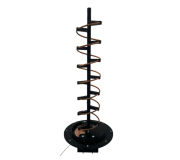
What are helical antennas?
A helical antenna is an emitter with a spiral shape. Thanks to this design, it forms circular polarization and allows signal transmission over long distances. This solution is especially relevant where stable communication is critical.
Purpose of helical antennas
A helical antenna is used for high-quality communication between a transmitter and a receiver over long distances. A helix antenna provides signal power and stability even in difficult conditions, making it effective for drones, mobile complexes, and field communication systems. Thanks to its directivity, a helix antenna works where standard omnidirectional antennas may lose range.
Features of helical antennas
A feature of the helix antenna is its clearly defined focused signal direction. This allows for a high gain coefficient and data transmission over longer distances. Circular polarization minimizes signal loss when the drone or moving object changes position. Also, the helix antenna is distinguished by its versatility in frequency selection and compatibility with various systems.
Main antenna characteristics
- Frequency range: wide, with the ability to customize for various tasks.
- Polarization: circular, which increases communication stability.
- Beam angle: allows focusing the signal in the desired direction.
- Gain: high coefficient, enabling long-range operation.
- Directivity: more pronounced than in standard omnidirectional antennas.
How to choose helical antennas?
When choosing helix antennas, consider:
- operating frequency range;
- direction of circular polarization;
- required gain level;
- beam angle;
- connector type;
- dimensions and weight for compatibility with the transmitter or receiver.
A helix antenna should not only be productive but also conveniently integrated into your system.
Where to buy antennas
Reliable military helix antennas are available at the Flash Army store. Here you will receive a quality guarantee, verified models, and fast delivery across Ukraine.