
Tile Cutters
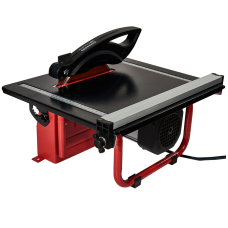
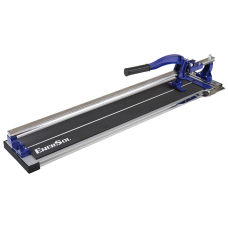
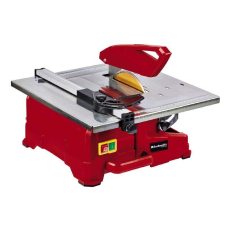

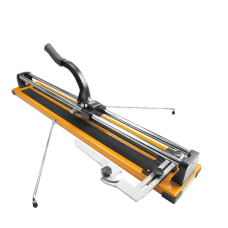
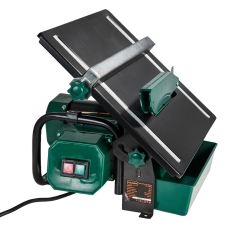
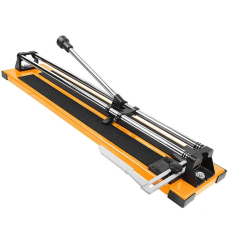
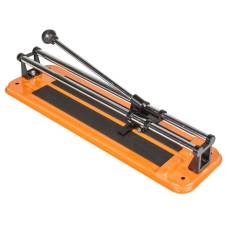
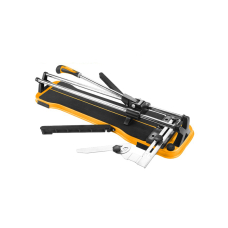
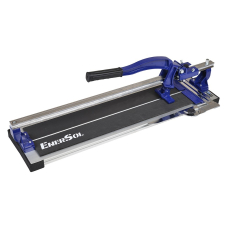
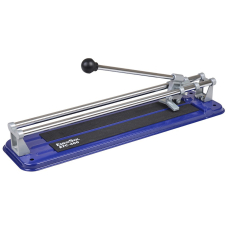
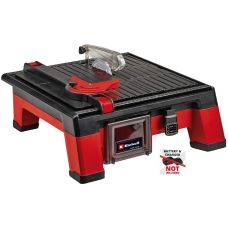
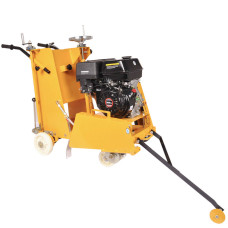

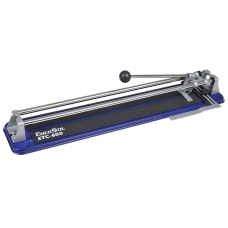
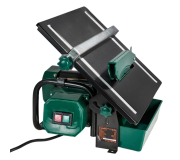
What is a tile cutter?
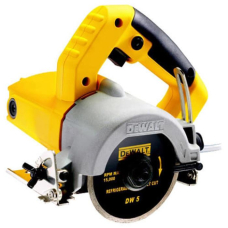
A tile cutter is a tool used for making straight cuts in tiles to the required size. It is used for ceramic tiles, porcelain stoneware, floor tiles, and for trimming around walls, pipes, boxes, and thresholds. An angle grinder can also cut tiles, but it produces more dust and noise and often leaves a rough edge.
What is a tile cutter used for?
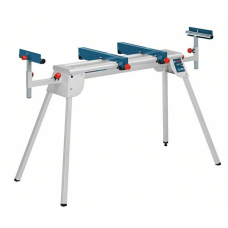
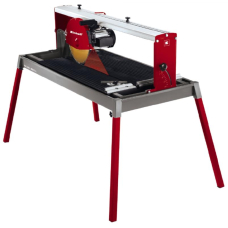
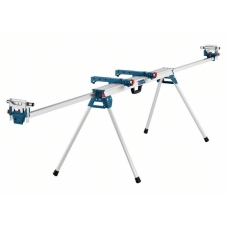
A tile cutter is needed during renovation of bathrooms, kitchens, hallways, stairs, or backsplashes. It helps make straight cuts, repeat identical dimensions, and avoid damaging tiles on every second cut. For long workpieces and batch cutting, cutting tables are also relevant.
What tasks does a tile cutter perform?
The tool trims tiles along their length, creates narrow inserts, adjusts edge rows, and helps finish tiling neatly along corners. Before drilling into a finished wall, it is better to check the area using wire detectors, because cables under tiles are no longer visible.
Types of tile cutters
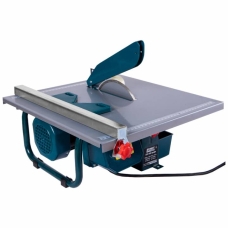
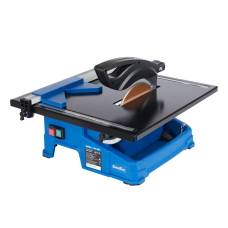
A manual tile cutter works using a scoring wheel and a breaking lever. It is suitable for ceramic tiles, wall tiles, and small repairs. An electric tile cutter uses a diamond blade, often with water cooling. This option is better for porcelain stoneware, thick tiles, diagonal cuts, and larger workloads.
Features and advantages of tile cutters
When choosing, not only price and tool type matter:
- Cutting length: for 600 mm tiles, you need extra rail length, not a barely sufficient model;
- Tile thickness: manual models usually handle up to about 10–12 mm, while electric ones work better with thicker porcelain stoneware;
- Base frame: a rigid base prevents tile shifting;
- Wheel or blade: the wheel must score the glaze smoothly, the blade must not overheat;
- Cutting angle: a 45° stop is needed for diagonal cuts;
- Water: in electric models, it reduces dust and cools the blade.
Recommendations for choosing tile cutters
For wall tiles and small repairs, a manual model with a straight guide and a decent scoring wheel is enough. For floor tiles, porcelain stoneware, thickness above 10 mm, and continuous cutting, it is better to choose an electric version with a 180–250 mm blade, a stable table, and water supply. For precise holes for fasteners, drilling machines may also be needed.
Where to buy a tile cutter?
To choose a tile cutter correctly, you should check tile format, thickness, cutting length, cutting type, guide quality, presence of stops, cooling system, and spare consumables. For a single renovation, a heavy electric model is not always necessary, while a weak manual cutter quickly becomes a problem for porcelain stoneware. When a tile cutter, blades, drill bits, and related tools are selected together, it is easier to assemble everything for one project; such items can be found among Flash Army products.