
Tie-down Straps
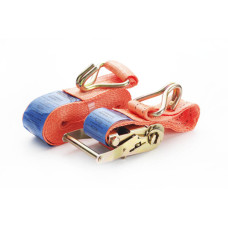
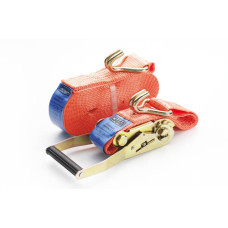
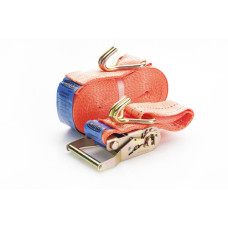
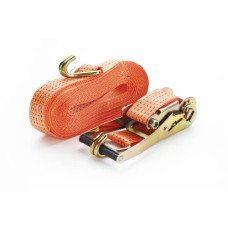
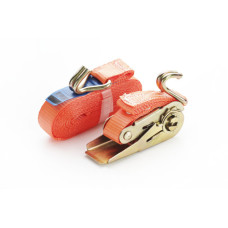
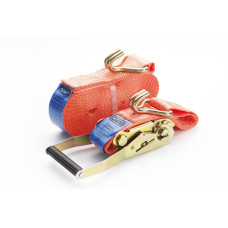
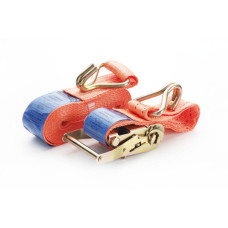
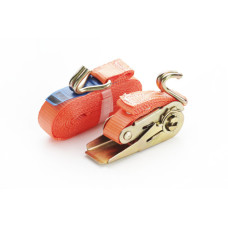

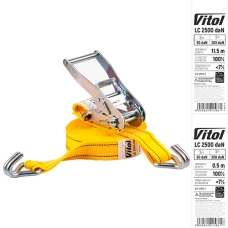
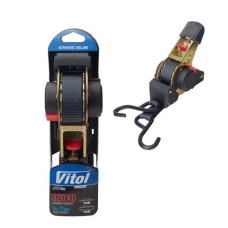
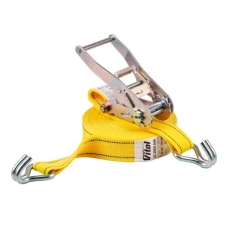

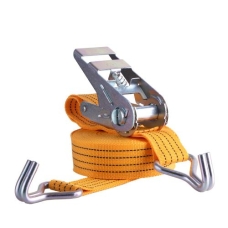
What is a tie-down strap?
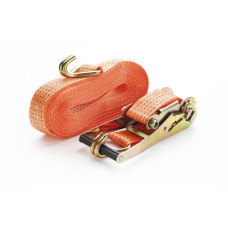
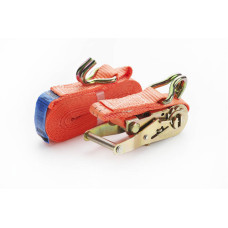
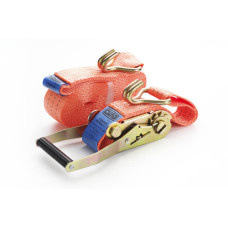
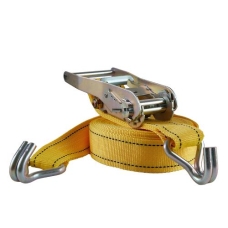
A tie-down strap is a strong strap with a buckle that secures cargo during transport. It's easy to use: wrap it around, tighten, and secure. But without this simple item, any movement with cargo becomes a risk.
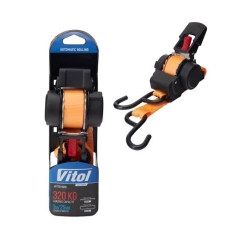
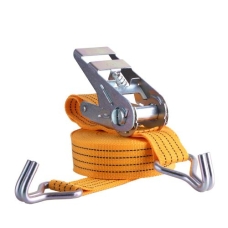
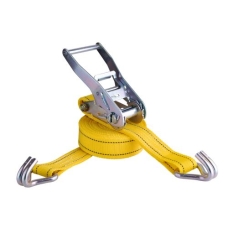
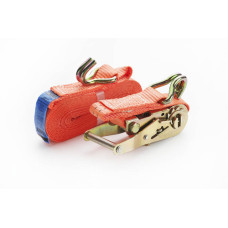
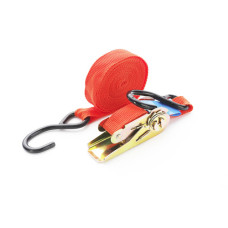
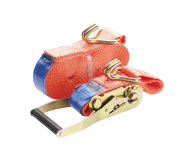
Tie-down straps are made from polyester and feature a ratchet or tensioner for tightening. The design is clear even to those using it for the first time.
Purpose of a tie-down strap
A tie-down strap is needed when cargo must not move an inch. In civilian transport, this includes household appliances, furniture, and building materials.
In military conditions, tie-down straps secure gear, equipment boxes, and additional items on vehicles. Roads vary, and loads are constant. If the fastening is weak, shifting is guaranteed.
One should never forget about unpredictable circumstances, so it's always better to carry a jack, a basic tool kit, and a spare tire for wheel replacement.
Advantages of a tie-down strap
The main advantage is its ease of use. The tensioner allows you to set the desired pulling force and secure it. In operation, this provides:
- tension control;
- reusability without loss of strength;
- convenient fastening via hook or loop;
- compactness when folded.
Another advantage is the material. Polyester is not afraid of moisture and does not stretch after the first use.
Types of tie-down straps
There are options with a hook for attachment to a side or frame. There are models with a loop – these are convenient when there is no open attachment point.
Tie-down straps with a ratchet mechanism are suitable for heavier loads. Simpler models without a complex buckle are used for lighter tasks. Often, flare nut wrenches or a socket set are kept in the car with them – a complete kit for full-fledged work.
Characteristics of tie-down straps
When choosing, it's important to look at the length and width of the strap. The larger the load, the wider the strap and the higher the pulling force rating.
Check the quality of the seams and certification. The tensioner should operate smoothly, without skewing. And metal elements should be free of cracks or play.
Recommendations for choosing tie-down straps
When purchasing a tie-down strap, assess the weight of the cargo and transport conditions. For light boxes, a compact option is sufficient. For equipment, it's better to choose a wider tie-down strap with a reliable buckle.
If you work frequently, the comfort of the tensioner handle matters. This becomes noticeable after dozens of fastenings. For quick car repairs, you should always carry a socket set. A ratchet ensures work without excessive strain on the hands, and among the sockets, you can choose the exact size according to the bolt or nut size.
Where to buy a tie-down strap?
Tie-down straps can be ordered from FlashArmy with fast delivery across Ukraine. The catalog offers options for cars, equipment, and military transport.
The website also features military gear and tools for work and transport. It's convenient when everything you need can be purchased in one place without unnecessary searching.