
FPV Goggles for Drones and Quadcopters


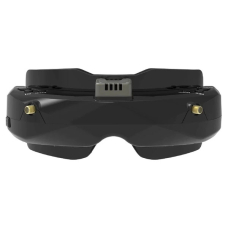

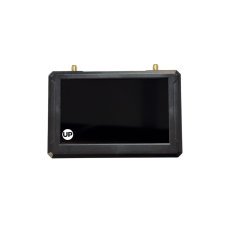


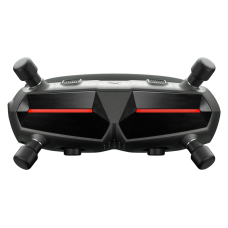
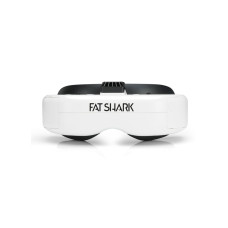
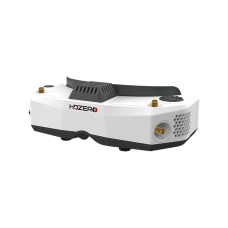
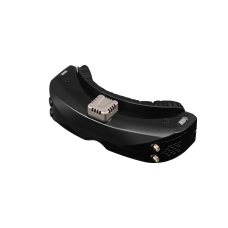

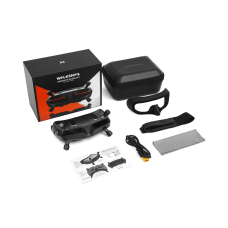

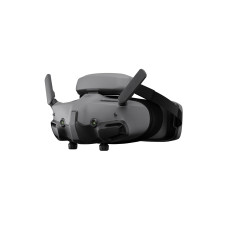
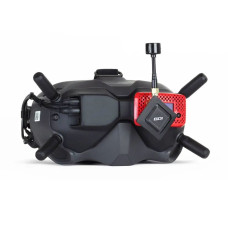
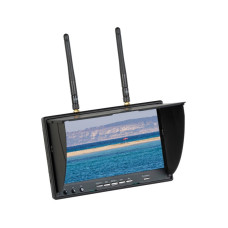
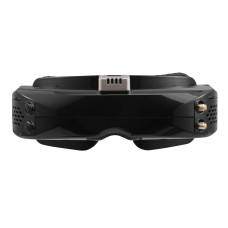
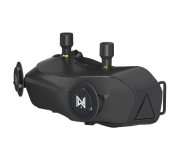
What are FPV goggles?
FPV goggles transmit the image from the onboard camera directly to the operator's eyes. They may contain one or two displays, optics, a receiver, and a DVR. FPV drone goggles are part of the video system: in an analog setup, signal frequency and format matter, while in a digital system, compatibility between the goggles, camera, and video transmitter is key. When assembling the drone, FPV frames are also taken into account, as their design determines the space available for the camera, VTX, and antennas.
How do FPV drone goggles work?
The camera generates the video, the transmitter sends the signal to the receiver, and the image then appears on the displays. In an analog system, as the signal weakens, noise and interference gradually appear. In a digital system, the image stays clear longer, but artifacts, latency, or complete video loss are possible.
Fiber-optic drones transmit video to the ground module via cable. Connecting the goggles depends on the module's video output and the specific model's inputs.
What are FPV drone goggles used for?
FPV goggles are needed when the operator controls the drone using a first-person view and needs to constantly see the direction of flight. This is convenient during fast maneuvering, training, and flights where attention is focused on the video feed.
With agricultural drones, the operator also needs a map, route, and telemetry, so the main interface is more often the remote controller's display or a tablet.
Specifications of FPV drone goggles
- Resolution — affects image detail, but is limited by the camera and video link.
- Field of view — determines the visible size of the frame. An excessively wide screen can be more difficult to take in at a glance.
- IPD and optics — interpupillary distance adjustment helps align the image with eye position. Diopter adjustment is not available on all models.
- DVR — records the received video to a memory card. Recording quality may differ from the image quality on the display.
If FPV initiators are installed on the drone, their power supply and wiring are routed to avoid unnecessary interference in the analog video path.
Types of FPV drone goggles
Box-style FPV goggles have a single display and a magnifying lens. They are larger but are often more affordable. Binocular models use a separate display for each eye and have a more compact housing. Check the IPD range and focusing in the specifications.
In some UAS, video is displayed on a ground station. You can connect goggles as an additional screen if the station and goggles have compatible interfaces.
Recommendations for choosing FPV drone goggles
For an analog system, consider the frequency range, receiver, diversity, and antenna connectors. With a digital system, first check compatibility between the camera, transmitter, and goggles, then consider latency, resolution, field of view, and optics.
FPV drone goggles should not put excessive pressure on your face or let light in through the edges of the mask. Weight, balance, and straps affect comfort. If the operator carries the controller, batteries, and drone detectors as part of the same kit, overall equipment weight also matters.
Where to buy FPV drone goggles?
The main risk is ordering goggles that are incompatible with the drone's video system. Before purchasing from Flash Army, check the system type, video transmitter model, interfaces, and power supply. Also check the package contents: not every kit includes a receiver, antennas, cables, and corrective lenses.
- Brand: FPV Goggles BDI FPV Goggles BetaFPV FPV Goggles CADDXFPV FPV Goggles DJI FPV Goggles Eachine FPV Goggles Fat Shark FPV Goggles FLYWOO FPV Goggles Foxeer FPV Goggles Hawkeye FPV Goggles Skyzone FPV Goggles Walksnail Chinese FPV Goggles
- Field of view: FPV Goggles with up to 35° FOV FPV Goggles with 36–45° Field of View FPV Goggles with 46–55° Field of View FPV Goggles with FOV over 55°
- Resolution: FPV Goggles 480×272 FPV Goggles 640×400 FPV Goggles 800×480 FPV Goggles 900×600 FPV Goggles 1024×600 FPV Goggles 1024×768 (XGA) FPV Goggles 1280×720 (HD) FPV Goggles 1280×960 FPV Goggles 1440×810 FPV Goggles 1920×1080 (Full HD)
- Compatibility: FPV Goggles for DJI Drones
- Signal type: Analog FPV Goggles Analog FPV Goggles with HDMI-IN FPV Goggles without HDMI Digital FPV HD Goggles
- Quality: FPV Goggles 240p FPV Goggles 480p FPV Goggles 576p FPV Goggles 720p FPV Goggles 768p FPV Goggles 960p FPV Goggles 1080p