Catalog
0
0

Camping & Hiking Tents
Sort By:
Camping & Hiking Tents
What are tents and why are they needed?

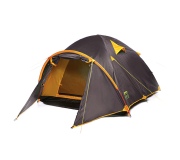
A camping tent is the foundation of any camping trip – it helps you rest after a long trek, shelter from rain or wind, and simply creates a cozy corner in nature. A camping tent combines a sturdy frame, convenient poles, and a waterproof flysheet. Ultralight models can be set up in seconds, while double-layer tents ensure dryness even in the rain. For additional protection against insects, we recommend checking out insecticide lamps.

Types of tents and their characteristics

To choose a tent, you need to decide what you plan to use it for. 

  • Camping tents for three or four people are suitable for family hikes or beach holidays. 
  • A compact and ultralight camping tent easily fits into a backpack and is suitable for one or two people. 

There are also varieties depending on weight, number of people, presence of an additional flysheet, and mosquito net. Tourist models perfectly withstand long hikes and expeditions, helping you rest after a long trek. 

For complete comfort during camping, you can add sleeping bags and cots to make sleeping outdoors even more comfortable.

Tent materials and constructions

A camping tent has a frame, usually made of lightweight aluminum or fiberglass poles, and flysheets made of durable polyester or nylon. Double-layer tents combine a waterproof outer layer and breathable inner fabric to keep the tent dry and comfortable. The compactness and light weight of such designs allow you to carry the tent even on long treks, and thoughtful ventilation and mosquito netting make your rest pleasant in any weather. And to warm up in the morning and cook food outdoors, we recommend checking out the section with portable gas burners – an indispensable item in field conditions.

How to choose a tent?

When choosing a tent, pay attention to the number of people, weight, and season of use. For summer hikes, ultralight models with good ventilation are suitable. For hikes in difficult conditions, waterproofing, a sturdy frame, and sufficient storage space are important. A double-layer flysheet and mosquito net will make your outdoor stay more comfortable and safe.

Where to buy a tent?

The website presents camping tents for all conditions. All models are field-tested and ready for active recreation. To make your rest even more comfortable and warmer, pay attention to thermoses so that warm drinks keep you warm outdoors longer.

Expand

Frequently asked questions about products in this category Camping & Hiking Tents

A tent is a portable shelter for overnight stays, rest, or storing belongings outdoors. It is set up for hiking, camping, fishing, at a dacha, near a car, or in field conditions. A good tent not only protects from wind and rain but also provides a dry place for sleeping, gear, and proper rest after travel.
It is best to pitch a tent on a flat surface free of sharp stones, roots, and pits. First, lay out the groundsheet, assemble the poles or frame, stretch the flysheet, and secure it with pegs so that the fabric does not sag. It is advisable to orient the entrance so that the wind does not blow directly inside. If the ground is wet or rocky, an additional protective layer should be placed under the groundsheet.
Tents come in various types: tourist, camping, trekking, automatic, winter, fishing, military, single-person, two-person, three-person, and family. Tourist models are lighter and better suited for backpacking routes. Camping tents are more spacious but heavier. Automatic tents deploy quickly, making them convenient for short trips, while winter tents feature a stronger frame and better withstand harsh weather.
For hiking, important factors are weight, packed size, tent waterproofness, ventilation, and capacity. If you have to carry the tent yourself, extra kilograms quickly become annoying. For car camping, you can take a larger model with a vestibule, higher ceiling, and space for gear. You should also consider seasonality: a summer tent and a cold-weather model are different things.
Military personnel use tents for overnight stays, equipment storage, field living, medical, headquarters, or utility tasks. They often differ from tourist tents in their stronger fabric, less conspicuous colors, simpler shape, and better durability for frequent setup. In field conditions, it is important that a tent can be set up quickly, does not reflect light, withstands wind well, and does not fall apart after a few deployments.
Tents are most often made of polyester, nylon, Oxford fabric, cotton blends, or materials with a water-repellent coating. Poles are made of fiberglass, aluminum, or steel. Polyester holds its shape better after getting wet, nylon is lighter, and denser fabrics are better suited for camping and field use. For the floor, not only the fabric but also its density, seam sealing, and moisture protection are important.
A winter tent must withstand wind, snow, and lower temperatures better. This requires a stronger frame, a reliable flysheet, proper ventilation, and fewer unnecessary mesh inserts through which heat quickly escapes. Ventilation is still necessary, as condensation will accumulate inside without it. If the tent is pitched on snow or frozen ground, stakes and guy lines must be secured more reliably than in a summer camp.
After an outing, the tent must be dried, even if it seems almost dry. Moisture in folded fabric quickly causes odors, stains, and coating damage. Dirt is best removed with a soft sponge without aggressive chemicals. Poles, stakes, and zippers should also be checked after each outing, as a broken small part is often discovered only when the tent needs to be pitched in the evening.
The price of tents in Ukraine starts from UAH 1,450, if we are talking about a full-fledged tourist tent, and not separate frame sections or accessories. Further, the cost depends on the number of berths, tent material, water resistance, frame, weight, vestibule, seasonality, and brand. A two-person summer tent, a large camping option, and a winter or carp model are different in design, so the lowest price here only shows the starting level.
At Flash Army, along with tents, you'll find sleeping pads, sleeping bags, flashlights, and other overnight gear, so you can get a basic kit without searching elsewhere. For hiking, it's better to consider weight and packed size; for camping, focus on space, height, and vestibule; and for service or frequent field use, look at fabric, color, frame, and setup speed. This makes it easier to get not just a tent, but proper shelter for specific conditions.