
Heat Guns
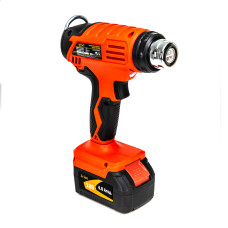
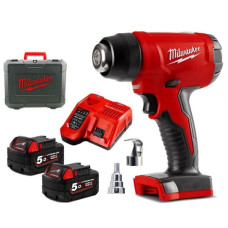
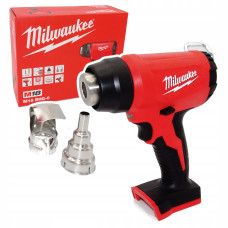

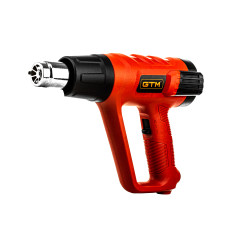
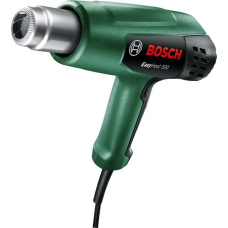
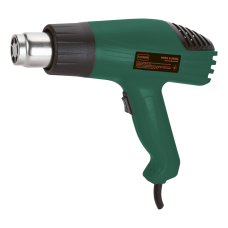
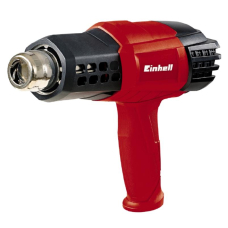
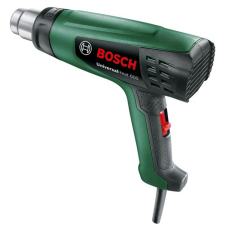
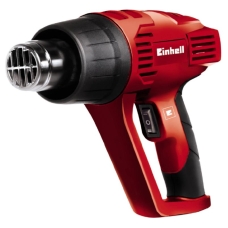
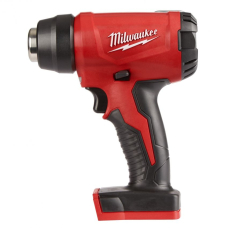
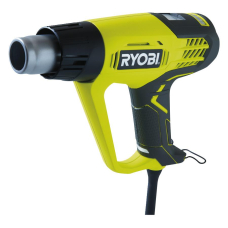
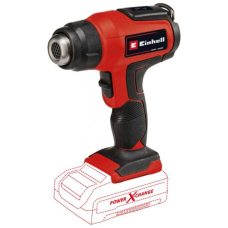
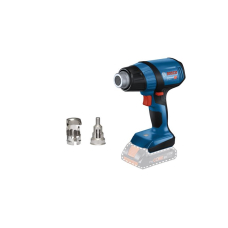
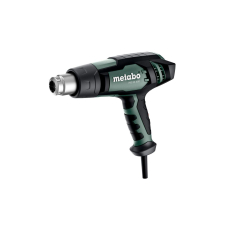
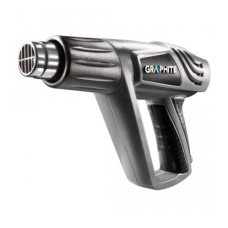
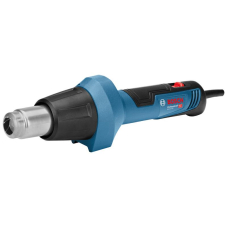
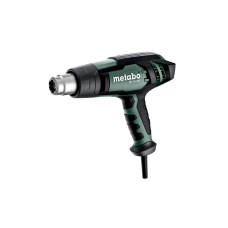
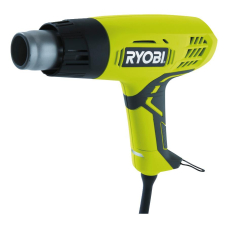
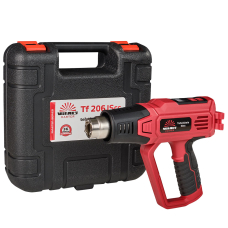
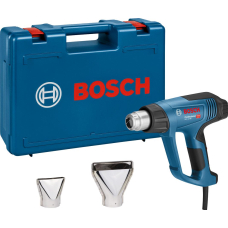
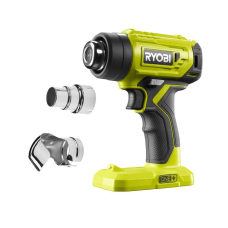
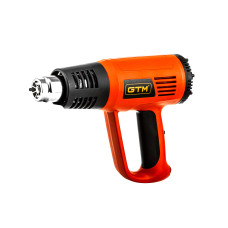
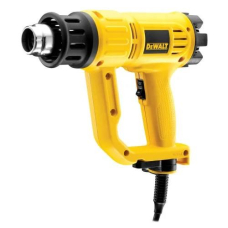
What is a heat gun?
A heat gun is a tool that delivers a stream of hot air for heating, drying, softening, or thermally processing materials. It looks similar to a regular hair dryer but operates at much higher temperatures. In repair work, a heat gun is used when it is necessary to remove old paint, heat plastic, dry a joint, or carefully shrink heat-shrink tubing.
What are heat guns used for?
Heat guns are used for paint removal, pipe thawing, adhesive drying, film heating, plastic welding, and insulation work. During tile renovation, some tasks are handled by tile cutters, while a heat gun is useful when a material needs to be heated or softened rather than cut.
What tasks does a heat gun perform?
An industrial heat gun helps remove paint and varnish coatings from old doors, heat adhesive layers, loosen stickers, prepare plastic parts for bending, and dry small areas after putty application. For larger rough construction tasks involving mortar and foundations, concrete mixers are used, but a heat gun is the right tool for localized heating.
Types of heat guns
There are basic models with several temperature settings, heat guns with variable temperature control, digital models with displays, and professional versions with memory functions for saved settings. For home renovation, a basic tool is often sufficient. For workshop use, it is better to choose a model with precise temperature and airflow adjustment.
Features and advantages of heat guns
When choosing an industrial heat gun, it is important to consider:
- Power output — typically 1600–2300 W;
- Temperature range — approximately 50–600°C;
- Airflow — around 250–500 L/min;
- Adjustment type — stepped or variable control;
- Nozzles — flat, reduction, reflector, and glass protection nozzles;
- Overheat protection — useful during extended operation;
- Cool-air function — helps cool a workpiece more quickly.
Recommendations for choosing heat guns
For paint removal and simple tasks, a heat gun with two or three operating modes is usually sufficient. For plastics, films, and delicate heating applications, it is better to choose a model with variable temperature control, as different materials react differently to heat. If a project involves preparing a surface before finishing work, plate compactors may also be part of the equipment list, but a heat gun is used at other stages — demolition, drying, heating, and localized thermal processing.
Where to buy a heat gun?
For a heat gun, the most important factor is not the maximum temperature itself but the ability to control heat accurately. Old paint can be removed using high settings, while plastic or heat-shrink materials can easily be damaged by overheating. Therefore, it is best to choose a heat gun based on power, temperature range, available nozzles, control type, and the ability to operate for extended periods without overheating. In the Flash Army product range, such tools can be selected according to specific repair scenarios, including coating removal, plastic work, material drying, or small-scale thermal processing.