Catalog
0
0

Energy Independence

Sort By:
In stock
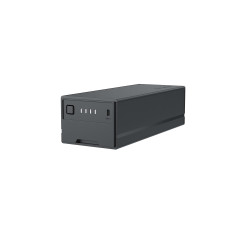
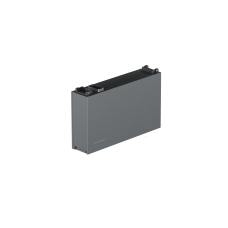
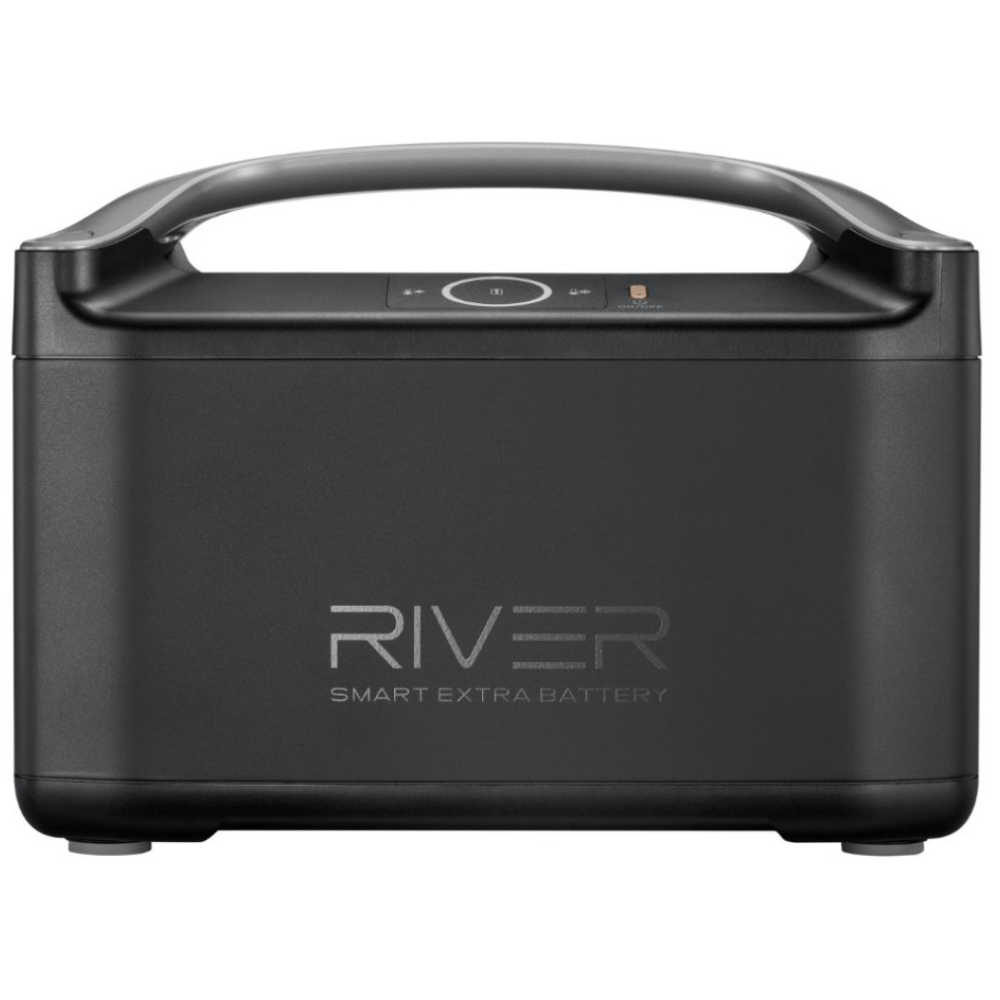
EcoFlow RIVER3 EB600 Extra Battery
1
17 999 UAH
Add to Cart
In stock
In stock
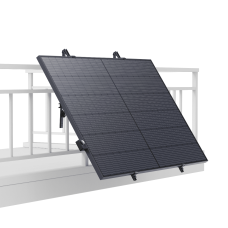
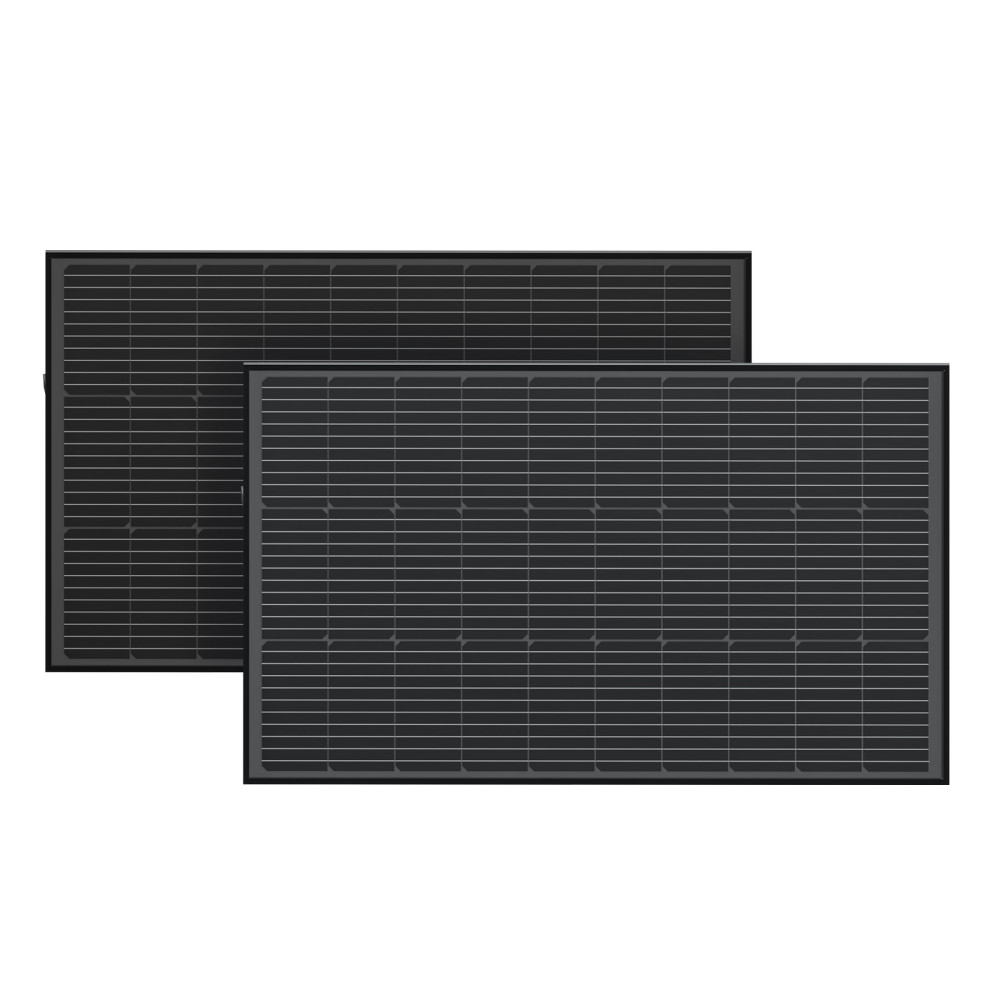
Solar Panel Rosen Solar Mono Cells
1
4 600 UAH
Add to Cart
In stock
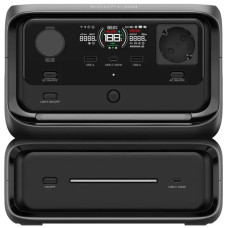
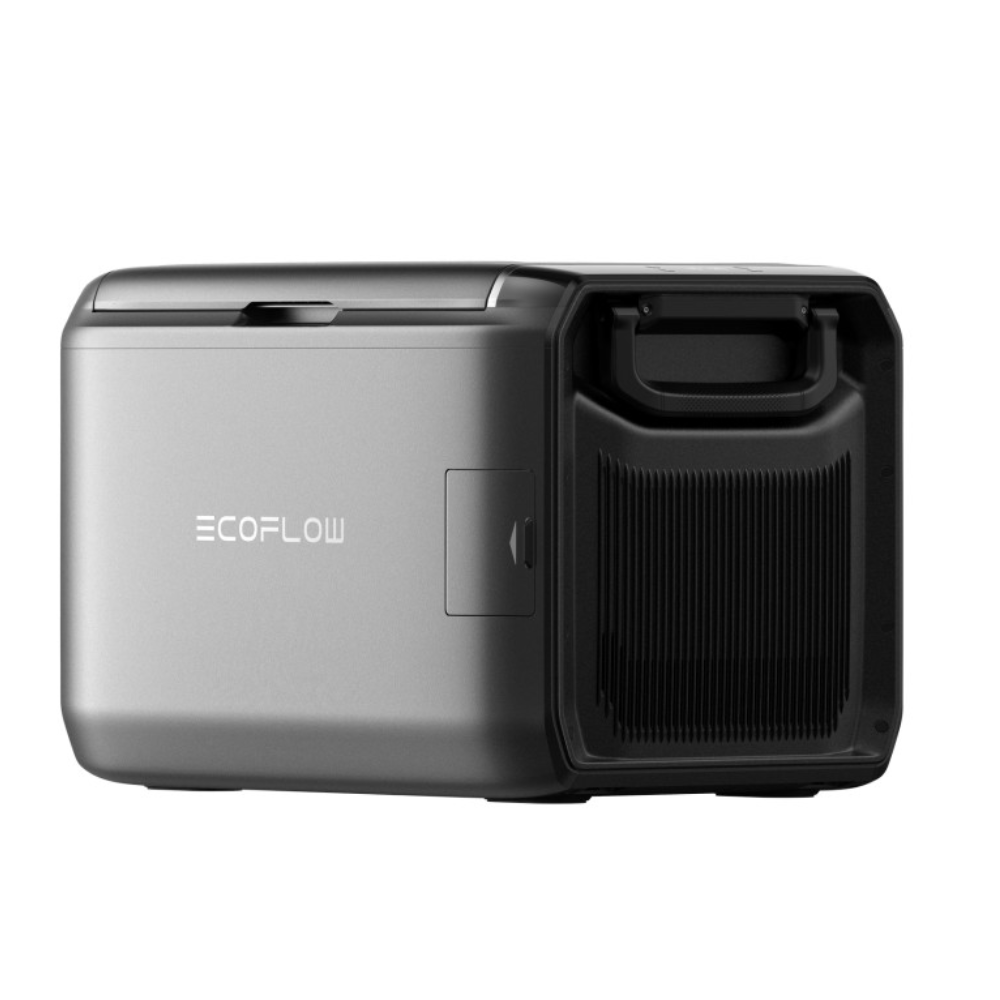
EcoFlow TRAIL 200 DC Charging Station
1
7 812 UAH
Add to Cart
In stock
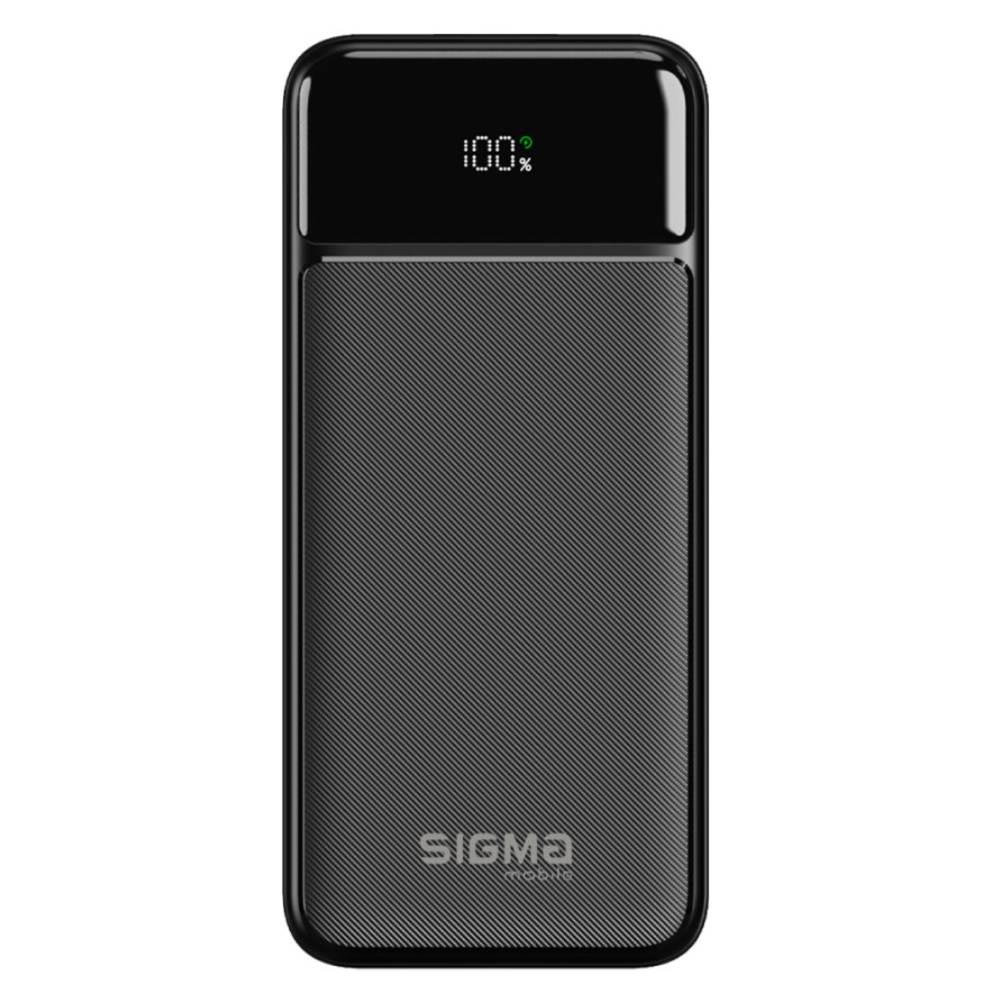
Power Bank RANGER 100/4
2
6 490 UAH
Add to Cart
In stock
In stock
Power Bank APACHE-266
1
5 968 UAH
Add to Cart
In stock
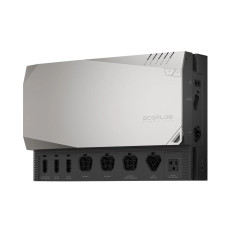
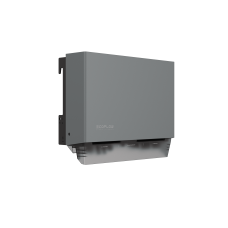
EcoFlow PowerInsight Smart Home System
1
16 999 UAH
Add to Cart
In stock
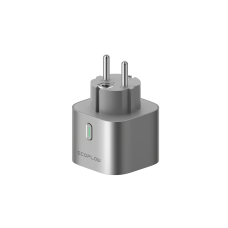
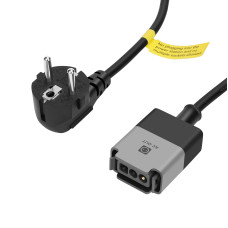
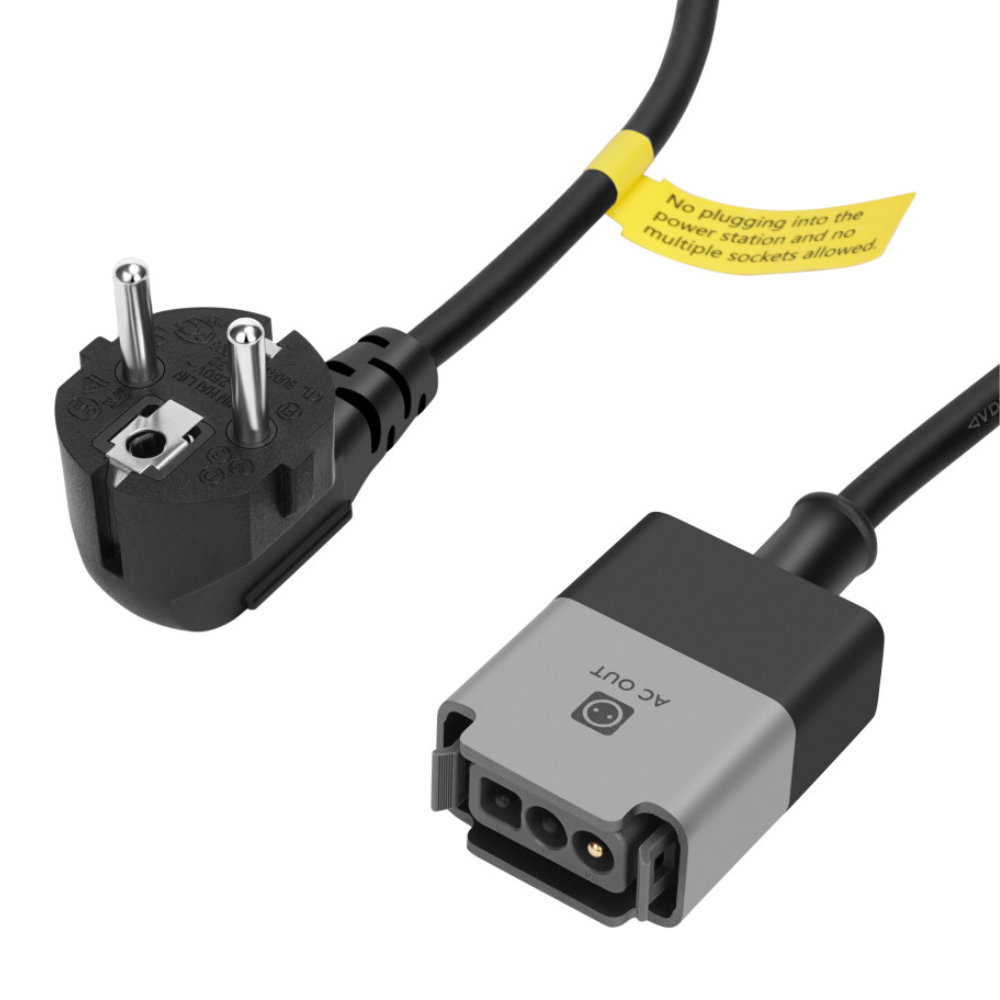
EcoFlow Smart Plug
1
1 632 UAH
Add to Cart
In stock
EcoFlow RAPID Magnetic Power Bank 5000
1
4 081 UAH
Add to Cart
Energy Independence

What are uninterruptible power supplies?

Power supplies are the basis of energy autonomy. They provide electricity where there is no grid, or act as a backup power source in case of outages. For military personnel, civilians, or in the field, such systems make it possible to keep equipment, communication devices, or lighting running.

Main components of an autonomous power system

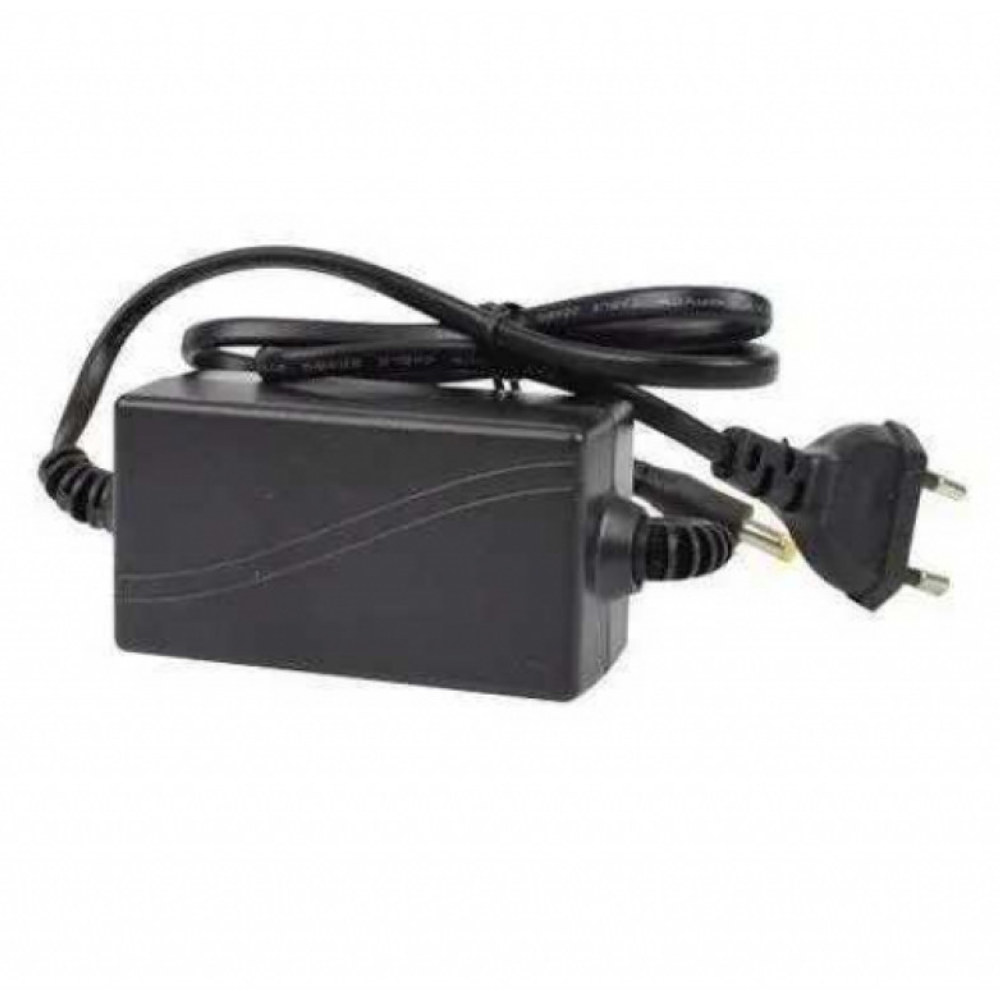
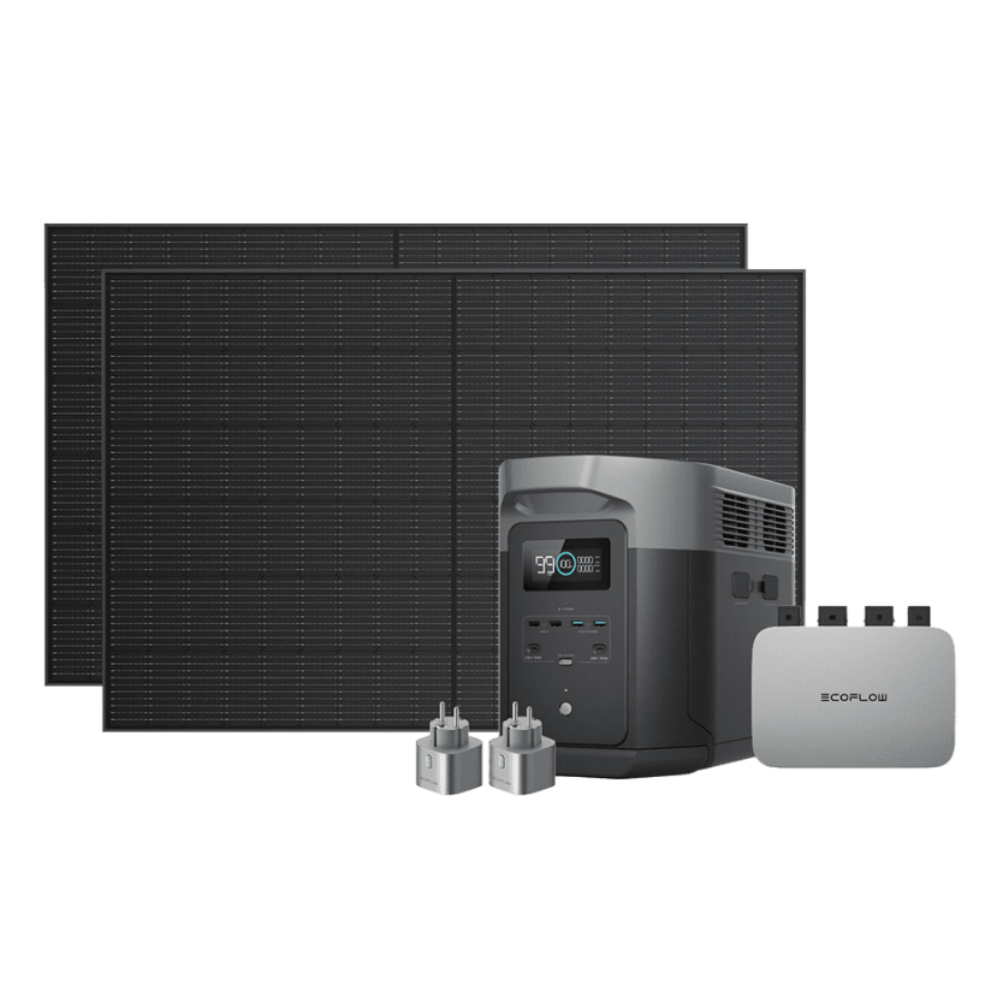
Any autonomous power systems consist of several key elements. These are batteries that store energy, inverters that convert voltage for convenient use, and solar panels or generators that recharge the system. Additionally, charge controllers and various adapters for connecting equipment can be used.

Application of uninterruptible power supplies

Autonomous power systems find application everywhere: in military equipment, field headquarters, during the deployment of mobile medical posts, or training. In civilian use, this is a backup for the home, dacha, camping, and outdoor trips. A backup power source allows you to stay connected, charge gadgets, and keep critical equipment running even without centralized electricity.

How to choose power supplies?

The choice depends on several criteria.

  • Type of equipment and consumption: compact portable stations are suitable for laptops and communications, while stationary solutions are better for energy-intensive equipment.
  • Operating conditions: mobility and resistance to weather factors are important in the field.
  • Format: portable for mobility, stationary for home or base, mobile as universal options.
  • Power and capacity: determine how long the system will operate autonomously.
  • Power type: solar panel, generator, or combined options.

Where to buy power supplies?

You can find reliable autonomous power at the Flash Army store. A wide selection is presented here: from compact charging solutions to powerful portable power stations. All models come with a quality guarantee, an adequate manufacturer's price, and fast delivery across Ukraine. By choosing Flash Army, you get a stable backup power source in any situation.

Expand

Frequently asked questions about products in this category Energy Independence

Energy independence is the ability to keep essential equipment running even when the grid goes down or provides unstable voltage. For an apartment, this usually means communication, lighting, and a laptop; in a private house, a refrigerator, a pump, or a boiler are often added. The system can be small (with a UPS for a router) or more complex: with batteries, an inverter, solar panels, or a generator.
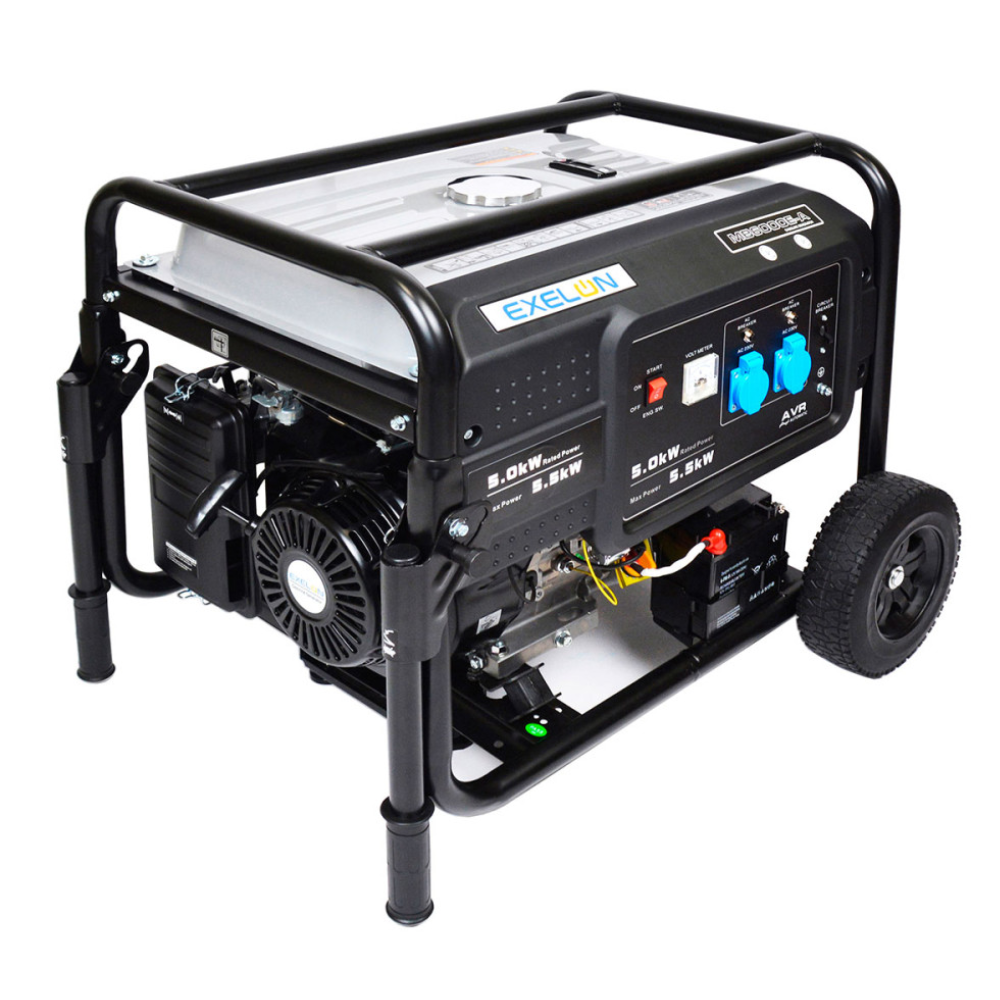
Energy is generated by solar panels and generators. Panels produce electricity from light and charge batteries through the necessary equipment, so their operation is affected not only by power, but also by weather, season, installation angle, and area. A generator runs on fuel and is not dependent on the sun, but requires a fuel supply, maintenance, and a location outside of living quarters with proper ventilation.
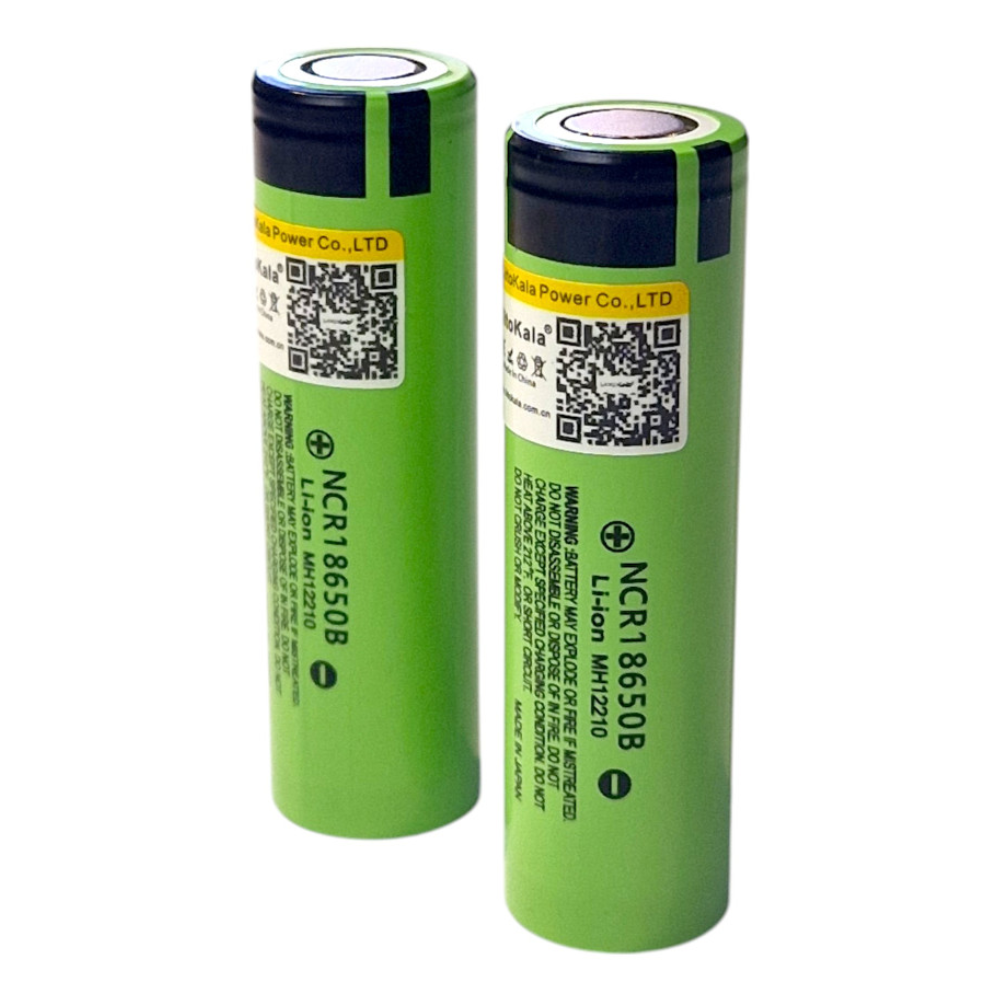
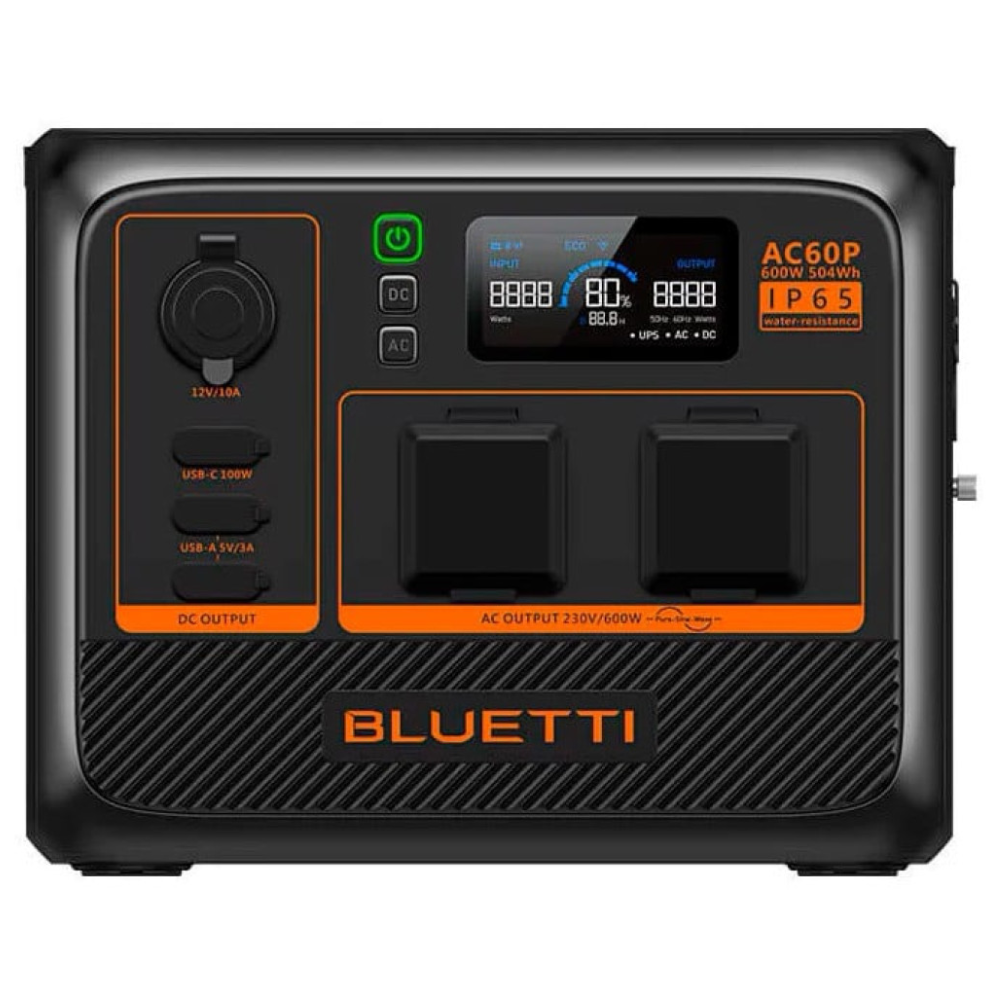
Energy is stored in rechargeable batteries, additional modules for power stations, and stationary storage units. A portable power station already includes a battery, inverter, and connectors, so for basic tasks, it does not need to be assembled from separate parts. Capacity in Wh or kWh indicates the energy reserve: a router can run on it all night, while an electric kettle will deplete the same reserve much faster.
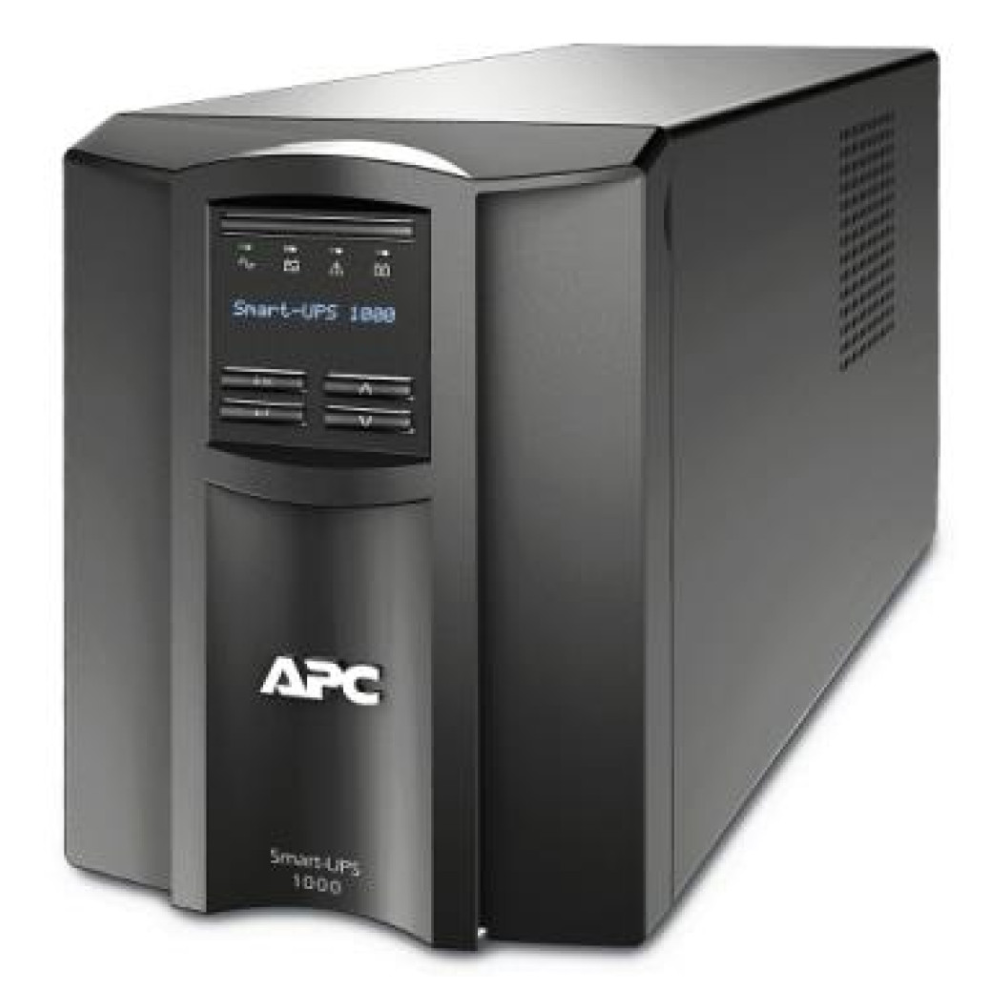
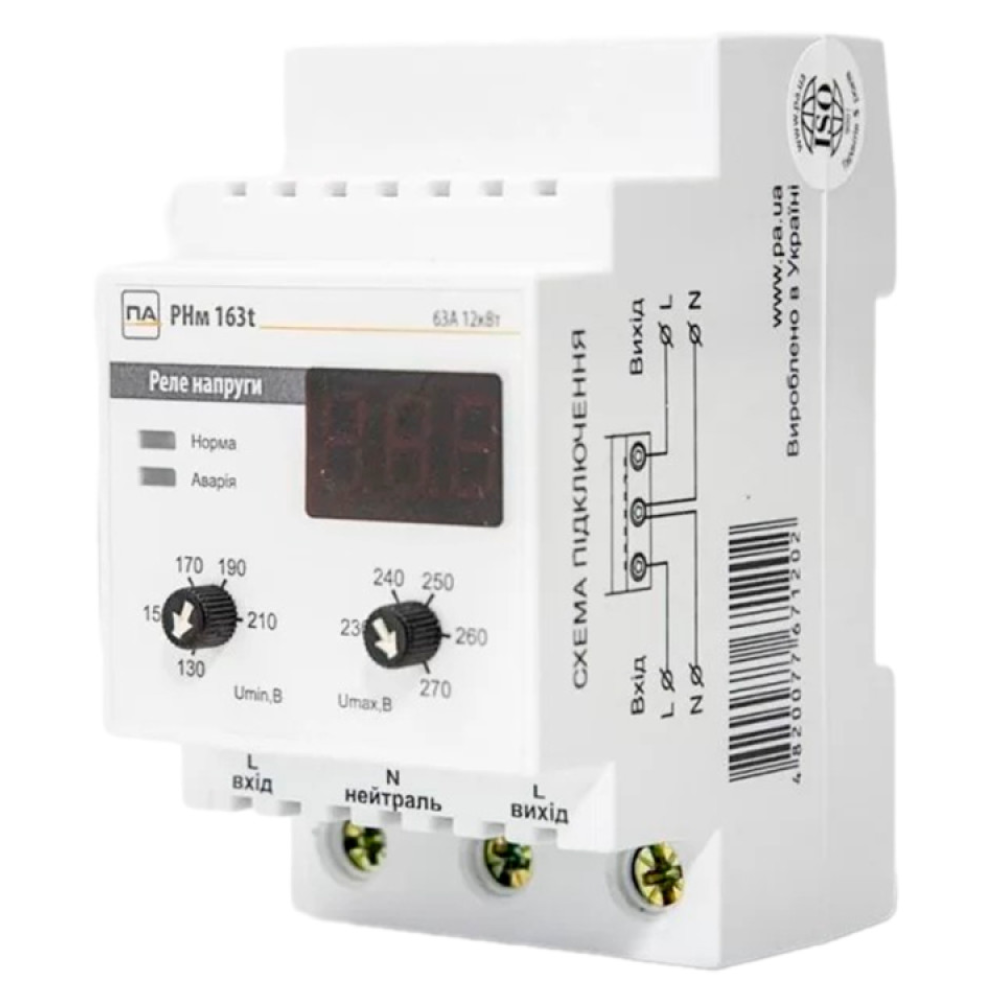
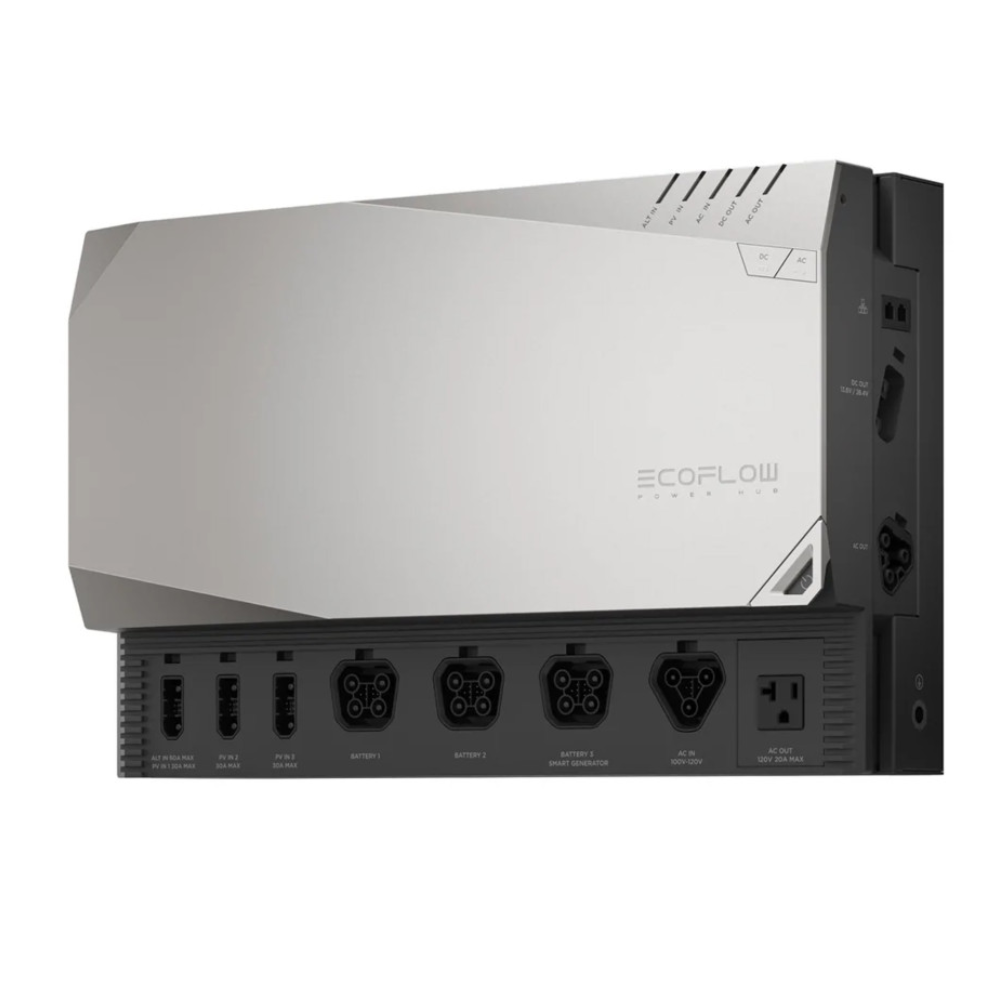
Inverters, UPS units, power supplies, automatic transfer switches, and distribution equipment are used for power distribution. An inverter converts battery power to 230V for home appliances, while a UPS maintains continuous power for a router, computer, or POS system during a brief outage. In a building, automatic transfer switches switch the line to backup power to avoid manually turning on each appliance.
Power independence systems are used in apartments, houses, offices, shops, workshops, cars, and in the field. An apartment kit often covers a router, phone charging, and a few lamps; in a house, it's important not to leave the pump, refrigerator, or boiler without power. For field trips, compactness, a durable casing, and the ability to charge from a car or solar panel are valuable.
Portable power independence is provided by power banks, charging stations, foldable solar panels, car inverters, and small generators. A power bank is needed for a phone, flashlight, or navigator, while a charging station can handle a router, laptop, chargers, and some household appliances within its power capacity. A foldable panel is useful far from an outlet, but in cloudy weather, it will charge the battery noticeably slower.
The advantage of an off-grid power system is the ability to maintain communication, light, and the operation of critical equipment without constant reliance on the grid. It can be expanded: start with a battery and an inverter, and later add panels or another battery. The disadvantages are also significant: the equipment requires a budget and calculations, the battery is not limitless, panels depend on the sun, and a generator depends on fuel, noise, and maintenance.
Devices for energy independence in Ukraine are priced from 200 UAH: simple rechargeable batteries start at this level. A power bank is priced at 800 UAH, a portable power station at 7,000 UAH, and an inverter and solar panel at 4,000 UAH. The larger the reserve for an apartment, house, or workshop, the more it is influenced by battery capacity, power, the number of outputs, connection type, and the overall system composition.
The basic reserve for an apartment is determined by the load, not by the number of outlets: a single router needs a UPS, while a refrigerator already requires a power station or an inverter with a battery. The energy independence section at Flash Army features power banks, batteries, UPS units, inverters, solar panels, generators, and ready-made kits, making it easier to assemble a system for specific equipment rather than gathering gear at random.