Catalog
0
0

Plate Carriers for Military Personnel
There are no products to list in this category.

Continue
Plate Carriers for Military Personnel
What is a plate carrier?

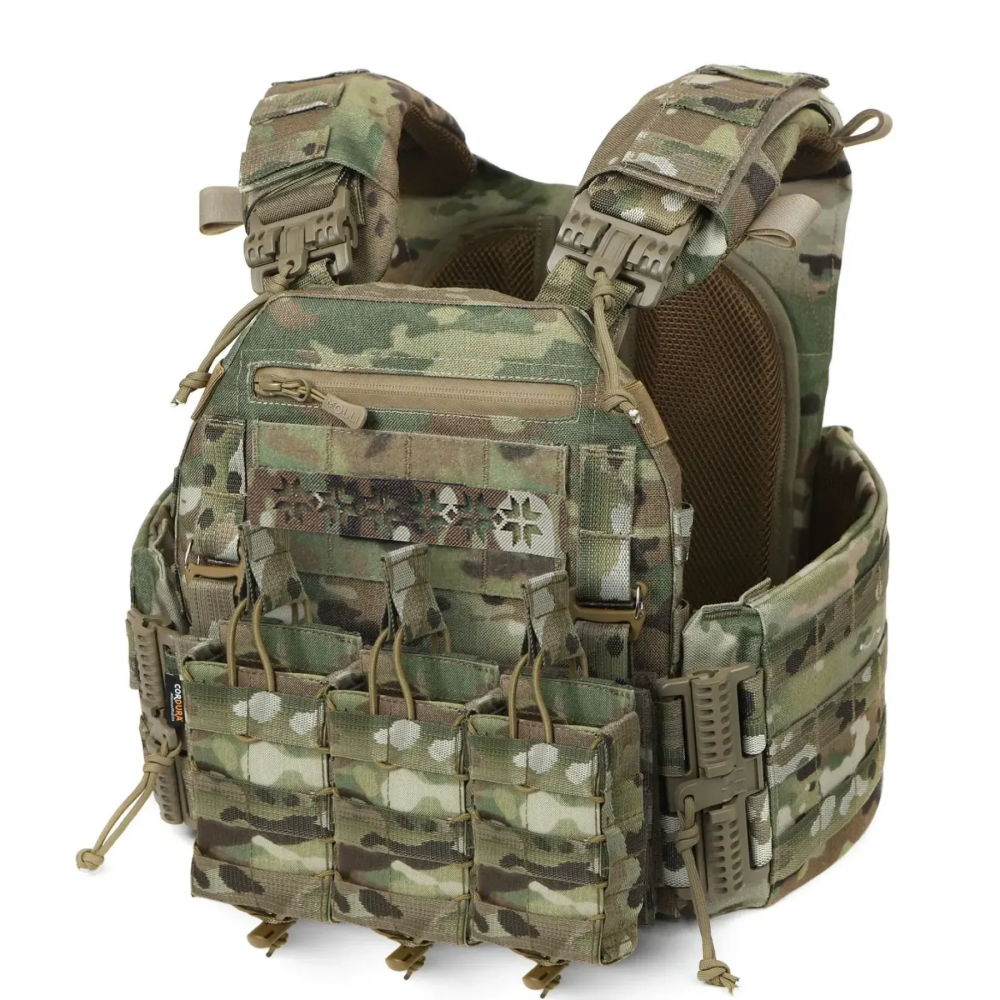
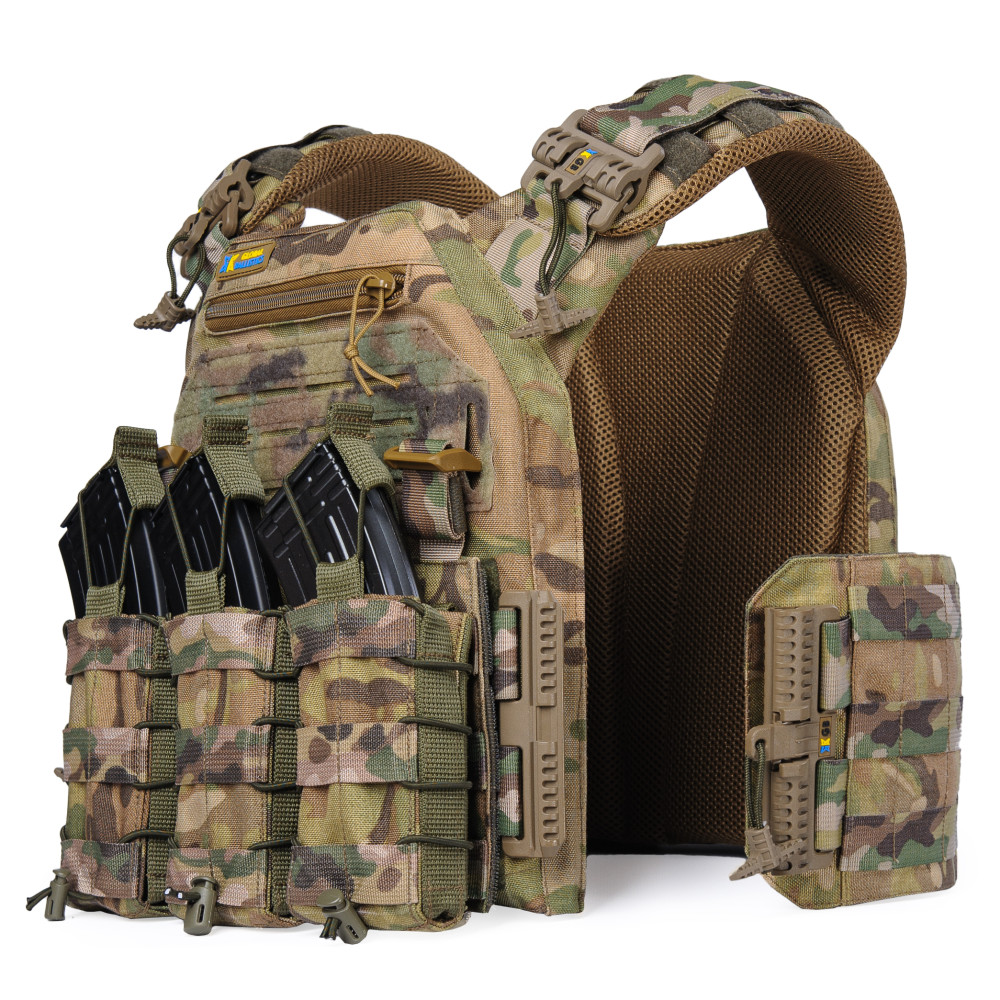
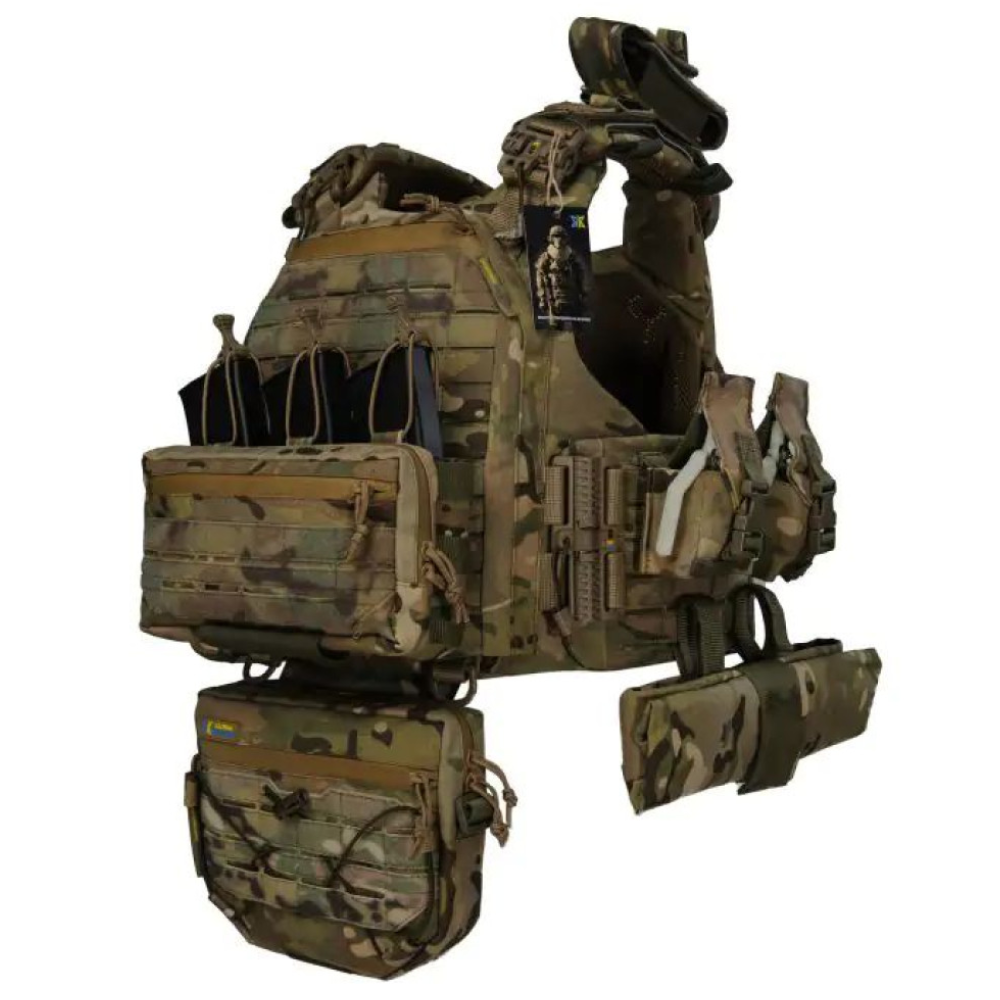
A plate carrier is a key element of modern equipment that provides reliable protection for a soldier on the front line. Its design accommodates armor plates that protect against bullets and shrapnel, and also allows for organizing additional gear. Today, a military plate carrier is not just armor, but a versatile system for convenience and survival in combat.

Purpose of plate carriers

The main goal is to keep armor plates at the level of vital organs while ensuring mobility. Tactical plate carriers allow for attaching magazines, a first-aid kit, grenades, or other equipment elements. Thanks to adjustable straps and a thoughtful design, a plate carrier is suitable for prolonged wear and active operations during an assault.

Types of plate carriers

  • Lightweight – for maximum mobility;
  • Traditional – versatile solutions with basic protection;
  • Concealable plate carrier for body armor – for covert wear;
  • Modular – with the ability to flexibly add pouches and accessories.

How to choose a plate carrier?

The choice of a plate carrier for the Armed Forces of Ukraine depends on service conditions and tasks. Pay attention to:

  • material (Kevlar, durable nylon, seam quality);
  • style and ease of adjustment;
  • configuration – presence of quick release and pouches;
  • color or camouflage for concealment;
  • ballistic level and compatibility with plates.

Before ordering a plate carrier, it is important to assess the balance between comfort and the degree of protection. When choosing equipment, people often choose between a plate carrier and body armor.

Where to buy plate carriers?

You can buy plate carriers on the Flash Army website directly from the manufacturer. The website offers a wide selection of plate carrier models in stock. You can purchase a plate carrier at a fair price – plate carrier prices are formed without intermediaries. Fast delivery across Ukraine ensures that the equipment reaches the soldier on time.

Expand

Frequently asked questions about products in this category Plate Carriers for Military Personnel
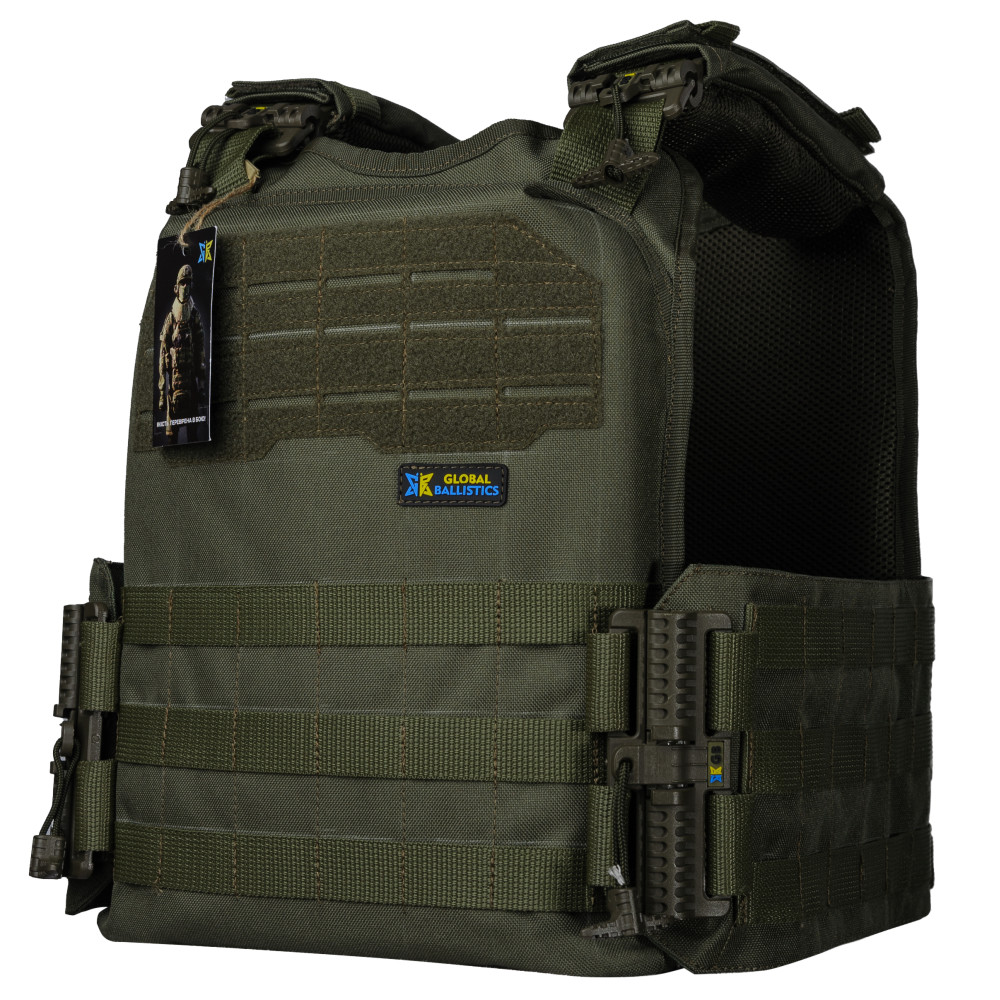
A plate carrier is a system for securing armor plates to the body. It features front and rear pockets for standard-format plates (most often SAPI or similar sizes) and is adjustable to the wearer's figure via shoulder straps and cummerbund. The plates themselves provide protection, while the plate carrier is responsible for their position and stability. Additionally, it has an interface for gear – typically MOLLE, to which pouches are attached.
A plate carrier is designed to hold armor plates and simultaneously carry essential gear on the body. It allows you to assemble a kit tailored to the task: a minimalist option with plates and a tourniquet, or a full setup with magazines, a first-aid kit, and a two-way radio. Due to its open design, it is lighter than body armor and does not cover unnecessary areas not protected by plates.
The difference lies in design and protection area. A plate carrier only works with plates and covers vital areas — chest and back. Body armor additionally features soft ballistic panels that cover a larger area of the torso, including the sides. A plate carrier is lighter, better ventilated, and offers more freedom of movement. Body armor is heavier but provides more continuous coverage. The choice depends on what is more important — mobility or protection area.
The weight consists of three parts: the frame itself, plates, and attached gear. A plate carrier usually weighs 1–2 kg. A single Class 4–5 armor plate is approximately 2.5–4 kg, depending on the material. Two plates add 5–8 kg. In total, a basic set comes out to about 6–10 kg. If magazines, water, and additional modules are added, the weight quickly increases.
Basically, this is the front and back — where the main plates are located. If the design includes side pockets or a cummerbund with plate compartments, side protection is added. Some models allow for the installation of additional elements — shoulder, groin, or neck modules, but this depends on the specific system and configuration.
In most cases, no. A plate carrier is sold as a base without pouches so that it can be assembled for a specific task. The system itself has MOLLE or other attachments where various types of pouches are installed: for magazines, a first-aid kit, a two-way radio, grenades. Some models may have built-in magazine pockets, but this is not standard for all.
The most common options are olive, coyote, black, and camouflage patterns. These are basic tactical colors chosen to match the environment and uniform. The specific set depends on the manufacturer and model, but these options are encountered most frequently.
Plate carriers are made from durable synthetic fabrics, most often Cordura or similar high-density nylon materials. They withstand the weight of plates, friction, and constant load. Important elements also include the quality of seams, hardware, hook-and-loop fasteners, and straps. Inside, there may be damping inserts or mesh for ventilation.
If you look at Flash Army, basic plate carriers start at approximately UAH 2,000–3,000. Models with better fit, materials, and construction are in the UAH 4,000–8,000 range. Options with reinforced elements, quick release, or additional modules cost more.
You can choose and order a plate carrier on the Flash Army website. Before choosing, consider the plate format, size, cummerbund type, and how the system will be assembled, as a minimal configuration and a full kit with pouches are different options in terms of weight and convenience.