

Military Omnidirectional Antennas
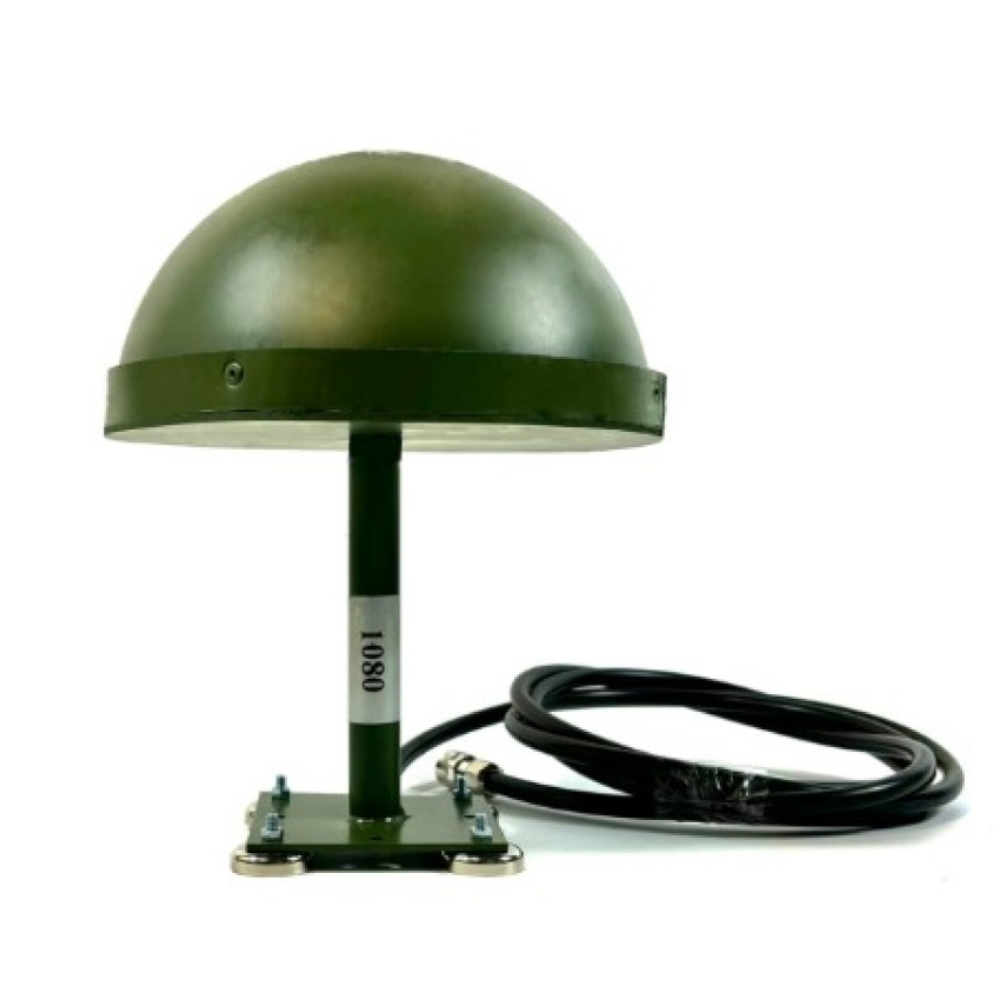
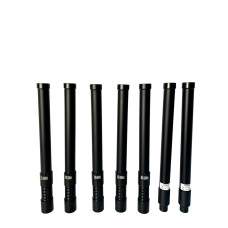
(1)-228x228.jpg "Antenna Helical 3.3 GHz 16.3 dBi 18 turns")
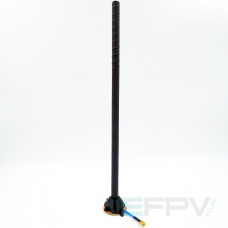
-228x228.jpg "Antenna Helical LHCP 17.8 dBi 22 turns 4.9-6.1 GHz")
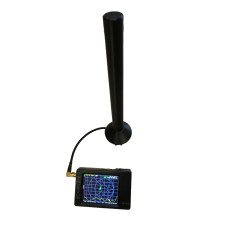
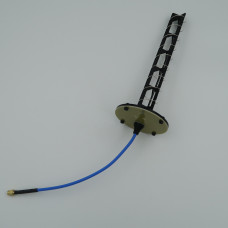
-228x228.jpg "Antenna Helical 3.3 GHz 12dBi")
-228x228.jpg "Helical Antenna RHCP 17.8 dBi 22 Turns 4.9-6.1 GHz")
-228x228.jpg "Helical Antenna RHCP 16.3 dBi 18 Turns 4.9-6.1 GHz")
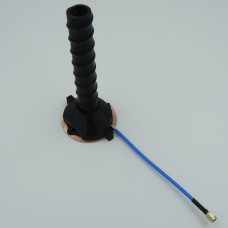
-228x228.jpg "Helical RHCP Antenna 17.8 dBi 22 Turns 4.9-6.1 GHz (30 cm)")
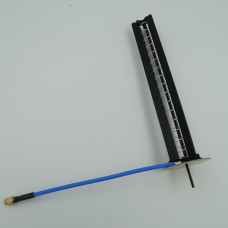
-228x228.jpg "Antenna Helical LHCP 16.3 dBi 18 turns 4.9-6.1 GHz")
-228x228.jpg "Antenna Helical RP-LHCP 16.3 dBi 18 turns 4.9-6.1 GHz")
-228x228.jpg "Helical Antenna RP-LHCP 17.8 dBi 22 Turns 4.9-6.1 GHz")
-228x228.jpg "Helical Antenna RHCP 16.3 dBi 18 Turns 4.9-6.1 GHz (30 cm)")
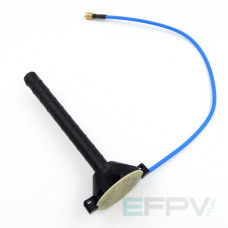
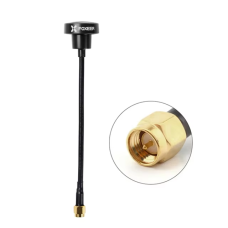
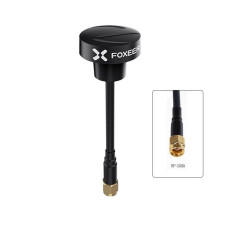
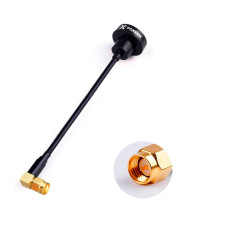
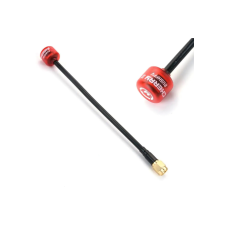
What are omnidirectional antennas?
An omnidirectional antenna is a type of emitter that transmits and receives signals uniformly in all directions. This feature makes it particularly useful in military environments where stable communication is required regardless of the transmitter or receiver's position. Thanks to their operation at various frequencies and a wide range of applications, omnidirectional antennas have become one of the most versatile solutions.
Purpose of omnidirectional antennas
The main task of an omnidirectional antenna is to ensure continuous communication on the battlefield or during tactical operations. It performs well where directionality is not critical, but signal reliability over various distances is required. Such antennas are equally effective for mobile stations, unmanned systems, and stationary transmitters.
Types of omnidirectional antennas (Clover, Helical, Pagoda)
- Clover – lightweight and compact, suitable for drones and portable systems.
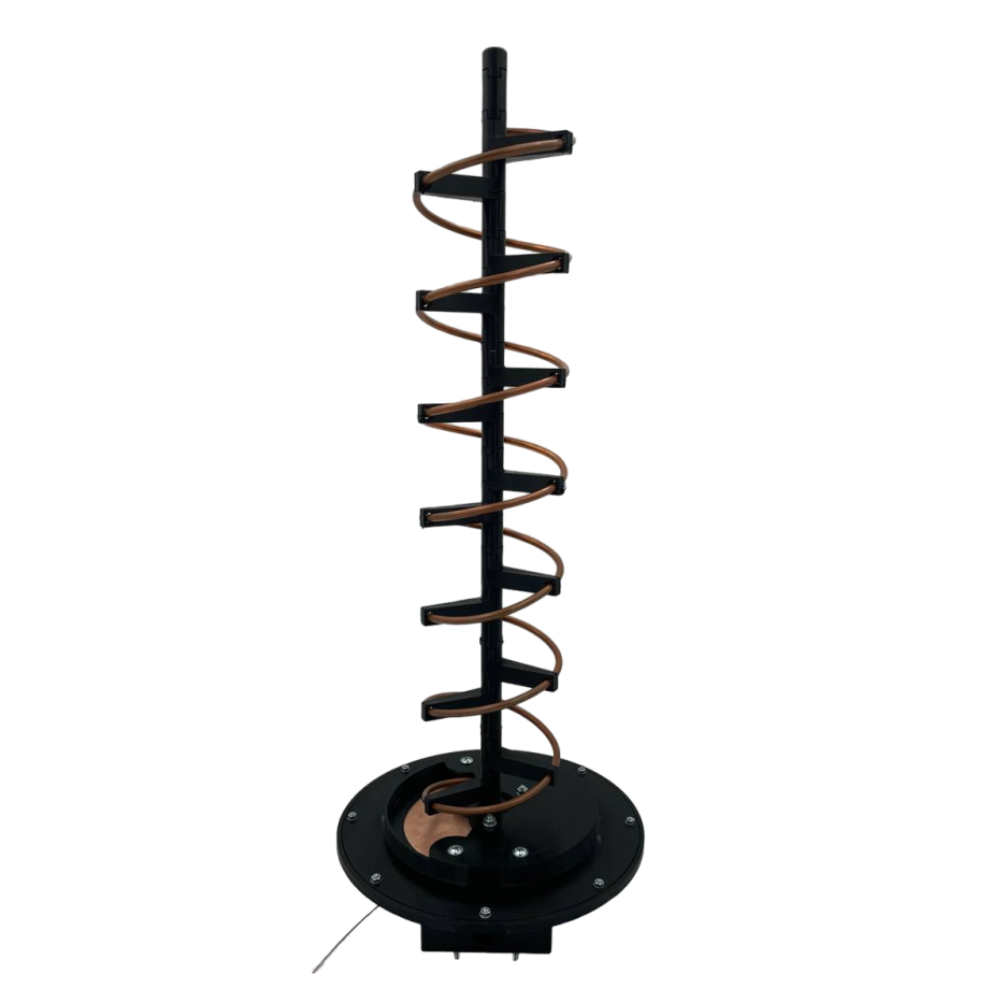
- Helical – provides greater range and gain while maintaining a stable signal.
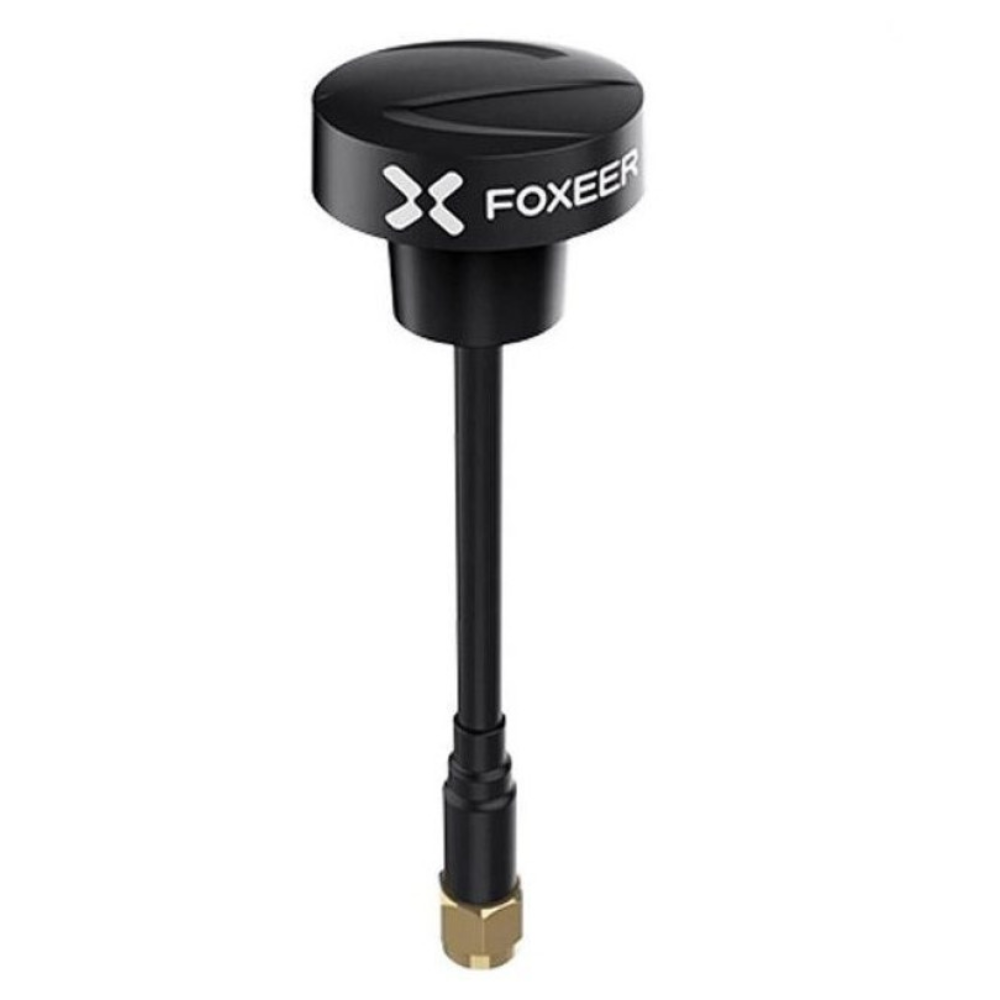
- Pagoda – a modern variant with an optimized design, resistant to interference and easy to use.
Characteristics of omnidirectional antennas
Key parameters are frequency and range, which determine communication quality. Power and gain, which affect the operating range, are also important. Thanks to circular polarization, the antenna minimizes signal loss and remains effective even in dynamic conditions. This makes it versatile in combination with various receivers and transmitters. How to choose omnidirectional antennas?
When choosing, consider:
- the required operating range;
- polarization type;
- usage conditions – mobile or stationary;
- compatibility with your equipment.
Where to buy omnidirectional antennas?
Reliable models of omnidirectional antennas can be found on the Flash Army website. Here you can order omnidirectional antennas with a quality guarantee, fast delivery across Ukraine, and expert support.