Catalog
0
0

FPV Bomber Drones for Military Use
Sort By:
In stock
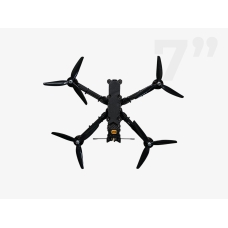
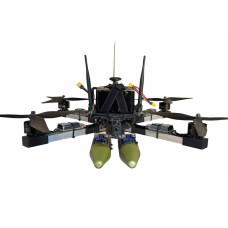
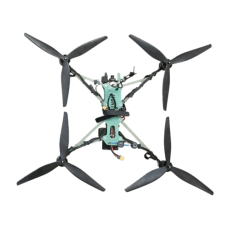
Bomber drone Hunter D-15 USMT
1
52 580 UAH
Add to Cart
In stock
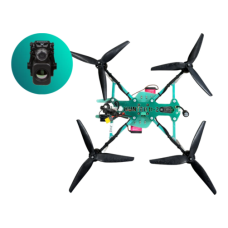
Bomber Drone Hunter D-2 THERMAL USMT
0
71 940 UAH
Add to Cart
In stock
Bomber drone USMT Hunter D-15
0
61 710 UAH
Add to Cart
In stock
Bomber drone Hunter D-2 USMT
0
31 856 UAH
Add to Cart
In stock
Bomber drone USMT Hunter D-2
0
41 470 UAH
Add to Cart
In stock
Bomber Drone D-2 Hunter USMT
0
46 970 UAH
Add to Cart
In stock
In stock
In stock
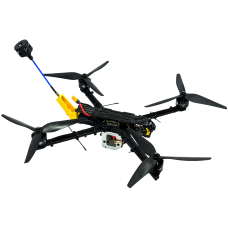
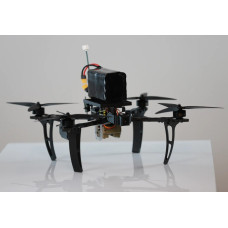
FPV Bomber Drone Freedom-106
1
24 900 UAH
Add to Cart
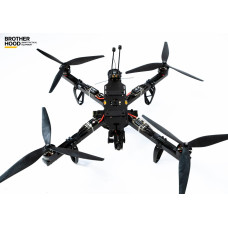
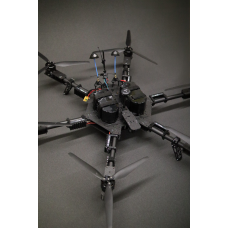
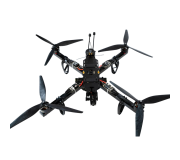
Quadcopter BROTHERHOOD "15 inch
0
57 950 UAH
Add to Cart
FPV Bomber Drone Freedom-146
0
61 500 UAH
Add to Cart
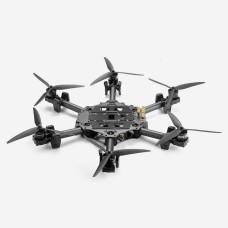
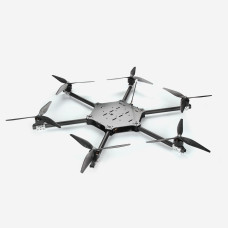
18" BOMBER HEXACOPTER "KRAB"
0
210 000 UAH
Add to Cart
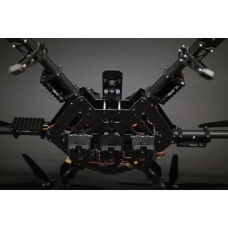
"KRAB" — 18" bomber hexacopter
0
210 000 UAH
Add to Cart
FPV Bomber Drones for Military Use
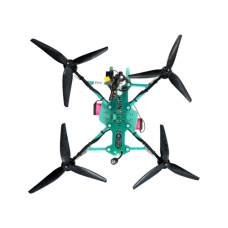
What are bomber drones?

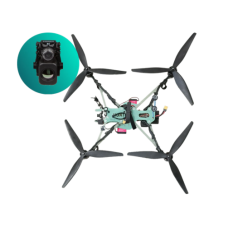
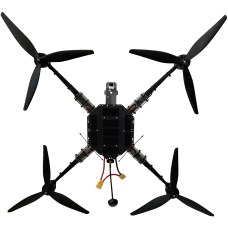
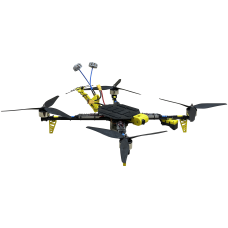
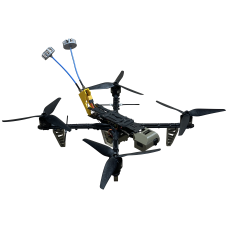
A bomber drone is a modern unmanned aerial vehicle and a type of drones and quadcopters. These bomber drones are actively used in military operations, providing an advantage on the battlefield thanks to their speed, maneuverability, and strike accuracy. An FPV bomber lets the operator view the battlefield in real time through a first-person camera, increasing attack effectiveness and situational awareness. Fiber-optic FPV drones employ a different method of signal transmission, so they are considered a separate configuration of unmanned platforms.

Purpose of bomber drones

The primary mission of bomber drones is to deliver precision strikes against concentrations of enemy infantry, military equipment, and defensive positions. Thanks to their navigation systems and a stable control channel, bomber drones are also used for reconnaissance, fire control, and monitoring the combat zone.

Drone detectors are used for early detection of UAVs and to provide warnings of airborne threats. They are classified as countermeasures rather than as equipment for the bomber drone itself.

Features of bomber drones

A modern FPV bomber is equipped with powerful propellers that ensure high speed and maneuverability even in challenging conditions. The control system is based on a data transmission protocol with minimal latency, which is especially important during flight. Range depends on the battery, the weight of the module, and the type of camera, while flight duration depends on the energy efficiency of the motors. Video transmission quality affects flight control and the visibility of objects in the frame.

Drone transmitters are responsible for communication with ground equipment. They are selected based on the protocol, operating frequency, and compatibility with the system’s receiver.

How to choose bomber drones?

When choosing drones, several key parameters are taken into account:

  • Size and weight — affect the aircraft's overall characteristics.
  • Flight range — indicates the operating range.
  • Communication frequency and control protocol — relate to system compatibility and control.
  • Payload capacity — indicates the allowable payload.
  • Flight time and camera type — affect operating duration and image quality.

FPV bomber drones come in various configurations: from lightweight tactical models to more powerful ones designed for greater range and payload capacity. If the system includes ground relay stations, their compatibility with the control channel, video system, and other equipment is additionally verified.

Where to find bomber drones?

Flash Army offers bomber drones and FPV models for military use. Consultants will help you verify the configuration and compatibility of the control system, camera, power supply, and spare parts. Drone spare parts and drone components are also available.

For protection against unmanned aircraft, anti-drone rifles and other counter-UAV equipment are used. Such equipment serves a different purpose and is not part of the bomber drone configuration.

Expand

Frequently asked questions about products in this category FPV Bomber Drones for Military Use
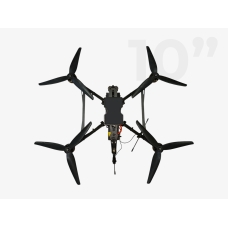
A bomber drone is a specialized military-grade unmanned platform used for strike missions. Such systems are employed for payload delivery, operational support, and high-risk operations without direct crew presence. Specific capabilities depend on the platform type, equipment, and operating conditions.
The size of bomber drones depends on the platform class and the tasks at hand. Typically, medium and large multi-copters with reinforced frames capable of carrying additional equipment are used. Multi-rotor configurations are the most common, as they provide vertical takeoff, hovering, and precise positioning.
Average flight range depends on the design type, power source, and environmental conditions. In practical applications, performance can vary from short to medium distances, while specialized models are capable of operating further. Actual range changes due to weather, terrain, payload, and communication link quality.
The flight time of a bomber drone typically depends on the battery capacity or power plant, platform weight, and payload. On average, such systems can operate from several tens of minutes to longer sessions in lighter configurations. With a heavier load, autonomy generally decreases.
The maximum speed of drones in this class depends on aerodynamics, motor power, and the total mass of the system. Many models are focused not on record-breaking speed, but on stability, control, and operational precision. Actual performance figures can vary significantly between manufacturers and configurations.
The payload capacity of such platforms depends on the frame size, number of motors, and power system. It can conditionally range from a few kilograms in more compact solutions to significantly higher values in heavy industrial configurations. As the load increases, flight duration and maneuverability typically decrease.
Such unmanned systems are equipped with surveillance cameras, navigation modules, and telemetric sensors. Depending on the tasks, day cameras, thermal imaging solutions, stabilized gimbals, and positioning systems may be used. The equipment set is determined by the specific platform and mission requirements.
Drones of this class are made of carbon fiber, aluminum alloys, composites, and impact-resistant polymers. Carbon fiber is valued for its light weight and rigidity, while metal components are used where additional strength is required. Materials are selected taking into account load, weather conditions, and service life.
Various licensed and civilian communication bands may be used for unmanned systems, depending on the country, manufacturer, and legal requirements. Specific parameters for control and data transmission channels are typically not universal and vary between platforms. The use of such systems must comply with local radio frequency regulations.
The effectiveness of bomber drones in combat depends on operator training, level of countermeasures, weather conditions, and technical equipment. Such systems can expand observation capabilities and remote task execution but are not a universal solution. Effectiveness is always determined by a combination of factors, not just the type of platform.