

Charging Stations and Batteries for EW Jammers
Sort By:

In stock
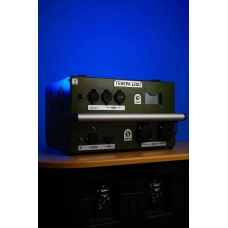
Charging Station "Genera-28"
35 999 грн.
In stock
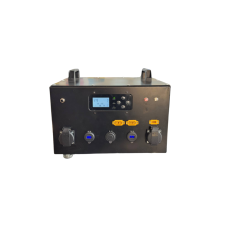
Charging Station "Genera-1200"
47 999 грн.
In stock
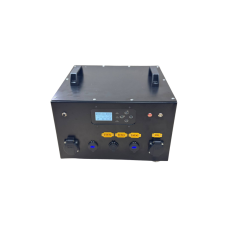
EW Jammer Charger - ZAVADA POWER Mini
57 035 грн.
In stock
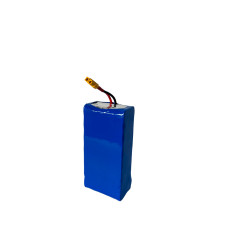
Portable Battery Wartex 7S 10Ah for EW
11 400 грн.
In stock
EW Jammer Charger - ZAVADA POWER Max
66 490 грн.
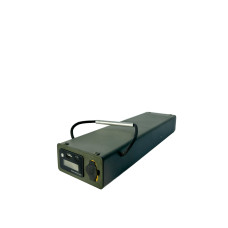
In stock
Wartex 3S 60Ah Portable Battery for EW
16 800 грн.
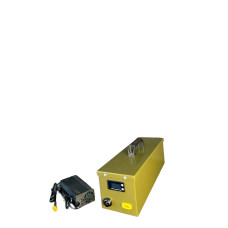
In stock
Portable Battery Wartex 7S 60Ah for EW
32 400 грн.
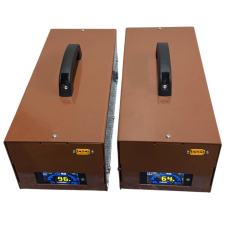
In stock
Rechargeable Batteries for EW Systems
40 000 грн.

In stock
30V Battery with Switching Unit
25 000 грн.
What are charging stations and batteries for EW systems?
EW batteries and EW charging stations are power sources that ensure the operation of electronic warfare systems in the field. They store and stably supply energy, allowing equipment to operate without being connected to a stationary power grid.Purpose of EW charging stations and batteries
The main purposes of EW charging stations and batteries are:- powering antennas, modules, and operating systems;
- extending equipment operating time;
- ensuring autonomy in field conditions.
Role of charging stations and batteries
- mobile batteries for EW – ensure the operation of equipment in remote positions;
- additional batteries for EW – backup for uninterrupted operation;
- chargers – voltage control, fast recharging, power supply stability.
How to choose charging stations and batteries?
When choosing, consider:- capacity and power – determine the system's operating time;
- compatibility – the battery must match the specific EW model;
- mobility – compactness and ability to be used with mobile devices;
- additional options – solar charging, overload protection, multi-channel connection capability.
Where to buy EW charging stations and batteries
Reliable EW batteries, mobile EW batteries, additional EW batteries, and modern EW charging stations can be found at Flash Army. Here you will find proven solutions for military equipment that guarantee uninterrupted system operation.
Expand
Frequently asked questions about products in this category Charging Stations and Batteries for EW Jammers
Main types include portable power stations, rechargeable batteries, power supply units, and modular power systems. They are used to ensure autonomous operation of EW equipment in field or mobile conditions. The specific type is chosen based on equipment power, operating duration, and application format.
Rechargeable batteries store energy, power supplies provide stable voltage, and portable power banks combine both functions in a compact format. The difference lies in purpose, capacity, and connectivity options. The choice depends on load, compatibility, and operating conditions.
EW jammer charging stations typically use XT60, XT90, Anderson connectors, as well as standard DC and AC outputs. The choice of connection type depends on the load current and equipment class. Contact reliability affects the safety and efficiency of the system.
Battery capacities for EW jammers typically range from 10 Ah to 100 Ah and more, depending on the system class. Higher capacity allows for longer operation without recharging but increases weight and dimensions. Actual operating time depends on power consumption and usage mode.
The most convenient options are compact modular blocks, portable cases, and backpack-style charging stations. They provide quick connection, transport, and component protection. The choice of design depends on mobility, operating conditions, and the number of connected devices.
Most commonly used are cables, adapters, connectors, charge controllers, and overload protection systems. Spare batteries, housing components, and cooling systems may also be required. The availability of compatible accessories simplifies maintenance and increases operational reliability.
The cost of charging stations for EW in Ukraine typically starts from UAH 10,000–20,000 for basic solutions. Mid-range systems often cost approximately UAH 30,000–80,000, while powerful complexes can exceed UAH 100,000–300,000 and more. The price depends on capacity, power, output type, and configuration.