You watched
Catalog
1
0
0

Thermal Imaging Devices for Military Use
There are no products to list in this category.

Continue
Thermal Imaging Devices for Military Use
What are thermal imaging devices?

Thermal imaging devices are specialized optical instruments that detect thermal radiation from objects. They allow you to see people, equipment, or animals even in darkness, smoke, or poor weather conditions. Such thermal optics are indispensable for military tasks: reconnaissance, observation, and tactical operations at night.

Purpose of thermal imaging devices

  1. Reconnaissance and observation – detecting objects at long distances.
  2. Tactical operations – territory control, navigation in darkness, target identification.
  3. Sighting systems – integration with optical sights to improve shooting accuracy.

Types of thermal imaging devices

Military thermal imagers come in the following types:

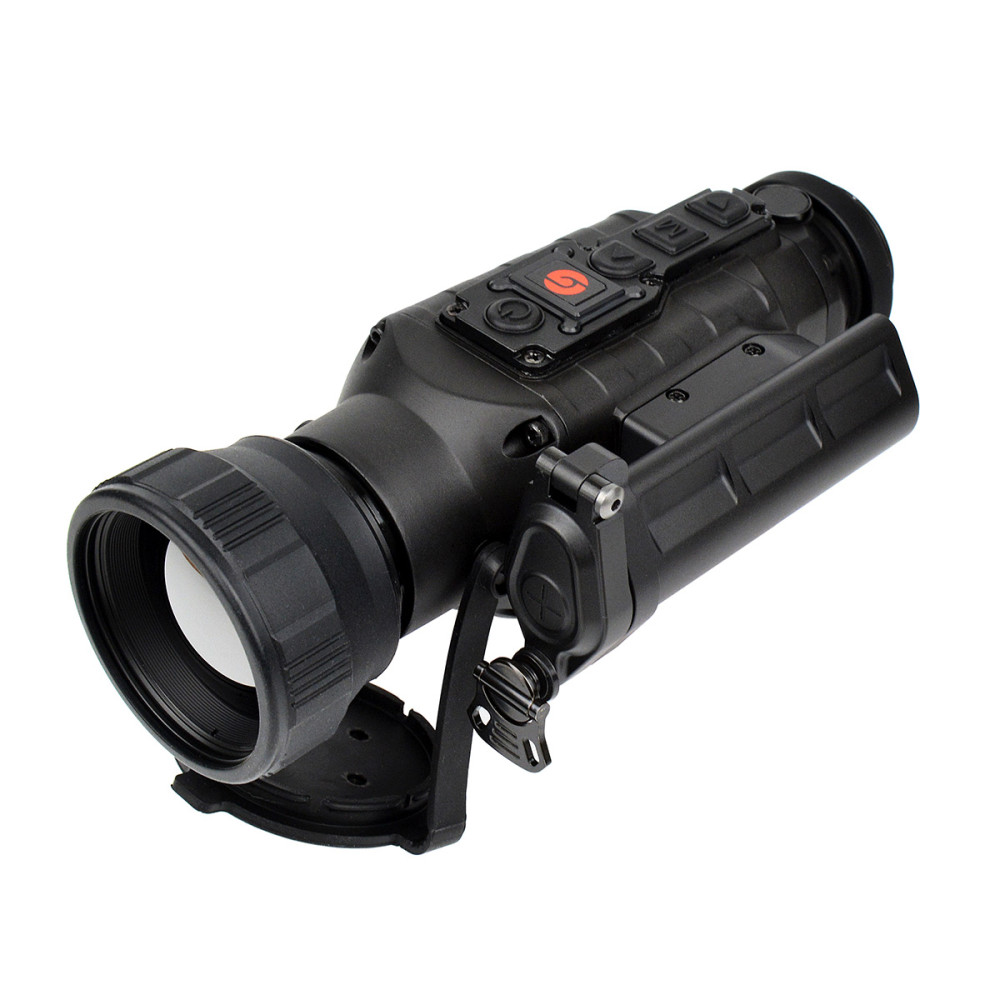
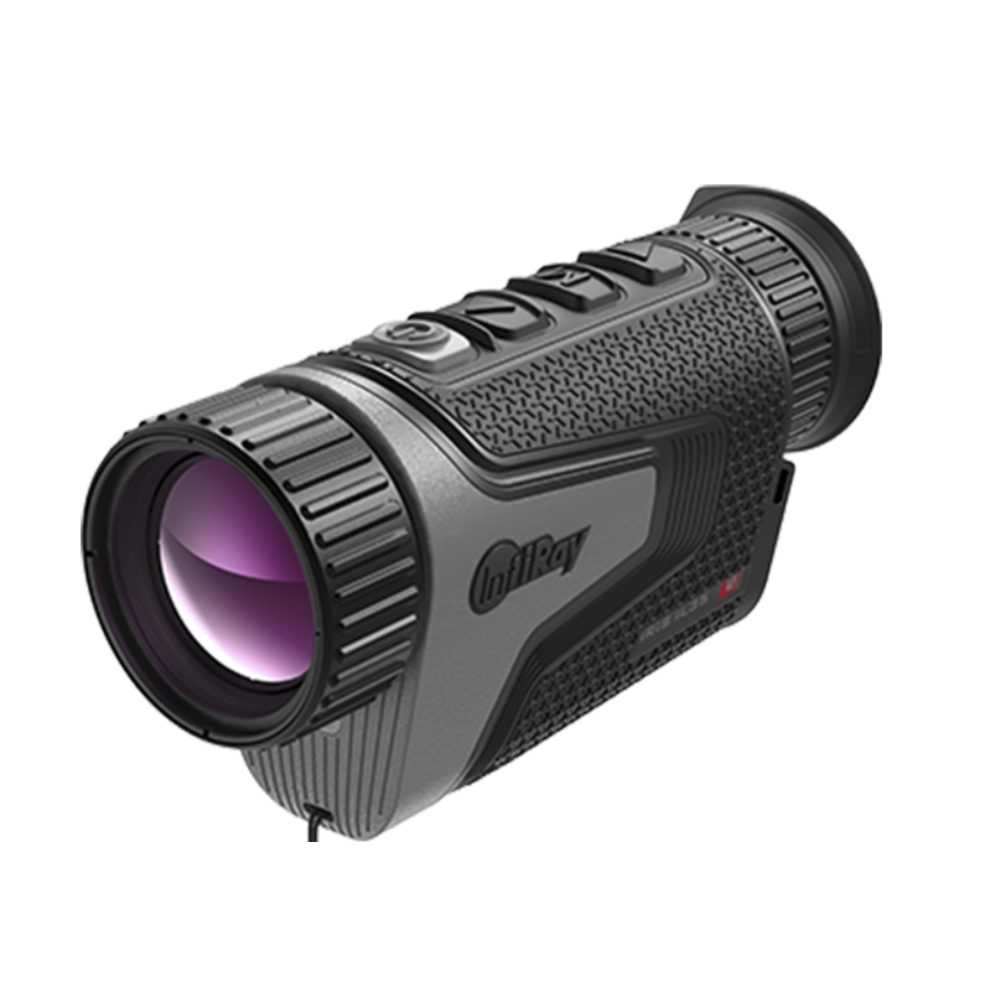
  • Monoculars – compact and portable, convenient for personal use and mobile reconnaissance.
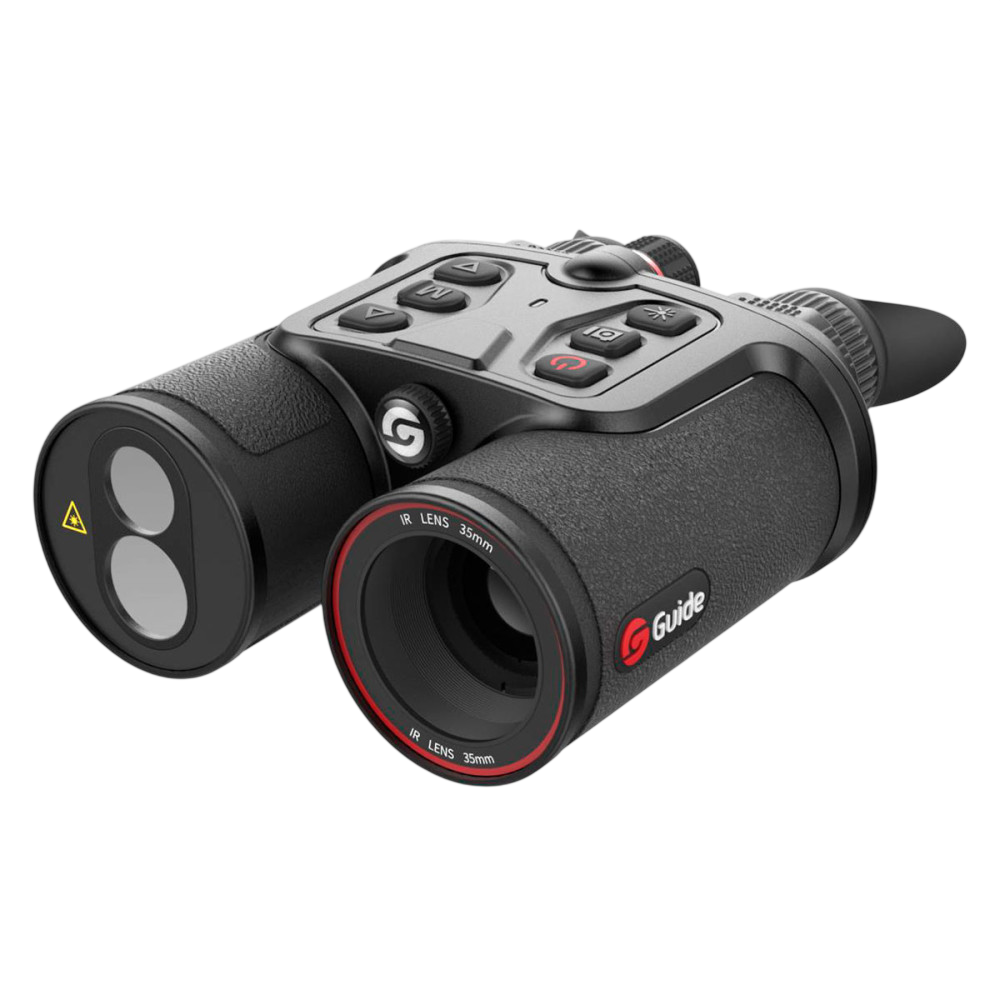
  • Binoculars – allow for long-range observation and tracking multiple targets simultaneously.
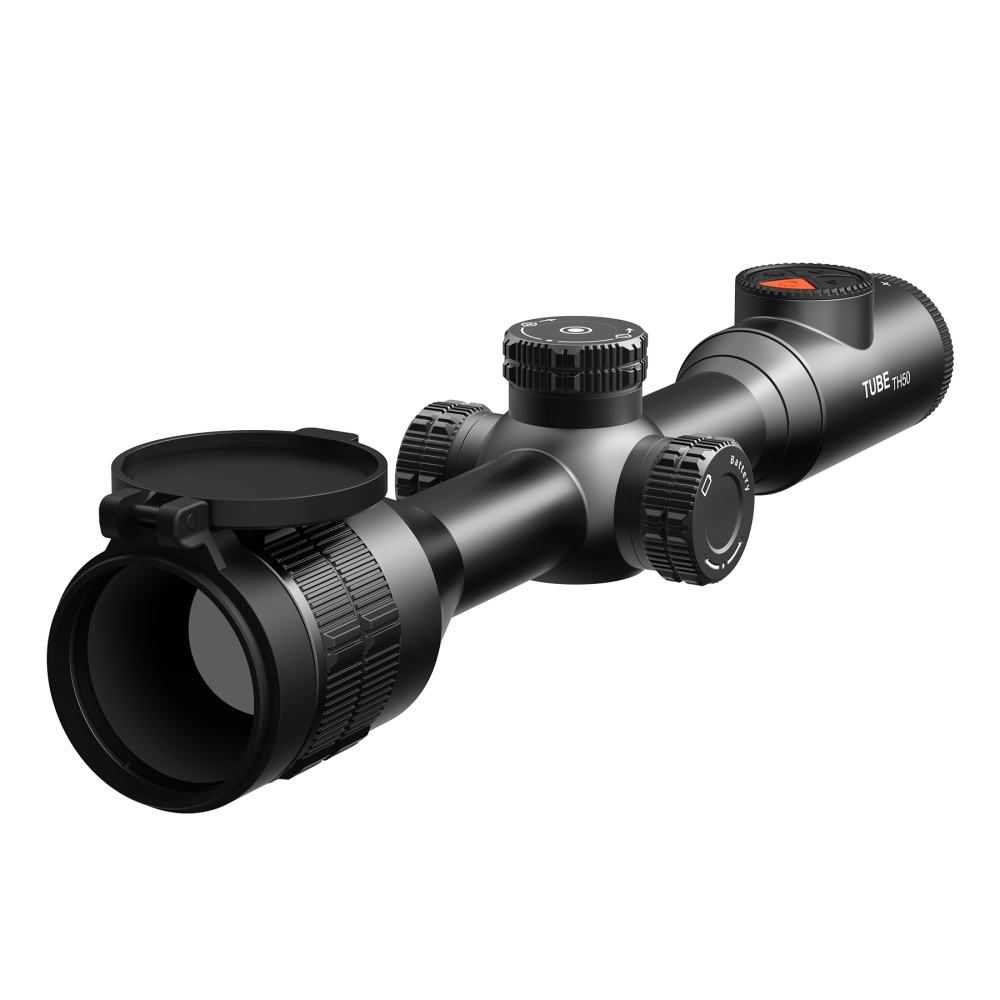
  • Sights – integrate with weapons for precise target acquisition.
  • Portable scanners – for quick detection of thermal signatures on the battlefield.

Key characteristics for selection

  • Detection range – the greater the range, the more territory can be controlled.
  • Image quality – high sensor resolution ensures clear display of objects.
  • Equipment compatibility – important for integration with sights or other systems.
  • Protection from external factors – dust, moisture, impacts, and temperature fluctuations.
  • Ergonomics and weight – ensure comfort during prolonged use.

Advantages of thermal imaging devices

  • Clear image in all lighting conditions.
  • Ability for digital zoom and video recording.
  • 360-degree view in modern models.
  • High reliability and durability in field conditions.

How to choose a thermal imaging device?

To buy a military thermal imager, determine its purpose: observation, reconnaissance, or integration with weapons. Pay attention to the range, sensor type, size, and weight of the device, as well as its compatibility with your equipment.

Where to buy thermal imaging devices?

If you are looking for where to buy a military thermal imager, a wide selection can be found at Flash Army. Here you can find reliable military thermal imagers with a warranty, various functionalities, and fast delivery across Ukraine.

Expand

Frequently asked questions about products in this category Thermal Imaging Devices for Military Use
Thermal imagers are optics that operate not with visible light, but with the heat of objects. This is why a thermal imager does not depend on whether there is ambient light or not: it displays a heat-contrast image at night, in fog, in smoke, and against a complex background.
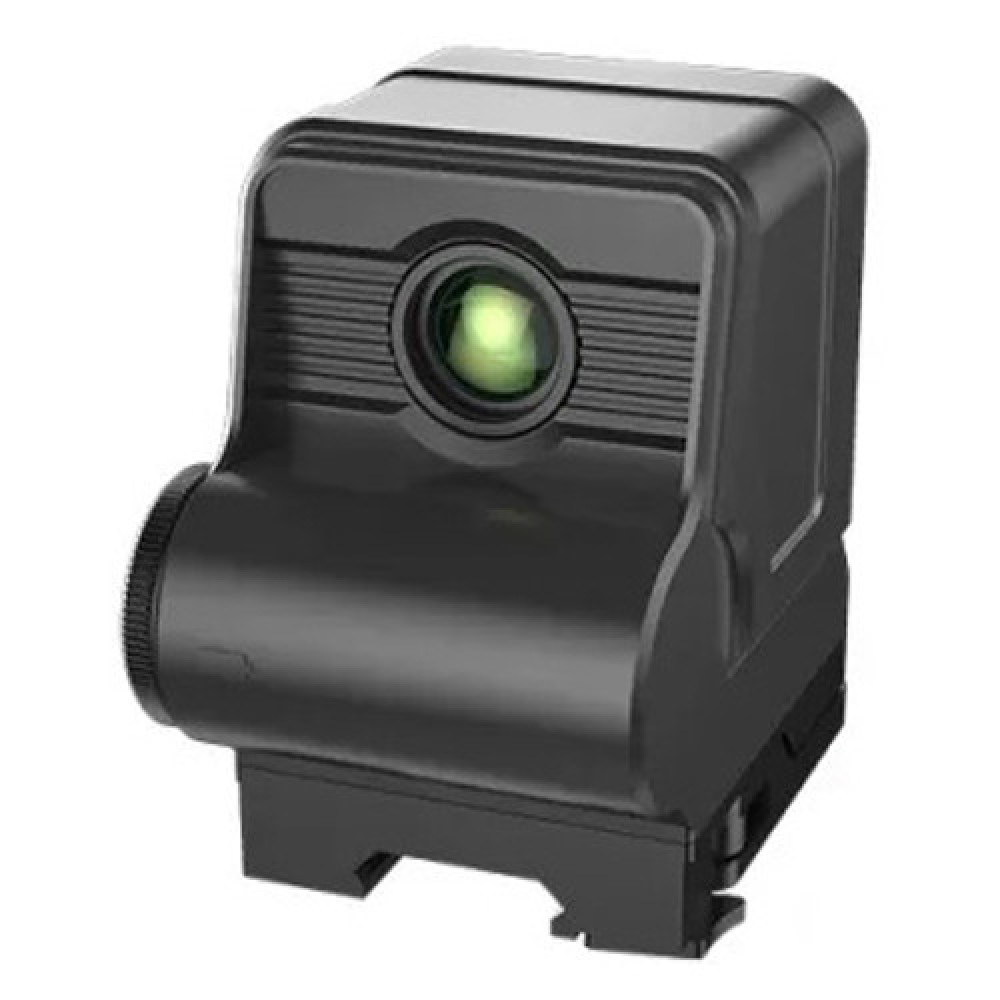
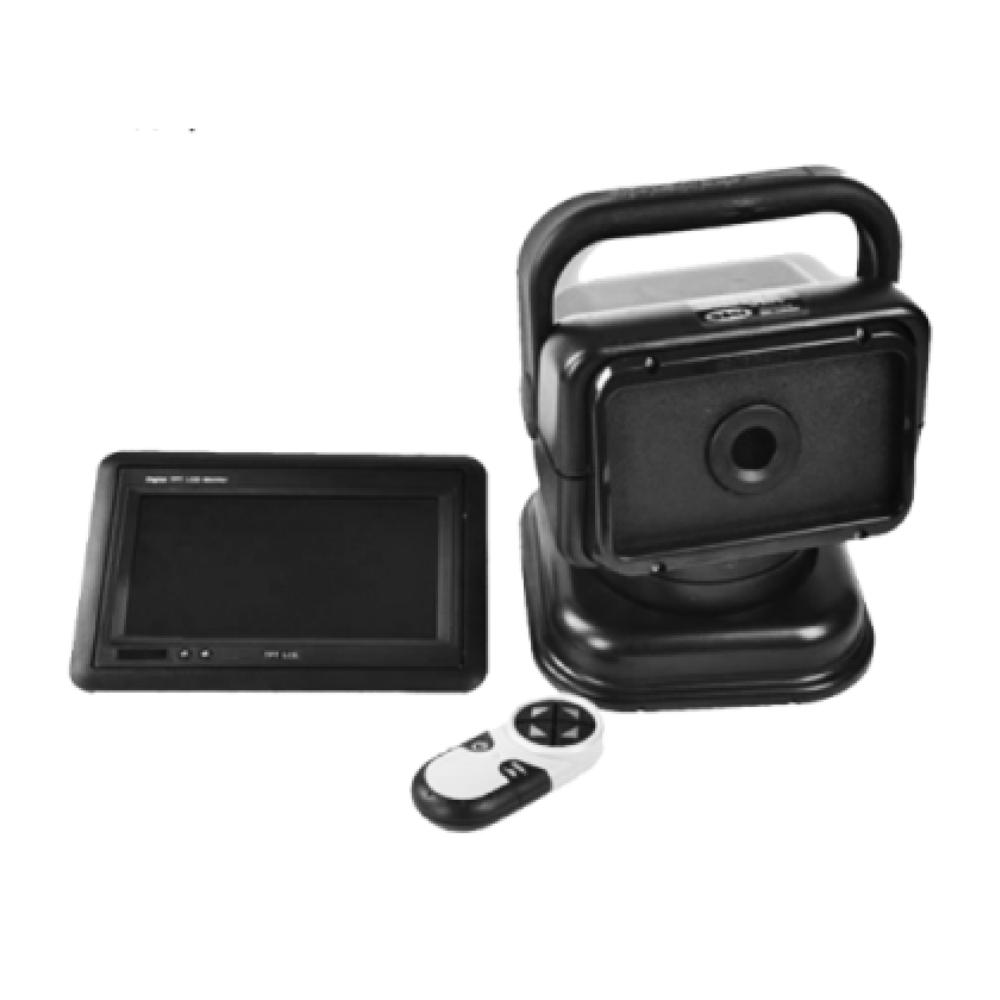
Here you can find monoculars, binoculars, scopes, red-dot sights, clip-on attachments, and even automotive thermal imagers. This means a thermal imaging device is chosen for a specific task: observation, search, targeting, or mounting on equipment or weapons.
A thermal imager is needed when it is important to quickly find a person, equipment, or any other warm object. It is not used to observe the terrain like regular optics, but to see a target by its heat where the eye, a day scope, or an NVG are already severely limited. That's why thermal imagers are so often used for observation, search, and detection in challenging conditions.
There is no single standard here. Models with matrices of 256×192, 384×288, 400×300, 640×480, and 640×512 are available for sale; higher-end or specialized solutions may also feature 1024×768, 1280×960, and 1280×1024. In short, the higher the matrix resolution, the more precisely contours, fine details, and the thermal image are visible at a distance.
It all depends on the device class and optics. For compact models, this can be around 700–1100 m, for mid-range models — around 1800–2400 m, and even more for more powerful solutions. Therefore, it is better to consider the range figure together with the matrix, lens, and format of the device itself, rather than separately from other characteristics.
Most often, 50 Hz is found in this segment. Some specialized models have a range of 30–50 Hz, but if we talk about most working solutions in this segment, 50 Hz is the most typical option.
Yes, but not all of them. There are models without a rangefinder, and there are versions with LRF — for example, GUIDE TD421 LRF, AGM Varmint LRF TS50-384, and INFIRAY Finder FL35R. If distance is critical, it's best to check this feature separately for a specific device, as the same product line may include both LRF and non-LRF versions.
A thermal imager detects heat, while an NVG operates with low light or IR illumination. Because of this, a thermal imager is better at finding heat-contrasting targets, while a night-vision device provides a more familiar image of the terrain with background, contours, and obstacles. These are not two variations of the same device, but different tools for different tasks.
Models in this category start at approximately UAH 28,000, with functional monoculars like the GUIDE TrackIR 25mm 400×300 around UAH 55,000, 384×288 with LRF around UAH 66,000, 640×512 around UAH 90,000–105,000, and more complex specialized solutions can reach UAH 300,000 and above. The price here is most influenced by the sensor, lens, range, LRF, and the device format itself.
At Flash Army, thermal imagers can be selected for observation, search, target engagement, or with a rangefinder. Before ordering, it's best to immediately check the device type, matrix, lens, detection range, frame rate, and whether an LRF is needed, as the difference between a compact monocular, a thermal scope, and an automotive model is very significant here.