

Cameras for FPV Drones
Sort By:
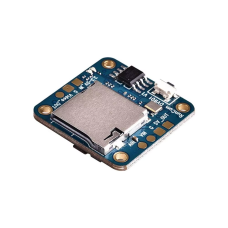
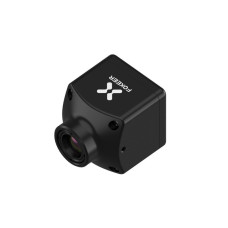
Foxeer FT256 Analog CVBS Thermal Camera
18 150 грн.
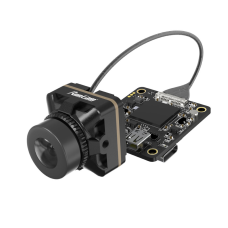
RunCam Split-H Camera
3 257 грн.
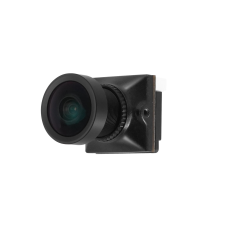
Caddx Ratel 2 Night Version Camera
1 265 грн.

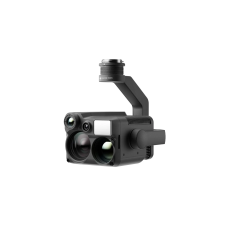
DJI Zenmuse H20N Thermal Camera
229 900 грн.
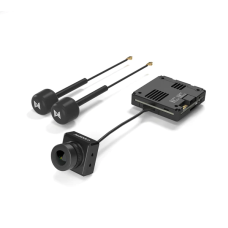
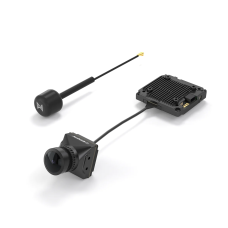
Walksnail Avatar HD Pro Kit Video System
7 700 грн.

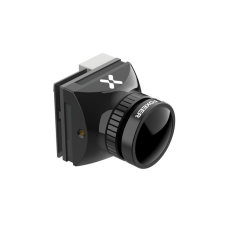
FPV Camera Foxeer Toothless 2 micro
1 716 грн.
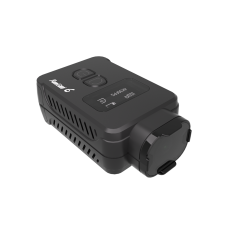
RunCam 6 Camera
6 600 грн.
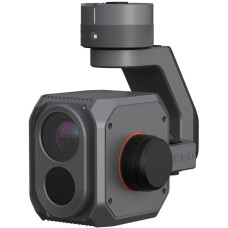
Thermal Camera Yuneec E20Tvx
193 600 грн.
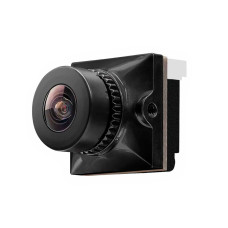
Caddx Ratel 2 Camera
1 419 грн.
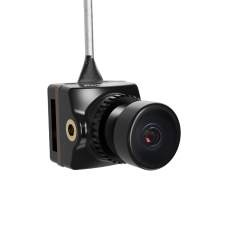
RunCam Split 4 V2 Camera
5 830 грн.
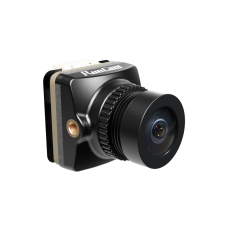
RunCam Phoenix 2 SPV4 Camera
1 089 грн.
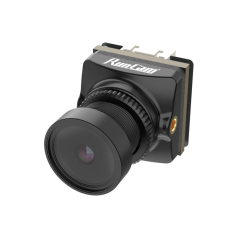
RunCam Phoenix 2 Pro Camera
1 507 грн.
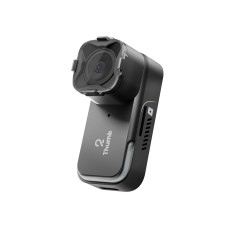
RunCam Thumb 2 Camera
6 050 грн.
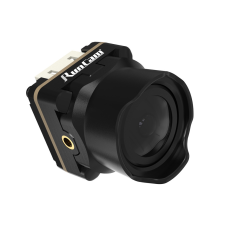
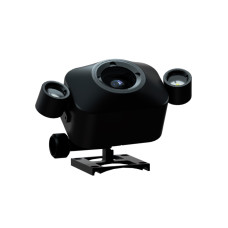
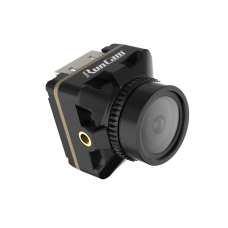
RunCam Robin 3 Camera
825 грн.
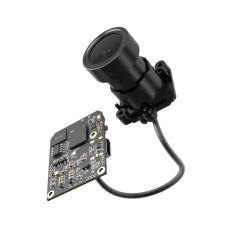
RunCam Night Cam Prototype Camera
2 024 грн.
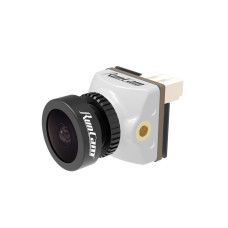
RunCam Racer Nano3 MCK Camera
1 650 грн.
Frequently asked questions about products in this category Cameras for FPV Drones
A drone camera is a module that provides video transmission or image recording during flight. It operates using a sensor that converts light into a digital or analog signal and transmits it to a receiver or records it to a storage medium. Performance depends on the type of camera, lens, sensor, and data transmission system.
The main types are FPV cameras for real-time flight and recording cameras for video or photo capture. FPV models focus on minimal signal latency, while recording cameras prioritize high image quality. In some systems, these functions are combined, but separate modules are typically used.
Modern drone cameras typically have a field of view ranging from 120° to 170°, depending on the lens type and purpose. A wide angle allows for better control of the space during flight but can distort perspective. Narrower angles are used for more precise detail transmission and a more stable frame.
Quadcopter cameras most often use wide-angle lenses with a focal length of approximately 1.8 to 3.6 mm. Such solutions provide a wide field of view and ease of control during flight. More complex lenses with better detail transmission and stabilization can be used in imaging cameras.
Drone cameras typically use CMOS sensors of various sizes, from 1/3" to 1" and larger. A larger sensor generally provides better detail, dynamic range, and low-light performance. Quality also depends on signal processing, optics, and camera settings.
Drone cameras most often support aspect ratios of 4:3 and 16:9 depending on the operating mode. The 4:3 format provides a larger vertical field of view, while 16:9 is better suited for video and broadcasts. Some models offer additional formats depending on recording settings.
Drone cameras are divided into analog and digital video transmission systems. Analog cameras typically have lower latency and a simpler design, while digital cameras provide higher image quality and a more stable signal. The choice depends on the tasks, budget, and video requirements.
Camera resolution for drones typically ranges from 600–1200 TVL in analog models to 720p, 1080p, 2.7K, and 4K in digital systems. Higher values provide better detail but can affect latency and data volume. Quality also depends on the sensor, lens, and shooting conditions.
The price of drone cameras in Ukraine usually starts from UAH 800–1,500 for basic FPV models. Mid-range cameras often cost UAH 2,000–5,000, while digital or professional solutions can exceed UAH 8,000–20,000 and more. The cost is influenced by the camera type, video quality, brand, and signal transmission technologies.