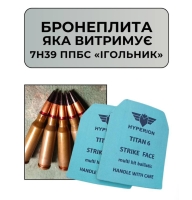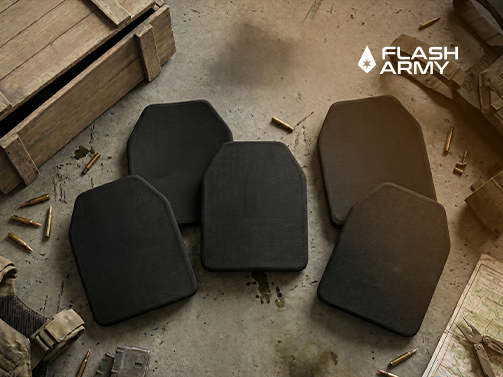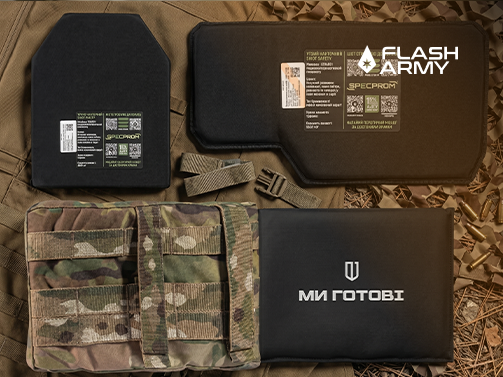
A plate carrier is a core element of military equipment. Proper use of individual gear is essential for preserving life and ensuring comfortable movement for a soldier. It is into the plate carrier that durable armor plates are inserted, which protect vital internal organs from bullets and shrapnel. However, its effectiveness depends not only on the quality of materials but also on its correct fit on the body.
Even reliable equipment may fail to perform its functions due to incorrect wear. Armor plates are often placed too low or, conversely, too high, disregarding anatomically important areas that should be covered (see illustration).
That is why it is important to understand how to wear a plate carrier so that it provides maximum protection, does not restrict movement, and does not create unnecessary strain.
In this article, we will examine the main recommendations for the proper use of a plate carrier, as well as its features and history.
What is a plate carrier: history and features
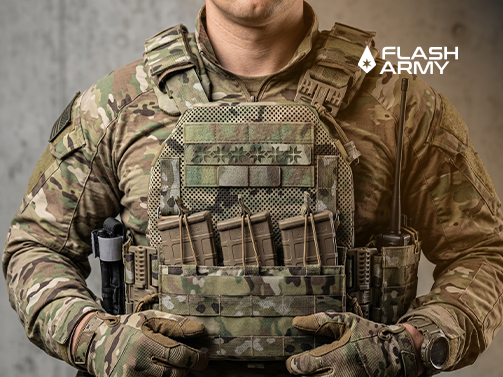
Tactical plate carriers are lightweight vests or covers made of durable materials, into which special hard armor plates are inserted to provide ballistic protection. Such a design is a more compact alternative to a classic body armor vest.
Plate carriers emerged as a result of the evolution of body armor in the 20th and 21st centuries. Initially, heavy body armor vests were used, which were later replaced by lighter Kevlar models, effective against shrapnel but insufficient for protection against bullets. This led to the introduction of hard armor plates, which were first inserted into vests (“flak jacket”), and over time became the basis of a separate type of equipment — plate carriers.
The main function of a plate carrier is to cover the chest and back, i.e., areas where the heart, lungs, and major blood vessels are located. Its main advantage is compactness, which ensures high mobility. A plate carrier does not restrict freedom of movement and is easily adjustable for height and body circumference. In addition, basic models typically weigh less compared to body armor vests of a similar protection level. At the same time, the user can independently adjust the overall weight of the equipment by choosing appropriate armor plates and changing the amount of additional gear.
How to wear a plate carrier correctly
Proper use of a plate carrier depends on several factors: its placement, fixation, the weight of additional equipment, and wear time.
Plate carrier placement
The main principles for placing a plate carrier on the body are optimal height, tight lateral fixation, and correct fit. It is very important to “fit” the equipment to yourself. Here’s how to do it.
The front plate should be positioned with its upper edge at the level of the jugular notch (between the collarbones), covering the chest, not the abdomen. The most common mistake is placing it too low, which leaves the heart and aorta exposed.
The rear armor plate should be positioned symmetrically to the front plate and cover the upper back. Optimal position: the upper edge is approximately at the level of the upper edge of the shoulder blades (or slightly below the base of the neck at the back).
Shoulder straps are responsible for the height of the fit. They should be adjusted so that they do not press on the neck or dig into the shoulders.
Adjustment straps are hidden directly inside the shoulder straps. To access them, you need to open the wide shoulder Velcro. In addition, the length of the straps should be constantly checked to avoid misalignment.
To check the correct placement of the plate carrier, lower your chin to your chest. It should touch the upper edge of the plate.
Secure fixation
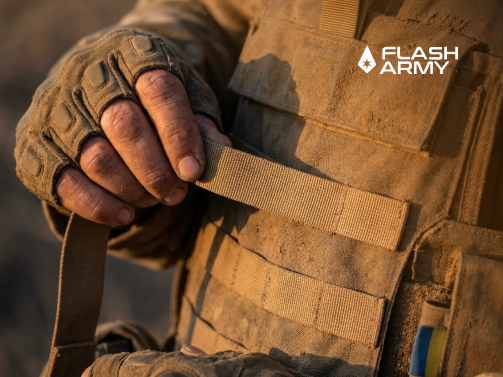
Cummerbunds (side parts of the plate carrier) ensure proper weight distribution and fixation, preventing equipment displacement during movement. They are adjusted with hidden Velcro straps at the front under the flap or on the back and often feature a quick-release system.
Fixation should be done on a deep inhale — this helps determine the optimal tightening level. The cummerbund should fit snugly against the body but not compress the chest or restrict breathing. There should be minimal space between the body and the plate carrier (approximately two fingers).
The plates themselves are secured using internal straps with Velcro, which hold them in their pockets.
Weight of additional equipment
Even distribution of equipment and pouches between the front, back, and side parts of the plate carrier is key to maintaining soldier comfort. If the load is shifted to one side, it can lead to imbalance, rapid fatigue, and back muscle strain. Therefore, only the most essential items should be kept at the front: ammunition magazines and a first-aid kit. Everything else can be placed on the belt or behind the back.
How long can a plate carrier be worn
The time spent in a plate carrier should generally not exceed 8–10 hours during active loads. However, this indicator depends on the total weight of the armor and the physical fitness of the soldier. For example, if the weight is 12 kg, the safe wear time is up to 5 hours; if the weight is 16 kg, no more than 2 hours. It is very important to periodically remove the protection for 5–10 minutes to recover, if possible. This is necessary to reduce the load on the back and improve blood circulation.
Comfort can be enhanced with additional equipment elements. Anatomical dampeners improve ventilation and reduce pressure on the back, while a load-bearing belt partially transfers weight from the shoulders to the pelvis and legs.
Usage tips
Before buying a plate carrier, you need to pay attention to the quality of materials, the manufacturer, and the presence of a MOLLE system (modular lightweight load-carrying equipment).
Quality materials.
Plate carriers are usually made from ultra-durable Cordura nylon fabric (500D or 1000D), resistant to tearing, abrasion, and moisture. In areas of high pressure (shoulders, attachments, pouch fixation points), double or even triple stitching with reinforced threads is often used.
Velcro plays a special role. It must be strong and maintain fixation after repeated use.
In addition, 3D mesh is often used on internal panels for additional ventilation.
Proven manufacturers.
The choice of manufacturer is no less important, as it affects compliance with standards and the overall ergonomics of the product. Some models are marked “combat-proven,” which is one of the strongest indicators of quality.
Ability to accommodate additional equipment.
The presence of a MOLLE system allows for flexible configuration of pouches according to tasks. It is critically important to position medical equipment so that it is quickly accessible with both hands.
Conclusion
A plate carrier is the foundation of protection and military equipment. Its correct position on the body often depends on life. Therefore, correct wear of a plate carrier is no less important than the quality of materials or the level of completeness. It is the placement of armor plates in accordance with all standards, reliable fixation, balanced weight distribution, and equipment adjustment that ensure effective protection of vital organs and maintain the soldier’s mobility.
Failure to adhere to basic usage principles can not only reduce the level of protection but also create additional strain on the back and cause rapid fatigue during task execution. By considering these recommendations when choosing and setting up a plate carrier, you can maximize the potential of this equipment on the battlefield.
Military equipment and plate carrier components can be purchased at the Flash Army online store. The website offers a wide selection of ammunition with different protection zones, colors, and materials, suitable for both sexes.