Road safety depends on many factors: vehicle serviceability, driver experience, and weather conditions. No matter how confident you are in your vehicle or your own skills, it's wise to anticipate various possible situations — which is why a first-aid kit is a mandatory component of a car's equipment.
Providing first aid can save lives, which is why the presence of a car first-aid kit is stipulated in Ukrainian legislation. Before getting behind the wheel, it is necessary to equip the first-aid kit according to current requirements and established standards.
This publication was prepared by the Flash Army marketplace for urban car drivers, service crews, volunteers, and others. The article will help you understand what standards are in force in Ukraine and clarify the necessary contents of a car first-aid kit.
Legal Requirements for Car First-Aid Kits and Their Standards
Requirements for car first-aid kits and their standards are outlined in Ukrainian regulatory documents, specifically, the contents of first-aid kits are regulated by National Standard DSTU 3961-2000. There is also a European standard car first-aid kit (DIN 13164) — such a kit is necessary for drivers planning to travel to European countries.
The most common types of first-aid kits are AMA-1 and AMA-2. Let's consider each of them.
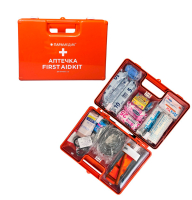
- AMA-1 — a type of first-aid kit designed for passenger cars, up to 9 people.
- AMA-2 — for vehicles carrying more than 9 passengers.
The contents of both types of first-aid kits are specified according to modern requirements for pre-medical care.
The AMA-2 kit contains the same categories of dressings as AMA-1, but in larger quantities corresponding to the number of passengers.
Responsibility for the Absence of a First-Aid Kit
The absence of a first-aid kit in a vehicle is grounds for administrative penalty in accordance with current legislation. The exact amount of the fine is not currently specified in the traffic rules, but according to various data, it can range from 340-680 UAH.
It is important to understand that car first-aid kits — are primarily for the safety of the driver and passengers, and only then a legal requirement.
Contents of a Car First-Aid Kit
The basic contents of a car first-aid kit include materials for basic resuscitation measures and for assistance with bleeding. A detailed list of the necessary components for AMA-1 and AMA-2 standards is presented in DSTU 3961-2000.
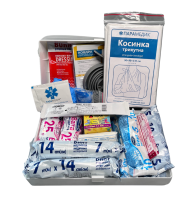
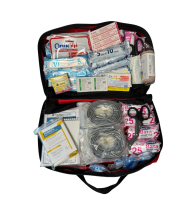
The car first-aid kit includes:
- sterile bandages of various sizes;
- gauze pads or non-sterile bandages;
- dressing packs;
- bactericidal plaster;
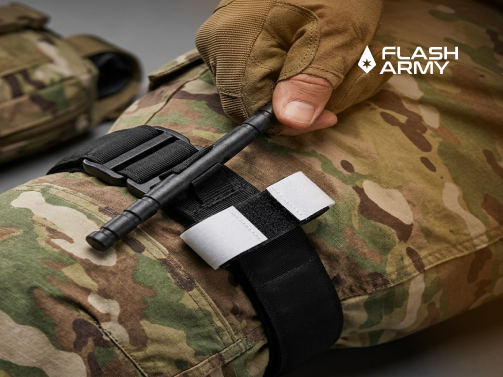
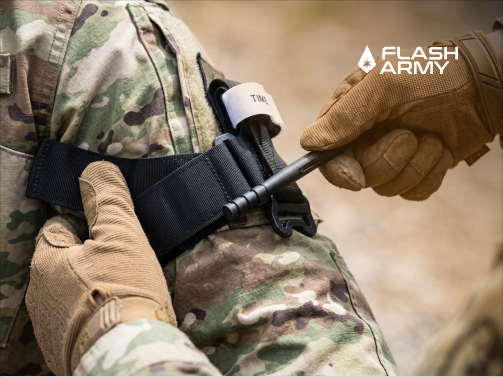
- tourniquet;
- gel dressing for burns;
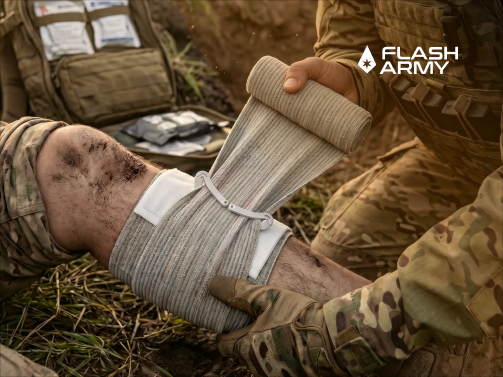
- elastic bandage;
- medical gloves;
- scissors;
- device for artificial lung ventilation (valve or film-valve).
The above list is a generalization of the contents of different types of car first-aid kits. When assembling your own first-aid kit, be sure to check the current standards specifically for your type of vehicle.
Means for Stopping Bleeding and Dressing Wounds
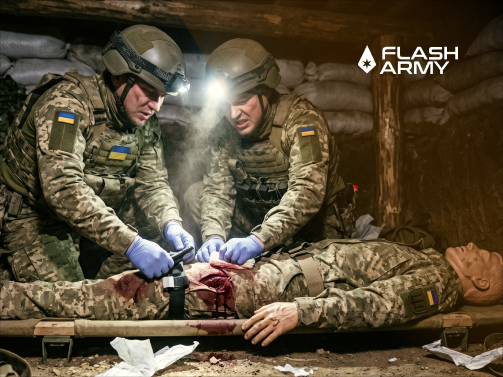
A car first-aid kit must contain means for bleeding control and wound dressing, as these are the most common types of injuries on the road. Tourniquets, bandages, gauze dressings, plasters — all these items are designed for effective and rapid stabilization of the victim's condition until an ambulance arrives.
Other Emergency Supplies and What Else to Include in the First-Aid Kit
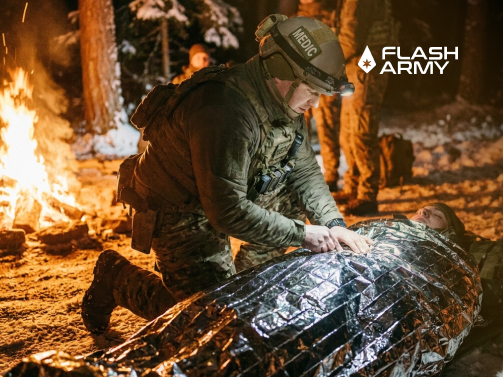
Optionally, the list of medical supplies for a road first-aid kit may include a thermal blanket, tourniquets, pain relievers and antihistamines, syringes for injections, and more. Tablets, solutions, and similar medications are not included in the standard required contents of AMA-1 or AMA-2 first-aid kits according to current regulations, but they provide additional assistance for injuries.
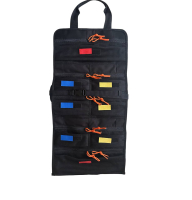
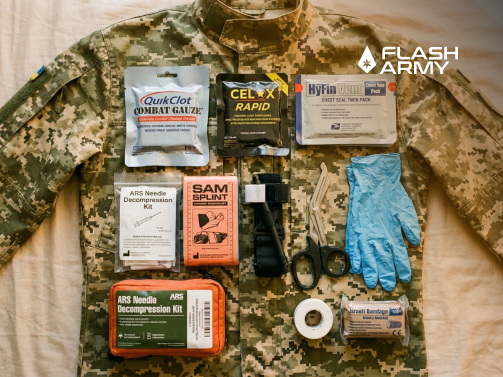
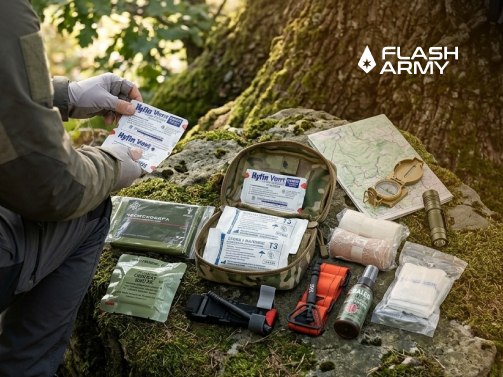
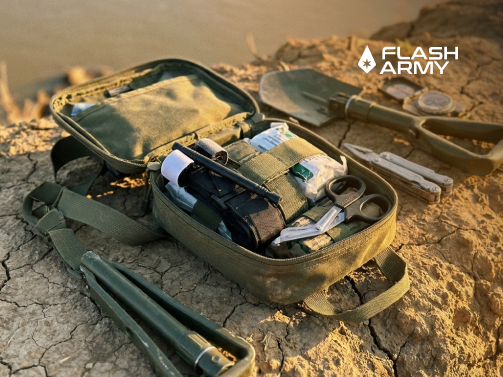
When using a vehicle in high-risk areas, consider purchasing a tactical first-aid kit, which will provide an additional safety measure for you and other passengers.
Shelf Life and Operating Instructions
Each car first-aid kit has an expiration date, which is indicated in the documentation accompanying the kit. Even if the rules for forming and equipping change after purchasing the first-aid kit — the owner can use it until the expiration date without any restrictions.
The accompanying documents for the first-aid kit include a brief instruction, which schematically outlines the basic rules for using dressings, anti-burn, and antiseptic agents. In addition, car owners can familiarize themselves with the extended version of the instructions by downloading it from specialized online resources. Attending first aid courses will also be a plus for drivers.
Conclusion
A car first-aid kit is an essential safety element. A medical kit assembled according to AMA-1 or AMA-2 standards allows for providing initial pre-medical care immediately after an accident or injury.
It is important to regularly check the expiration dates and the compliance of the first-aid kit's contents with current legislation. A clear understanding of the necessary medical supplies and a responsible attitude towards equipping the first-aid kit will help minimize risks in emergency situations on the road.
In this material, we have analyzed the types of road first-aid kits, legal requirements for their formation, and recommendations for equipping additional items in the medical kit.
You can buy a first-aid kit with all the necessary components on the Flash Army marketplace, where various types of medical kits that comply with current Ukrainian legislation are collected.