

Motors for Drones and Quadcopters
Sort By:
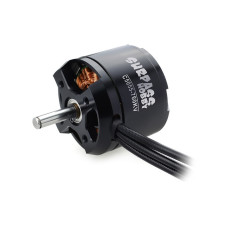
Motor Surpass Hobby C5055 760KV
1 980 грн.
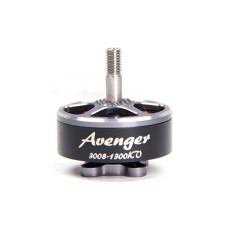
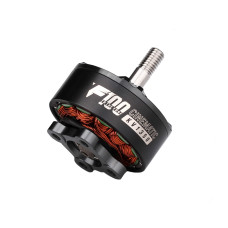
Motor T-Motor F100 KV1100 / KV1350
1 681 грн.
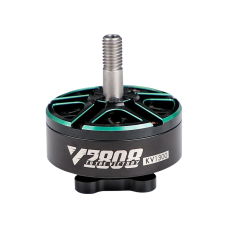
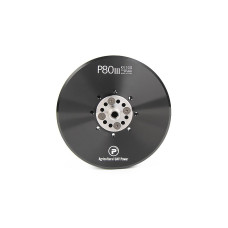
Motor T-MOTOR P80III 100KV
8 250 грн.
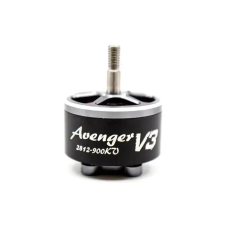
Motor BrotherHobby Avenger V3 2812 900KV
1 254 грн.
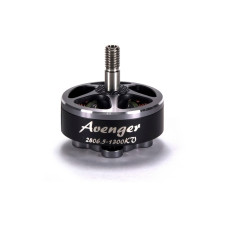
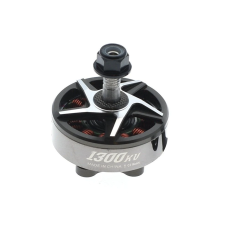
Motor RCinpower EX2807 1300KV
677 грн.
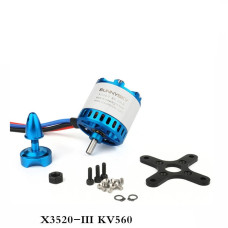
Motor SunnySky X3520 III 560KV
2 750 грн.
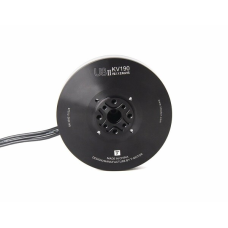
Motor T-motor U8 II KV190
18 700 грн.
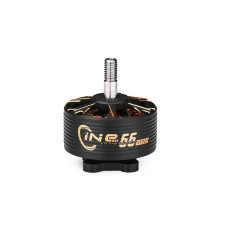
Motor T-Motor CINE66
2 353 грн.
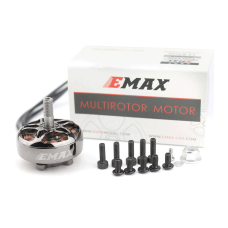
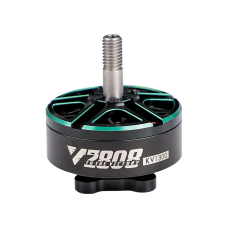
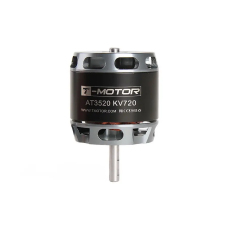
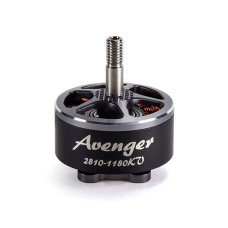
Motor Brotherhobby Avenger 2810 900KV
1 681 грн.
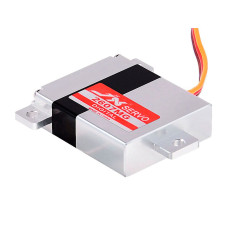
Servo JX PDI-2607 MG (26g/ 5.85kg/0.16s)
1 595 грн.

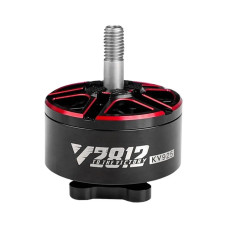
Motor T-Motor VELOX V2812 - 925KV/1155KV
2 143 грн.
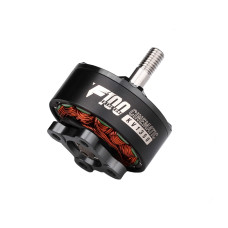
Motor T-Motor F100 KV1100 / KV1350
1 681 грн.
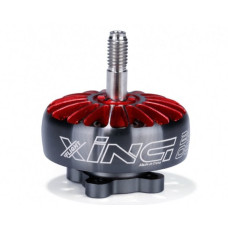
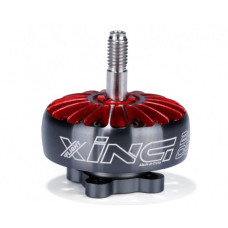
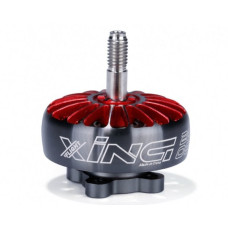
Motor iFlight XING2 2604 1350KV / 1650KV
1 177 грн.
Frequently asked questions about products in this category Motors for Drones and Quadcopters
A drone motor is a key component of the propulsion system that spins the propellers and generates thrust for the platform's lift and movement. It converts electrical energy from the battery into mechanical rotation. Motor characteristics directly affect the drone's speed, maneuverability, stability, and payload capacity.
Drones use brushed and brushless motors. Brushed models are typically simpler and cheaper, but have a shorter lifespan and lower efficiency. Brushless motors provide higher power, longer service life, and more stable operation, which is why they are more commonly used in modern drones.
Brushless motors are typically used for FPV and professional drones due to their efficiency and high power. They provide quick response, stable thrust, and better control during flight. Specific parameters are selected depending on the frame size, drone weight, and usage scenario.
Motor power for drones typically ranges from 100 to 500 W in compact FPV models and can reach 500–1500 W or more in larger or cargo platforms. Higher power allows for greater lift capacity and provides better dynamics. Actual performance depends on motor size, voltage, and propellers.
Motor weight typically ranges from 20 to 80 g for FPV drones and can exceed 100–300 g in larger models. Lighter motors improve maneuverability and reduce battery load, while heavier ones provide greater power and thrust. Increased system weight usually affects flight time and energy efficiency.
Drone motors typically operate in a range from 7.4 V (2S) to 22.2 V (6S) and higher, depending on the configuration. FPV drones often use 4S or 6S batteries, while larger platforms may operate at higher voltages. Voltage determines RPM, efficiency, and compatibility with the speed controller.
The KV rating indicates the number of motor revolutions per volt of voltage without load. The value typically ranges from 800 to 2500 KV and more, depending on the drone type. High KV provides greater rotational speed, while low KV offers higher thrust and efficiency with larger propellers.
Motor thrust determines a drone's ability to lift its own weight and additional payload. In FPV drones, the thrust of a single motor can be approximately 0.8–2.5 kg, while in larger systems, this figure is significantly higher. For stable flight, the total thrust should typically exceed the drone's weight by at least 2 times.
The price of drone motors in Ukraine usually starts from 300–600 UAH for basic models. Quality mid-range FPV motors often cost 700–1,500 UAH per unit, while professional or high-power solutions can exceed 2,000–5,000 UAH. The cost depends on the brand, size, power, and materials.