With the onset of darkness, detecting drones becomes significantly more difficult due to limited visibility, the small size of the drones and often low noise levels. Even those UAVs that are relatively close are often impossible to spot with the naked eye or with the help of traditional binoculars or optical sights. Enemy drones often use darkness as a means of camouflage.
That is why the use of special equipment is critically important for the dark. In particular, thermal imagers, night vision devices, acoustic sensors and radio monitoring equipment. Only a comprehensive approach to monitoring helps to fully understand the situation, determine the direction of the drone's approach and respond to the threat in time. In this article, we will look at why it is more difficult to detect drones at night, what tools are used for this, and what factors affect the detection efficiency.
Why is it more difficult to detect drones at night
The main reason is quite obvious - zero or low visibility. Conventional visual monitoring is often impossible, as it depends significantly on whether the drone is illuminated at night. However, modern UAVs are usually painted in dark or matte colors and do not have navigation lights turned on, due to which their silhouette completely merges with the night sky.
In addition, the task is complicated by acoustic masking: at night, the perception of sounds changes due to fluctuations in air temperature and wind direction. The operation of radar systems (radars) is complicated by the small size of the drones themselves, their high maneuverability and ability to move at low altitudes, using the specifics of the terrain as cover.
What means are used to detect drones at night
For effective monitoring of the night sky, several types of equipment are used both separately and in combination, each of which works on different physical principles:
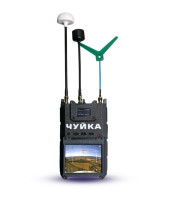
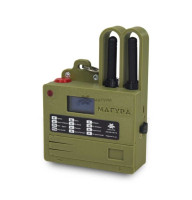
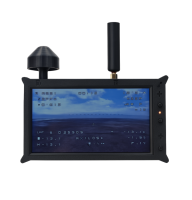
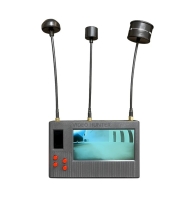
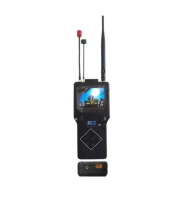
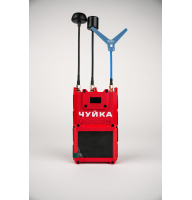
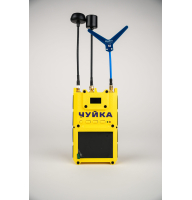
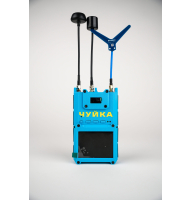
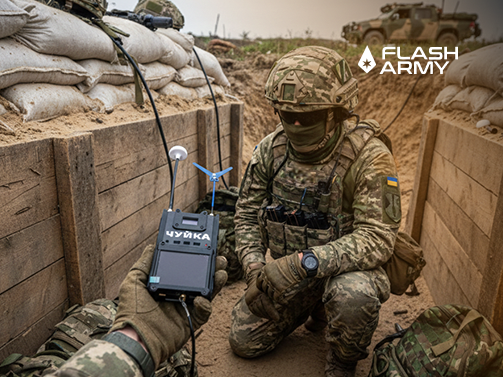
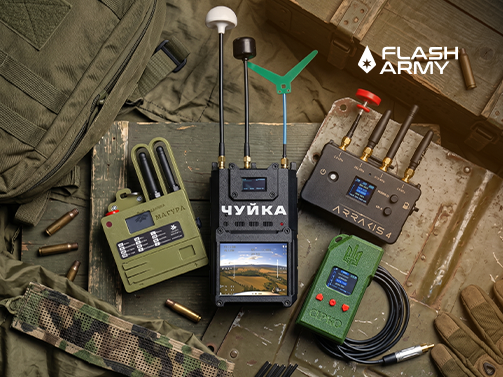
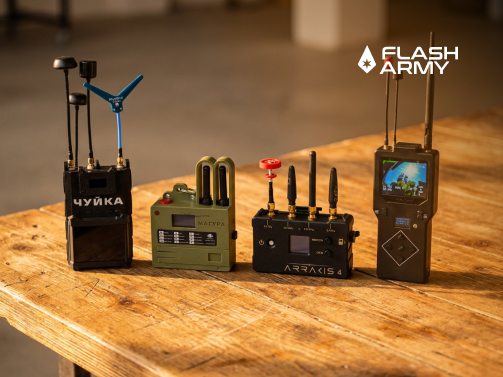
- Drone detectors — portable or stationary devices for scanning the radio frequency spectrum. They record and analyze radio signals between the drone and the remote control or other communication sources and notify about the presence of a threat even before the drone gets close.
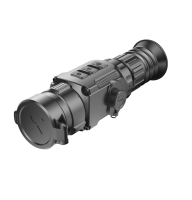
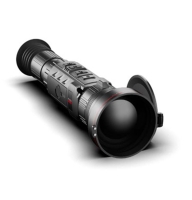
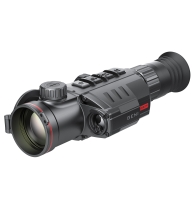
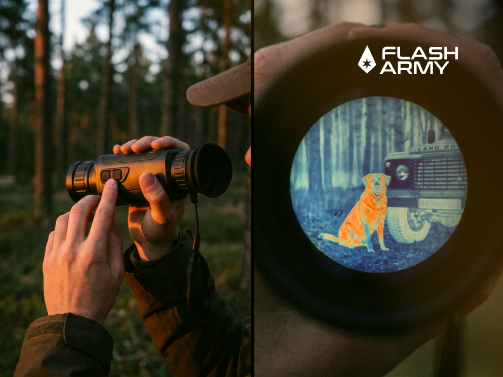
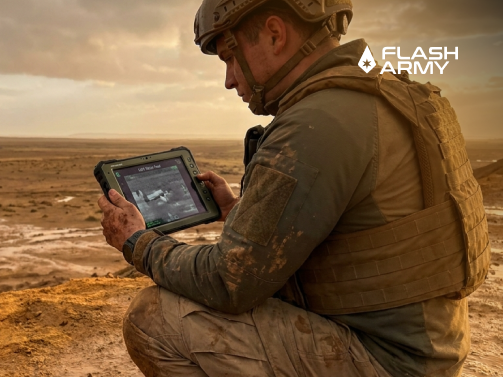
- Thermal imagers — opto-electronic devices that detect infrared radiation from objects. Recording the thermal trace from heated elements of the drone (electric motors, batteries, processor boards) allows you to notice it even in complete darkness or light fog. It is the use of a thermal imager that gives an understanding of what a drone looks like in the sky at night, because with the navigation lights turned off, it is impossible to see it without special equipment.
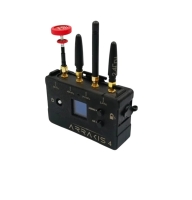
- Radio monitoring systems — complex complexes that are capable of performing a deep analysis of the airwaves and not just recording the fact of the presence of a signal, but also finding the direction to the drone (or remote control), determining its frequency and even identifying a specific model of the device.
- Acoustic detection devices— systems consisting of highly sensitive microphones and accompanying software. They capture the specific sound of propellers (rumble) and are able to distinguish it from other night noises, determining the approximate direction of the target.
The best results are usually provided by an integrated approach, when thermal imaging surveillance is combined with radio monitoring and acoustic detection. This approach allows you to compensate for the limitations of individual technologies and significantly increase the efficiency and timeliness of threat detection.
Features of using drone detectors at night
Although a drone detector is not a full-fledged replacement for a serious integrated approach involving stationary radars, thermal imagers or acoustic stations, this tool remains the most popular due to its mobility, ease and relatively low cost. A portable detector significantly increases the chances of timely detection of a threat where it is not possible to use more complex systems, and relying only on your own vision or hearing in the dark is deadly dangerous.
However, using these devices in the dark has a number of certain nuances:
- Complete trust in the device's indication — Since at night the naked eye is not able to fix the target in time and the operator often does not know how to distinguish a drone from a star, he must learn to clearly interpret the detector indication (frequency range, signal level) and act as quickly as possible — without waiting for the FPV drone to become visible.
- Strict light masking — detector screens or LED indicators are especially clearly visible from afar in in the dark and can instantly unmask the position. That is why at night they should be completely turned off, muted to a minimum or covered with special filters.
- Working “blindly” — using ordinary flashlights to maintain equipment in the dark is impossible due to the threat of unmasking. Therefore, setting up devices, replacing batteries and switching antennas must be practiced to the point of being able to do this automatically — by touch.
- Stable power supply of equipment — night shifts often last longer than day shifts, and any break can lead to missing a threat, so it is necessary to check the detector's battery charge in advance or have a backup power source.
It is important to remember that a drone detector is not a universal solution — for greater efficiency, it is advisable to use several different systems simultaneously. However, with proper and careful use, it can become your indispensable early warning tool in the dark of night.
What factors affect detection efficiency
The efficiency of any detection means at night depends on a number of technical and external factors:
- Weather conditions: Rain, dense fog, snow or high humidity can impair the performance of thermal imagers (water absorbs IR radiation), and strong winds create interference for the microphones of speaker systems.
- Terrain: Buildings, hills, forest plantations and various relief folds limit direct visibility and create obstacles for radio signals and thermal imaging surveillance, shielding radiation from drones flying at low altitude.
- Level of extraneous interference: It may be difficult for the detector to distinguish the signal UAV among the “radio noise” created by power lines, operating electronic warfare equipment, household Wi-Fi routers or communication towers. The use of non-standard communication channels by the drone can also reduce the effectiveness of radio frequency detection.
- Characteristics of the drone itself: Small FPV drones or reconnaissance copters are much more difficult to detect compared to large attack drones, as they have low signal power and a minimal thermal footprint. In addition, the detection efficiency is affected by flight speed, maneuverability, engine noise level and the presence of protection systems.
In general, the effectiveness of night detection depends not only on the characteristics of the equipment itself, but also on the conditions in which it is used and on the correct combination of various surveillance tools, which compensates for the weaknesses of each individual technology and allows for a prompt response to threats.
Useful tips for increasing the efficiency of drone detection
To maximize the efficiency of drone detection during night monitoring, you should follow the following recommendations:
- Use an integrated approach: do not rely on just one device, because the best result is obtained by combining detection methods, for example, a radio frequency detector provides early warning, and a thermal imager or night vision device helps to identify the target visually. It is advisable to combine data from all sensors into one system to create a holistic picture of the situation. Don't forget to regularly scan the space and monitor different directions.
- Ensure the correct position of equipment and antennas: for the maximum range of portable detectors and radio monitoring systems, try to raise the antennas to a height or use remote masts. Choose open areas or high points with minimal obstacles for observation. Avoid placing antennas behind dense trees, metal structures or reinforced concrete buildings.
- Consider weather conditions: fog, rain, snow and strong wind can affect the operation of various detection tools, so it is worth adjusting the observation method if necessary.
- Regularly update firmware and frequency bases: manufacturers and operators of enemy UAVs are constantly changing the operating ranges of control and telemetry, moving into non-standard frequency bands. Therefore, it is important to update the software of your detectors in a timely manner, otherwise they will simply stop «see» new modifications of drones.
- Consider thermal inertia and flight modes: thermal imagers best capture a drone when its engines are operating at the limit of power — for example, during a sharp climb, dynamic maneuvering or flying against a strong headwind. The thermal trail becomes least noticeable when the drone is following the wind or releasing the throttle.
- Use headphones: the signal from the device's speaker can unmask your position