

Trench EW Systems
Sort By:
.xlsx---Populyarnі-kompleksi-REB4-228x228.jpg "Pysets 6-band FPV EW Jammer (393-1050 MHz)")
Pysets 6-band FPV EW Jammer (393-1050 MHz)
121 500 грн.
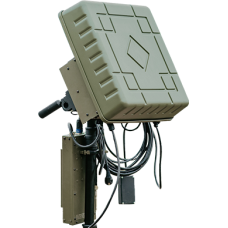
.xlsx---Populyarnі-kompleksi-REB-228x228.jpg "EW Jammer Pysets against FPV drones on 2 bands (2.4 GHz, 5.8 GHz)")
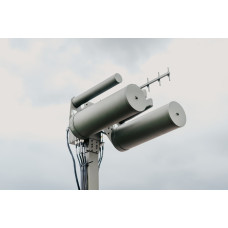
UAV countermeasure system SPR "Closed Sale"
999 999 грн.
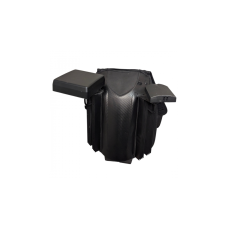
.xlsx---Populyarnі-kompleksi-REB3-228x228.jpg "EW Jammer Pysets against FPV drones, 4 bands (410-525 MHz, 720-1050 MHz)")
.xlsx---Populyarnі-kompleksi-REB5-228x228.jpg "EW Jammer Pysets against FPV drones, 4 bands (290-717MHz)")
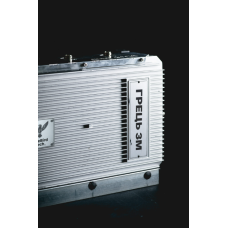
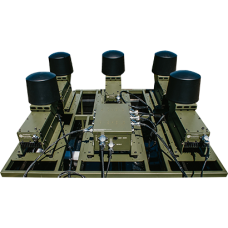
Trench & Vehicle EW Jammer Hrets 3MTSO
171 250 грн.
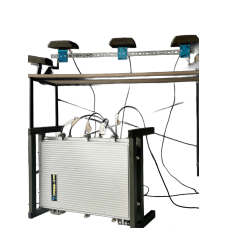
Trench/Vehicle EW Jammer Hrets 5MTSO
285 000 грн.
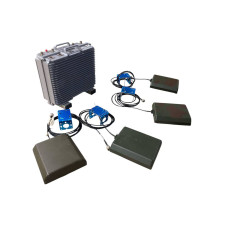
Trench/Vehicle EW Jammer Hrets 4MTSO
218 750 грн.
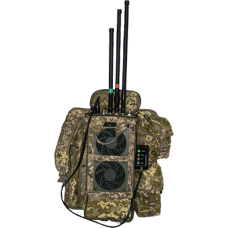
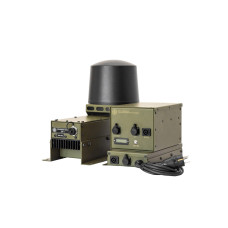
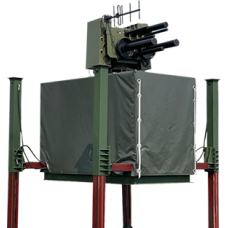
Mobile Counter-UAV System MSPBPLA-12 "Closed Sale"
999 999 грн.
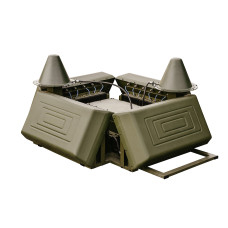
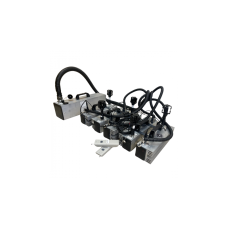
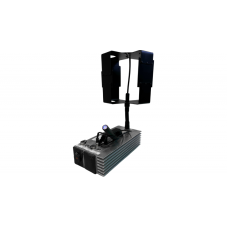
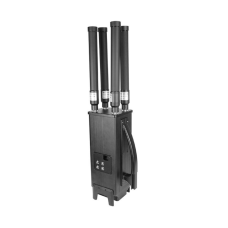
EW Jammer RX-FK01 Channel 3 (433750900) 50W
121 597 грн.
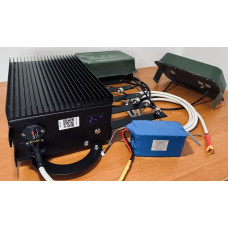
Frequently asked questions about products in this category Trench EW Systems
Trench EW is a stationary or semi-mobile electronic warfare system used to protect positions from unmanned aerial vehicles. Such devices are installed directly in the area of fortifications and work to suppress drone control and video communication channels. The main task is to reduce the effectiveness of enemy FPV and reconnaissance UAVs.
The system operates by creating radio interference in the frequency bands used by drones for control and video transmission. It generates a noise signal that disrupts communication between the operator and the UAV. Effectiveness depends on power, frequency settings, and antenna placement.
The average jamming range is usually from 1 to 5 km, depending on the system's power and terrain conditions. In open fields, the figures may be higher, while in complex terrain or urban areas, they decrease. The actual area of effect also depends on the drone type and its frequencies.
Trench EW systems typically support 3 to 10 simultaneous jamming channels. Each channel operates in a separate band, allowing for coverage of various signal types. The number of channels affects the system's ability to counter multiple drones simultaneously.
Operating time typically ranges from 2 to 8 hours, depending on the power source and load mode. This figure may decrease with continuous operation at maximum power. For stationary use, connection to external power is possible for continuous operation.
Trench EW jammers typically use batteries or generators with voltages ranging from approximately 24–220 V, depending on the configuration. For cooling, active systems with fans or combined solutions with radiators are employed. The type of system depends on the equipment's power and the duration of continuous operation.
The most commonly jammed frequencies are 2.4 GHz, 5.8 GHz, as well as 868 MHz and 915 MHz, which are widely used in drones. Some systems may additionally cover other frequencies depending on the settings. The specific set of bands depends on the equipment configuration.
The effectiveness of trench EW depends on proper installation, settings, and counter-action level. Under favorable conditions, such systems can significantly reduce the effectiveness of FPV drones and reconnaissance UAVs. The outcome is always determined by distance, frequencies, system power, and tactical application.