

Antennas
Sort By:
In stock
In stock
In stock
In stock
In stock
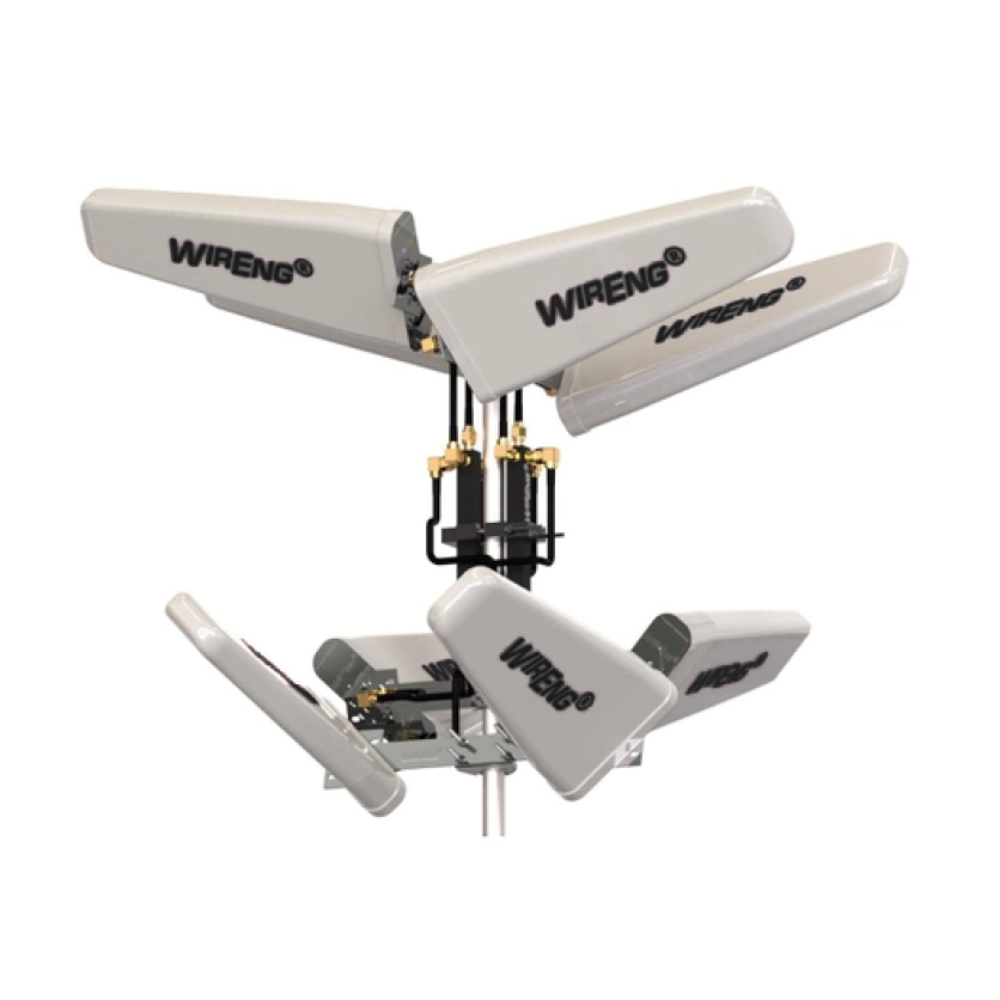
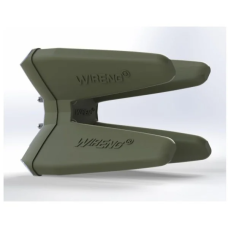
Directional Antenna Wireng QuadrAnt-I
389 400 грн.
In stock
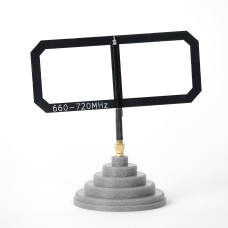
FPV Drone Control Transmitter Antenna (660 - 720 MHz) Aeronetix
930 грн.
700 грн.
-25%
In stock
In stock
In stock
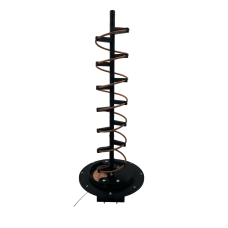
Antenna HELICAL 1.2G 11dBi 7-turn SMA
10 000 грн.
In stock
In stock

In stock
In stock
In stock
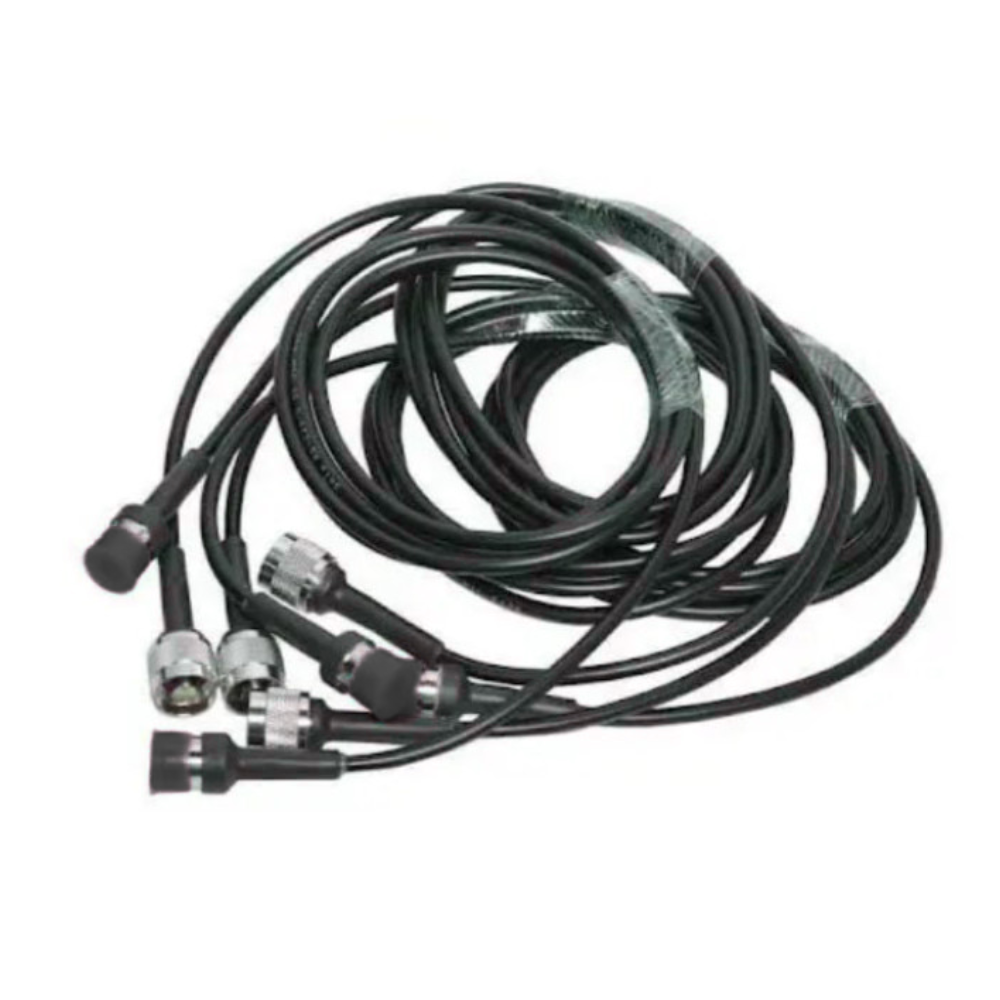
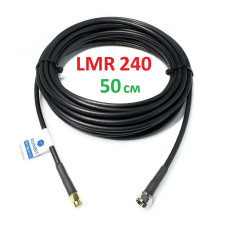
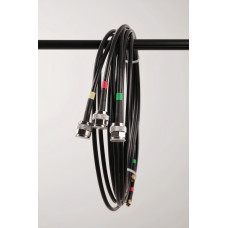
Antenna Cable, 5 meters
4 800 грн.
-228x228.jpg "Log-periodic antenna 700-1300 MHz")
In stock
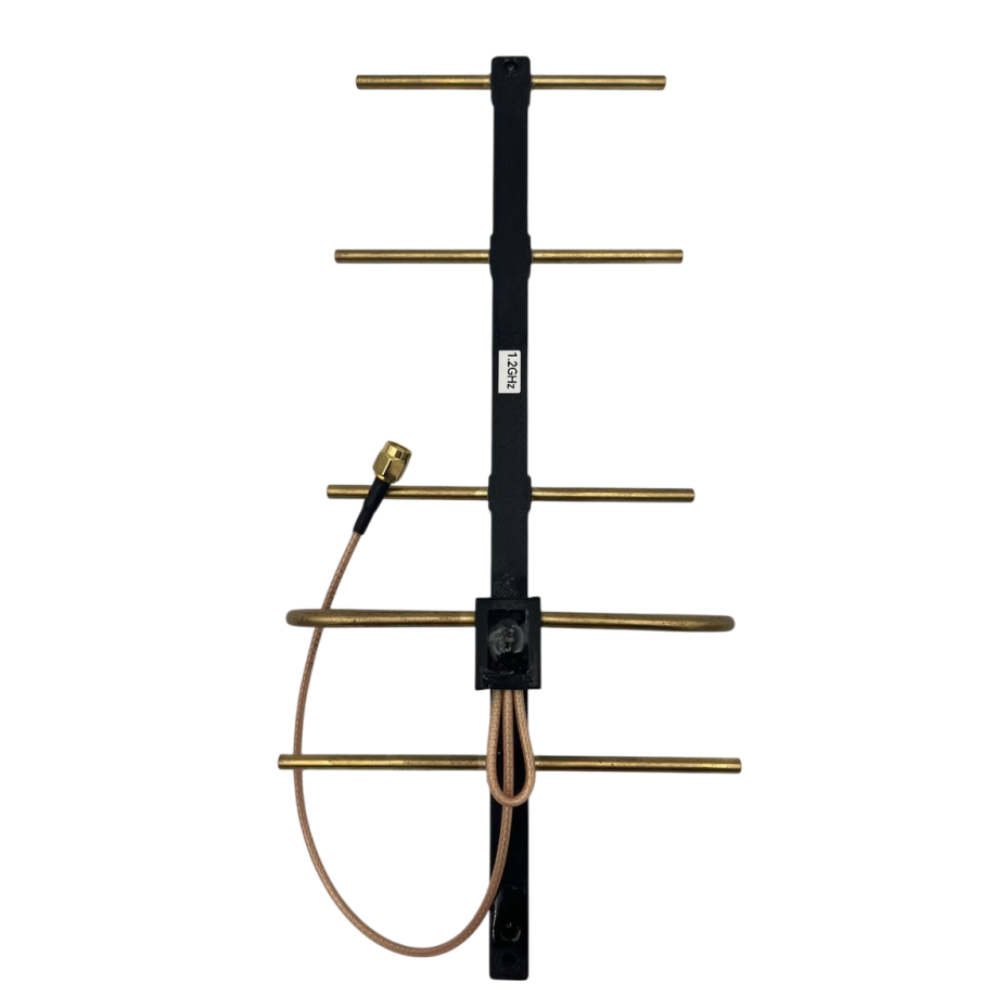
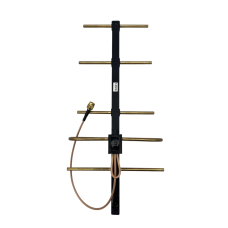
Log-periodic antenna 700-1300 MHz
3 520 грн.

In stock
Log-periodic antenna 350-650 MHz
3 850 грн.
In stock
In stock
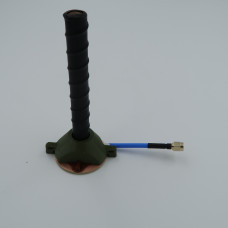
Helical 6.0-7.5 GHz RHCP 6 cm (18V)
3 080 грн.
In stock
In stock
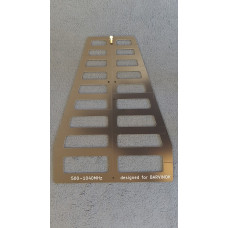
Antenna 500 MHz - 1040 MHz (1GHz) Aeronetix
1 600 грн.
In stock
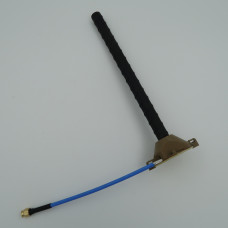
Helical 6.0-7.5 GHz RHCP 15 cm (18V)
3 080 грн.
In stock
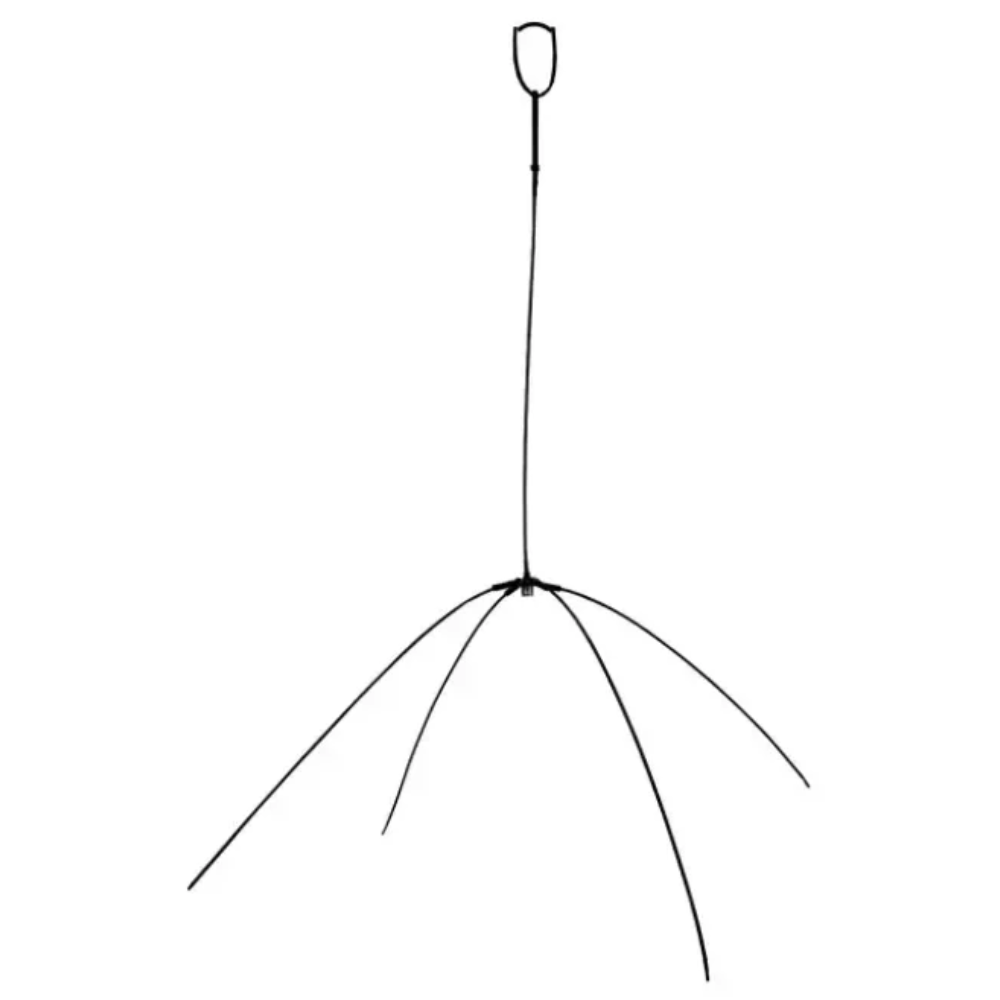
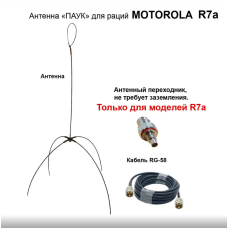
Spider antenna for Motorola R7 + 15m cable
1 020 грн.
In stock
Frequently asked questions about products in this category Antennas
An EW antenna is an element of a radio-electronic system that transmits or receives a radio signal. In EW jammers, antennas are used to emit interference in a specific frequency range or to receive signals. The type of antenna often determines the direction of emission, the effectiveness of suppression, and the operating range of the system.
The price of a military antenna depends on its type, frequency range, and design. Simple antennas for EW or drones can cost significantly less than specialized directional models for signal suppression systems. The cost also depends on the materials, gain, and intended use of the antenna.
Various types of antennas are used for military equipment, depending on the task. Among the most common are dipole, Yagi directional, Batwing sector, and quadrifilar antennas. Such solutions are used in EW systems, communication devices, and equipment for working with UAVs.
The Batwing antenna has a sectoral or wide radiation pattern. It covers a larger area around the signal source. The Yagi antenna works differently – it is directional and concentrates the signal in a specific direction, allowing for a higher gain.
Lightweight antennas with circular or semi-circular radiation patterns are typically used for drones. These are most often dipole, cloverleaf, or quadrifilar antennas. Such solutions allow for more stable communication between the drone and the operator during flight.
Coaxial cable is typically used to connect an antenna. The most common connector types are SMA, RP-SMA, or N-type. It is important to select a cable with appropriate impedance and quality shielding to avoid signal loss.
When choosing an antenna for field conditions, it is important to consider the frequency range, radiation pattern, and structural strength. Antennas for EW or communications often have a protected housing and are designed to operate in harsh weather conditions. The mounting method and cable length are also important.
The antenna itself does not block interference in the radio air. It only transmits or receives a signal in a certain direction or range. However, a properly selected EW antenna can improve signal stability or the effectiveness of an EW system.
Installing an external antenna usually takes a few minutes. You need to mount the antenna on a bracket or mast and connect the cable to the equipment.
Most antennas for military equipment are manufactured according to technical standards. They are designed to operate within specified frequency ranges and operating conditions. Safe use depends on correct connection and adherence to the manufacturer's instructions.
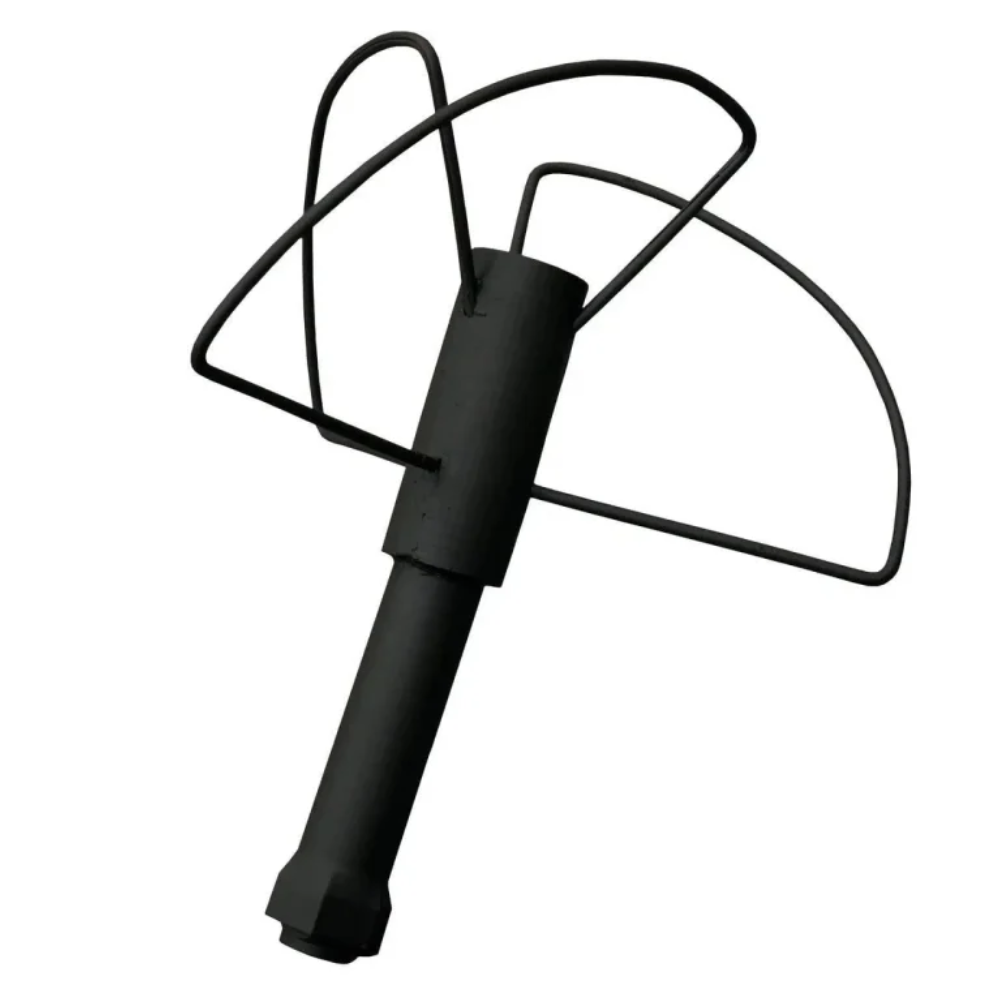
A dipole antenna has a simple two-conductor design and provides an omnidirectional radiation pattern. A quadrifilar antenna consists of several helical elements and creates a stable signal over a wide area. Such antennas are often used for receiving or transmitting signals in communication systems and UAVs.
Antennas for EW suitable for your equipment can be found on the FlashArmy military gear marketplace. You can choose EW antennas depending on the frequencies and type of system for working with radio signals. When choosing an antenna, consider the frequency range, antenna type, and compatibility with your equipment.