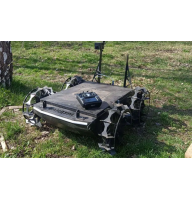
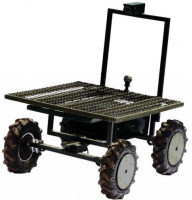
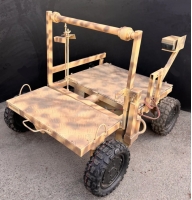
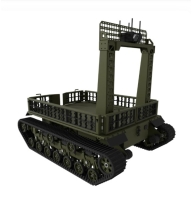
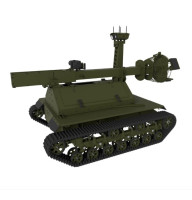
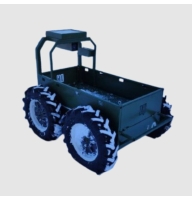
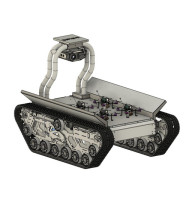
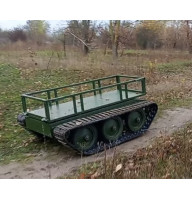
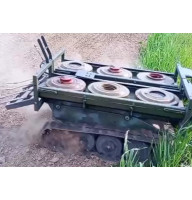
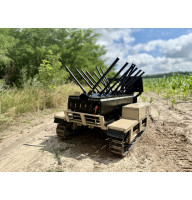
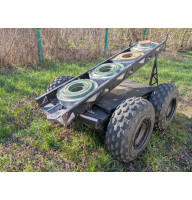
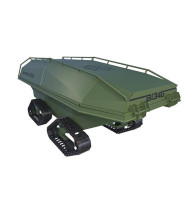
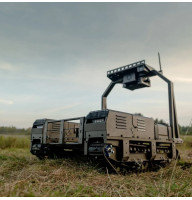
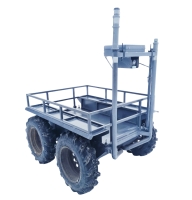
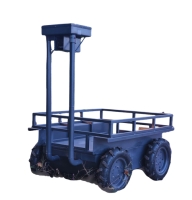
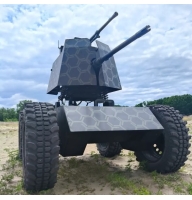
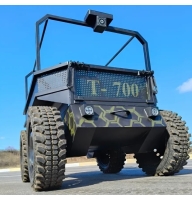
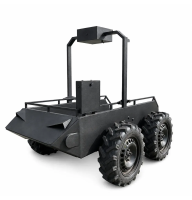
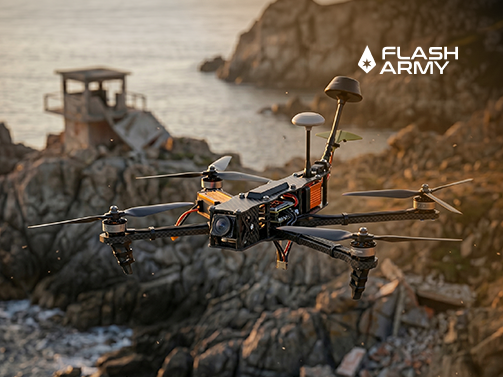
What was seen just a few years ago as a promising development is now widely used on the battlefield and has become an important part of modern military technology. These are unmanned ground vehicles (UGVs). They've come a long way — from simple platforms for transporting cargo to multifunctional systems that help save lives at the front.
However advanced these systems may be, they can't operate without an operator. These specialists are responsible for carrying out a wide range of critical tasks: delivering supplies to infantry positions, evacuating the wounded, engaging the enemy, and more. Their area of responsibility goes far beyond simply pressing buttons and moving sticks on a control panel. So what exactly is the role of a UGV operator, and what does the job involve? We cover it in this article.
Who Is a UGV Operator and What Do They Do
A UGV operator is a military specialist who provides remote control and ensures assigned tasks are carried out while staying outside the immediate danger zone.
Their responsibilities cover a fairly broad range of functions:
- preparing the UGV for operation (checking the platform's technical condition, the state of its control systems, communications, cameras, sensors, and battery charge level);
- remote operation in compliance with safety requirements;
- planning and monitoring the route;
- monitoring the surrounding environment using onboard cameras, thermal imagers, and navigation systems;
- performing basic maintenance and diagnostics on the equipment, replacing or adjusting individual components within their authority;
- maintaining a stable connection between the operator and the robotic platform.
Main Tasks of a Ground Robotic System Operator
One of the key advantages of UGVs is their versatility, which lets a single platform handle multiple tasks. Operators typically work across logistics, evacuation, engineering, reconnaissance, and other types of missions. Let's look at these in more detail.
1. Logistics and Cargo Transport
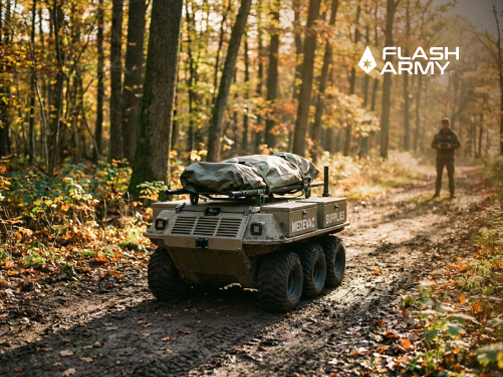
A UGV makes it easy to deliver various types of cargo to forward positions. This can include ammunition, food, water, fuel, medical supplies, engineering equipment, and other gear. Using a UGV for logistics significantly reduces the risk to people compared to, say, delivery by vehicle.
2. Evacuation Tasks
Evacuating wounded soldiers from hotspots with a UGV can also save the lives of medics and evacuation teams. The robot approaches the position, the wounded person is loaded onto the platform, secured, and transported to a safe zone, often under heavy enemy fire.
3. Remote Engineering Work
Engineering tasks include remote mining, demining, and delivering explosives to enemy positions. Robotic systems can lay minefields covertly, remaining undetected by the enemy.
4. Monitoring and Controlling the Robotic Platform
The operator must continuously monitor the UGV's technical condition and the performance of all its main systems. Using video cameras, navigation equipment, telemetry, and other sensors, they track the route (much like in a video game). If obstacles or technical malfunctions arise, the operator quickly decides whether to change course.
What Equipment a UGV Operator Uses
A UGV is a whole system that needs many components to run reliably. These include:
- the ground platform itself (tracked or wheeled);
- the control unit;
- a rugged laptop and tablet with navigation;
- onboard cameras;
- communication equipment (antennas, repeaters, and so on);
- electronic warfare protection;
- power supplies and other auxiliary equipment (batteries, chargers, connection cables).
What Skills and Knowledge a UGV Operator Needs
To learn how to operate a UGV, you need to complete the relevant specialized training. Afterward, you'll gain the knowledge and skills required for effective work, including:
- piloting skills;
- an understanding of the UGV's "anatomy";
- the ability to perform basic repairs, maintenance, and component replacement;
- knowledge of how communication systems work;
- the ability to plan routes wisely, coordinate with the team, and account for the drone's tactical and technical specifications;
- attentiveness and the ability to make quick decisions.
Specifics of Working With Unmanned Ground Systems
First, when working with a UGV, an operator has to be ready for a wide range of terrain conditions. Routes can be dirt roads, sandy terrain, snow-covered ground, or areas full of holes. For the robot to reach its target, it's essential to account for terrain features, slopes, obstacles, road surface conditions, and weather.
Don't forget about camouflage either. The constant presence of drones requires operators to stay alert and know how to camouflage effectively.
On top of that, the job is challenging because a ground drone operator has to monitor many processes at once: analyzing the video feed, working with navigation maps and telemetry, and quickly adjusting operating parameters to match the task at hand.
Given all these factors, it might seem like operating a UGV isn't for everyone. But in practice, anyone can become an operator. What matters most is a willingness to learn new skills and the ability to stay focused. A love of video games might even help a little. And you can buy proven UGVs at the Flash Army online store.