For drones, signal transmission stability is a top priority. This is precisely what antennas are responsible for, as they are a fundamental element of any communication system. The active development of unmanned technologies has led to the emergence of various types of antennas, each successfully performing its function on the battlefield.
In this context, it is worth mentioning external antennas, as their effectiveness is related not only to technical characteristics but also to the possibility of flexible placement. This significantly increases communication stability and improves signal quality.
The Flash Army team has prepared this material for everyone who wants to better understand the features of external antennas, their advantages, and areas of application. In the article, you will also find tips on how to choose them.
What are external antennas and their purpose
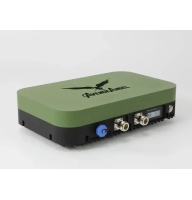
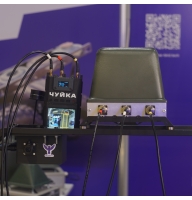
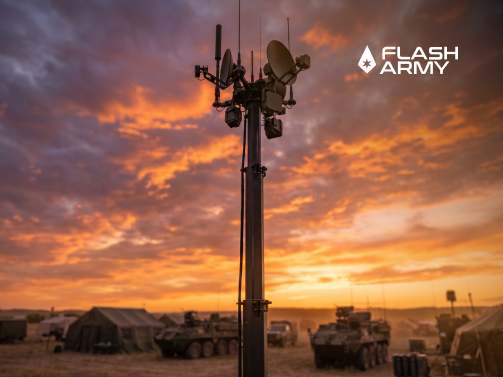
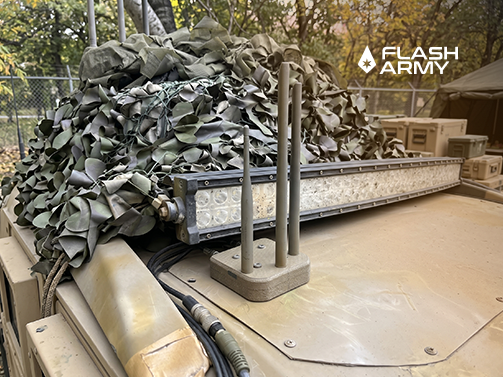
External antennas are external transceiving devices that connect to equipment (unmanned systems, two-way radios, drone detectors, etc.) via a cable and are placed outside its casing. Thus, the main difference from built-in antennas is that they can be installed in locations with better conditions for radio signal propagation (for example, within a few meters outside a shelter).
The main purpose of external antennas is to improve communication quality. They are often used specifically as signal boosters.
Design features of external antennas
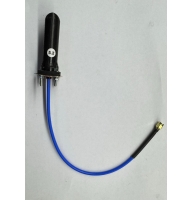
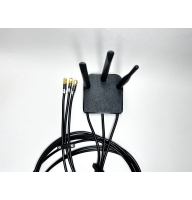
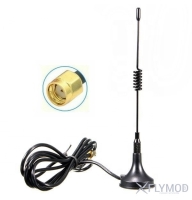
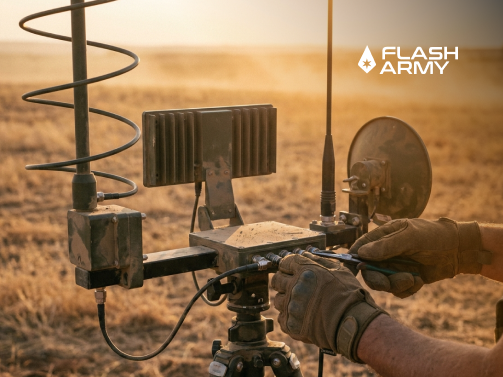
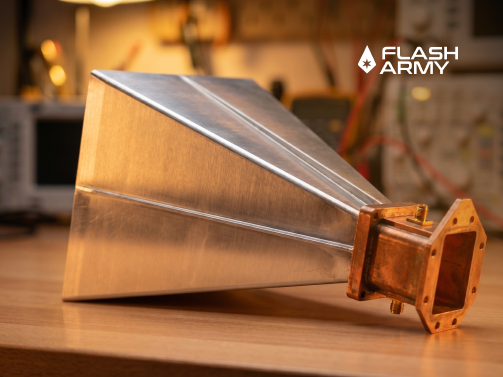
External antennas consist of the following components: radiator, cable, connectors, and mounts.
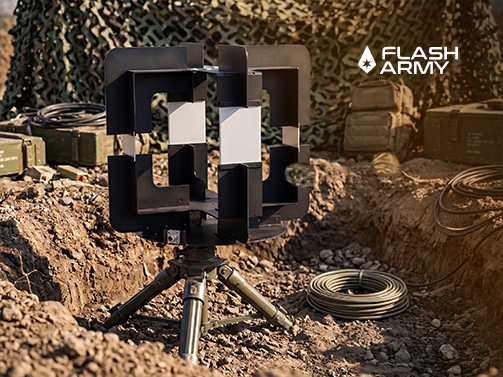
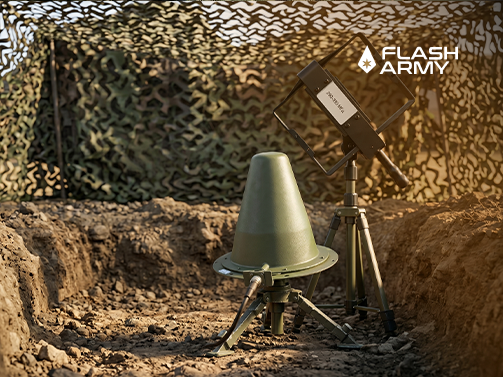
The most important part of the entire structure is the radiator, which is directly responsible for receiving and transmitting radio signals. It can come in various shapes (dipoles, patch, clover-mushroom, etc.) and types (directional, omnidirectional, etc.). These features affect the radiation pattern, polarization, and operating range of the antennas.
Another important component is the high-frequency cable with low signal attenuation, which connects the antenna to the main device. It ensures signal transmission with minimal losses, so its quality and length are critically important for the effectiveness of the entire system.
At the ends of the cable are connectors (usually N-type female), which ensure compatibility with the equipment.
The design also includes a mount. External antennas can be installed on a magnetic base, brackets, masts, or tripods. Any option is possible to find the most advantageous point for signal reception.
Main areas of application
External antennas can be considered universal, as they have a fairly wide range of applications.
Their most common use is in unmanned systems. An external antenna for a drone helps to move the receiving or transmitting element into an area with better visibility, which improves the quality of the video signal, telemetry, and control.
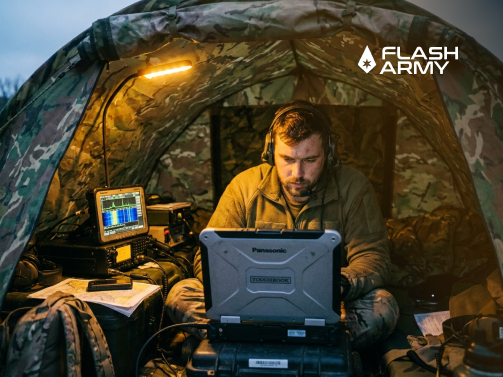
An equally important area is spectrum analyzers. An external antenna for a drone detector significantly increases the detection range of UAVs.
They are also widely used in security systems, particularly in electronic warfare and monitoring complexes in field conditions. In such cases, they help create a reliable communication channel in a complex electromagnetic environment.
In addition, in the field of navigation and satellite communication (GPS and GNSS), such antennas provide more accurate and stable signal reception, reducing the impact of shielding by buildings, vehicles, or other objects.
Advantages of using external antennas
External antennas for drones and radio devices offer a number of advantages. Let's look at them in more detail.
- Control from cover — allows the operator to remain in a safer location without losing signal.
- Increased range and communication stability — ensures an extended drone flight radius.
- Signal directionality in the desired direction improves its quality.
- Versatility — ability to work with all major frequency bands.
- Resistance to interference.
- Ease of installation.
What to look for when choosing
When choosing an external antenna, we recommend first considering the operating conditions and the tasks at hand. In addition, pay attention to:
- compatibility by frequency and connector type;
- quality and length of the coaxial cable;
- presence of protection against external influences;
- type and reliability of the mount.
Conclusion
External antennas are an important component of drone control systems, EW, and drone detectors. They are responsible for signal stability, range, and impact radius. However, their main advantage is the ability to install them outside of cover (dugout, basement, etc.). This ensures better communication, directly affecting the safety of soldiers performing tasks.
You can buy external and other antennas in the Flash Army online store. We offer options for various types of equipment: from quadcopters to drone detectors.