What is body armor?
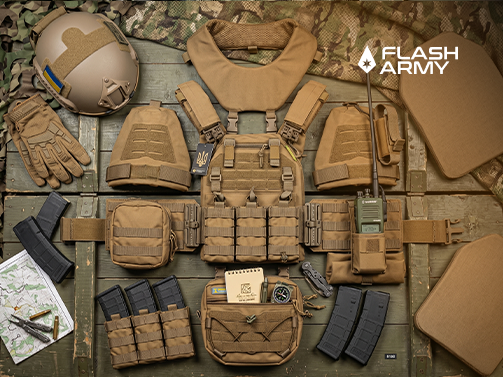
Body armor is an element of military equipment that protects a soldier's vital organs from bullets, shrapnel, and other threats on the battlefield. Its design typically includes an outer cover made of durable fabric, pockets for armor plates, a fastening system, and a soft lining. Depending on the model, various materials are used — from steel to Kevlar or UHMWPE. It's not just equipment — it's a life-saving tool.
Purpose of body armor
Body armor used in the Armed Forces of Ukraine performs several important functions: stopping bullets and shrapnel, distributing weight, and maintaining mobility. Thanks to modern materials and thoughtful ergonomics, body armor does not restrict movement and provides sufficient comfort even during prolonged wear. Depending on the threat level, a specific protection class is chosen.
Body armor classifications
Body armor classification involves division by protection levels. The most common body armor protection levels in Ukraine are classes 1 to 6 (according to DSTU and NIJ).
- Classes 1-2 — for protection against pistol rounds;
- Classes 3-4 — optimal for combat conditions;
- Classes 5-6 — against automatic and sniper rifle rounds.
When choosing body armor, it is important to consider the protection level, as its weight directly depends on it. The higher the class, the more massive the design will be. The weight of body armor, which depends on the protection class, averages from 4 to 12 kg — this is how much a set with plates and pouches weighs. So, the answer to the question of how much body armor weighs always depends on its protection level and the materials used.
Types of body armor by design and wearing method
When answering the question of how to choose body armor, it is important to understand which type of body armor suits you. The following types exist:
- Soft (Kevlar, aramid) — lighter, for patrolling or rear areas;
- Hard (plate carriers with ceramic or steel plates) — for the front line. It is also important to understand the difference between body armor and a plate carrier: the latter is a modular system into which plates are inserted. A plate carrier is convenient for weight distribution, as it allows for attaching additional equipment.
How to properly wear body armor
For body armor to protect effectively, it needs to be adjusted correctly.
- Put it on so that the top of the plate is at the level of your collarbones.
- Fasten the side straps snugly, but without discomfort.
- Check that the plate covers the sternum and part of the abdomen.
Consider how long body armor can be worn: comfortable weight and ventilation allow it to be worn for up to 8–10 hours, but longer if necessary.
You can choose the best body armor on the Flash Army website. Here you will find only certified, tested body armor with proper ballistics, protection, and comfort specifically for your tasks — from basic patrol to the front line.