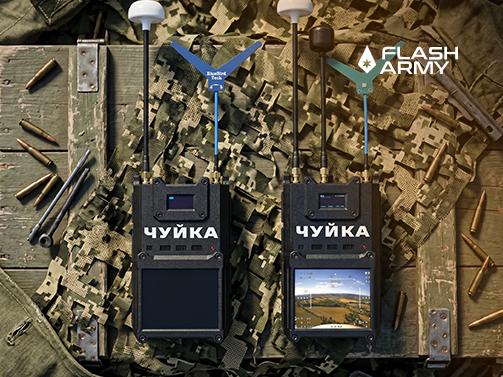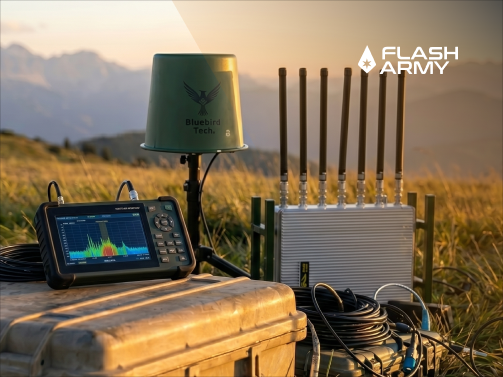
Electronic reconnaissance (SIGINT) has today become an integral part of working with information in an environment where almost everything is transmitted via signals. Mobile communications, wireless networks, control systems, and drones create a constant flow of data in the radio spectrum. And if one knows how to work correctly with this flow, a lot of useful information can be obtained without direct contact with the object.
This is precisely what SIGINT is based on. In the military sphere, it helps track equipment and communication activity; in the civilian sphere, it helps control the radio frequency spectrum, find signal sources, and analyze the operation of various systems. The more devices operating in the air, the more relevant such tools become.
This article was prepared by the Flash Army team for military personnel, technical support specialists, and everyone who works with the radio spectrum and signal control systems. The material will help you understand what electronic reconnaissance is, how it works, what tasks it solves, and how to navigate different types of SIGINT systems.
What is SIGINT
SIGINT (signals intelligence) is a set of methods and technical means used to search, intercept, and analyze signals in the radio frequency range.
Simply put, it is a way to "listen" to the air and understand what is happening in it. Any device that transmits a signal leaves a certain "trace." The task of SIGINT is to find this signal, determine its characteristics, and draw conclusions about the source.
These can be:
- communication channels;
- control systems;
- transmitters of various types;
- UAVs and their video or control channels;
- other electronic devices.
An important point is that SIGINT does not interfere with the operation of these systems. It only analyzes what is already in the air. That is why this approach is considered an effective and safe way to collect information.
Where electronic reconnaissance is used
The scope of SIGINT is quite wide and is not limited to military tasks only.
Most often, it is used in the following areas:
- security and defense — for detecting communication activity, equipment operation, or UAVs;
- airspace control — in particular, for recording UAV signals;
- object protection — monitoring the air around important infrastructure points;
- radio frequency monitoring — controlling spectrum loading and searching for extraneous signals;
- technical analysis — evaluating the operation of various communication systems.
In many cases, SIGINT is used as a warning tool — it allows activity to be noticed even before it becomes visually apparent.
Principles of SIGINT operation
The operation of electronic reconnaissance can be conditionally divided into three stages: signal search, their analysis, and subsequent information processing.
Signal detection and interception
The first step is scanning the radio spectrum. The system goes through different frequencies and records any activity. At this stage, SIGINT often complements the work of detection systems, such as drone detectors, which allows for faster and more accurate determination of UAV activity in the air.
Analysis of the electronic environment
Once a signal is found, a deeper analysis begins. The system or operator tries to determine what the signal is and where it comes from.
At this stage, the following can be determined:
- device type;
- nature of operation (constant or periodic signal);
- channel purpose — for example, control or video transmission;
- intensity of use.
Over time, patterns can be noticed — for example, when a signal appears, how long it operates, and how it changes. The obtained data can be used together with EW systems to form further actions — from monitoring to influencing communication channels.
Information transmission and processing
All collected information is transmitted to the operator or to the control system and displayed in a convenient form.
These can be:
- spectral graphs;
- activity maps;
- coordinates of signal sources;
- analytical reports.
In modern systems, part of this process is automated, which allows for faster reception of ready information for decision-making.
Main types and systems of SIGINT
Depending on the tasks and conditions of use, electronic reconnaissance systems can vary greatly.
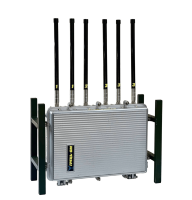
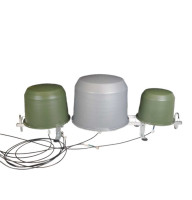
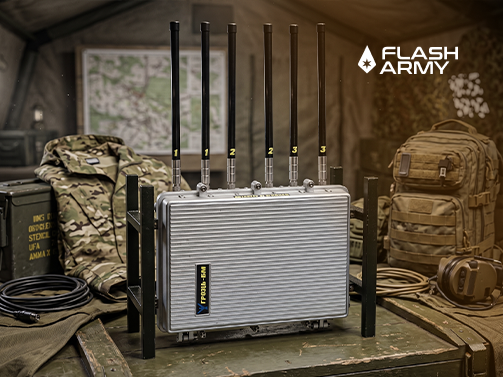
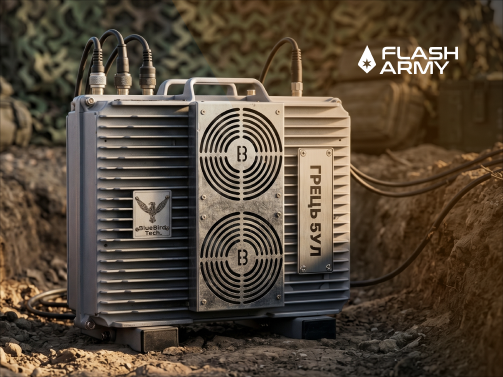
Stationary complexes
These are complexes that are installed in permanent positions; they operate continuously and cover large areas. Typically, such systems have:
- a wide frequency range;
- high sensitivity;
- the ability to process large amounts of data.
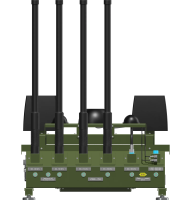
Mobile platforms
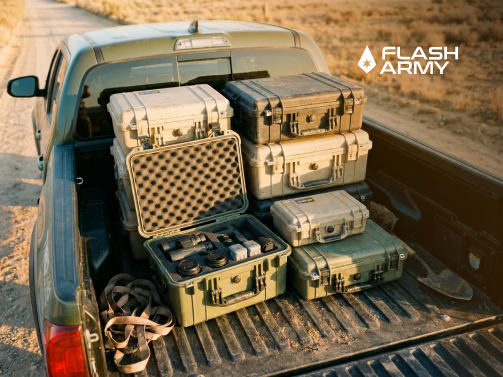
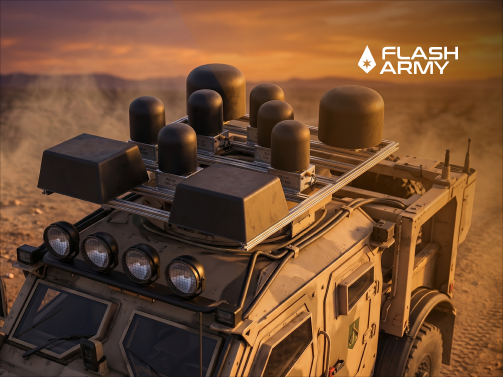
Mobile systems are installed on vehicles or in portable complexes. They allow for quick changes of location. This is convenient when:
- the situation changes frequently;
- it is necessary to work at different points;
- it is not possible to install a stationary system.
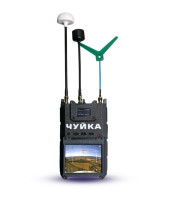
Portable systems
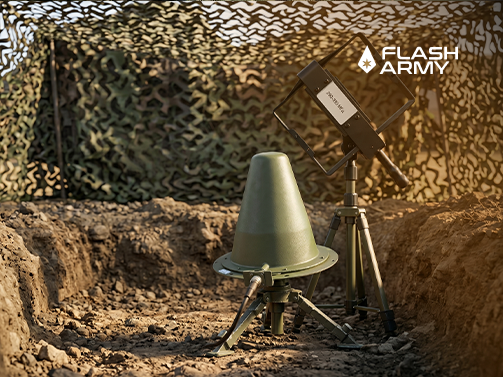
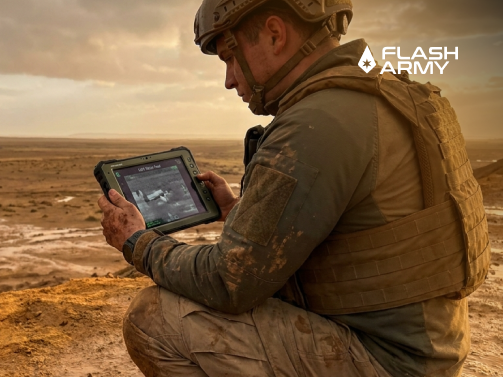
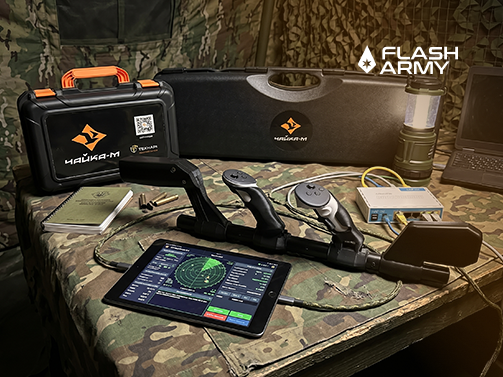
The most compact option is portable devices. They are easy to use and quick to launch. Such solutions are suitable for:
- local monitoring;
- on-position work;
- rapid signal detection.
Although their capabilities are limited compared to larger systems, they are convenient for daily work.
Advantages and capabilities of SIGINT
Electronic reconnaissance provides several important advantages.
Increased situational awareness
It allows for seeing activity in the air that cannot be determined visually. This provides more information for assessing the situation.
Frequency spectrum control
SIGINT helps track how the radio frequency spectrum is used. This is important for stable communication and avoiding interference.
Support for operational decision-making
Since data is received in real time, the operator can quickly react to changes. This is especially important in conditions where the situation can change very quickly.
Conclusion
Electronic reconnaissance is a way to work with information already in the air and convert it into understandable data. It does not require direct contact with the object and at the same time provides a fairly accurate idea of what is happening.
In short, SIGINT is about controlling, analyzing, and understanding signals around us. And the more technologies surround us, the more important such tools become.
You can familiarize yourself with equipment for working with the radio spectrum and purchase suitable solutions on the Flash Army marketplace — the catalog presents systems for various conditions and usage scenarios.