

Drone Components & Parts
Sort By:

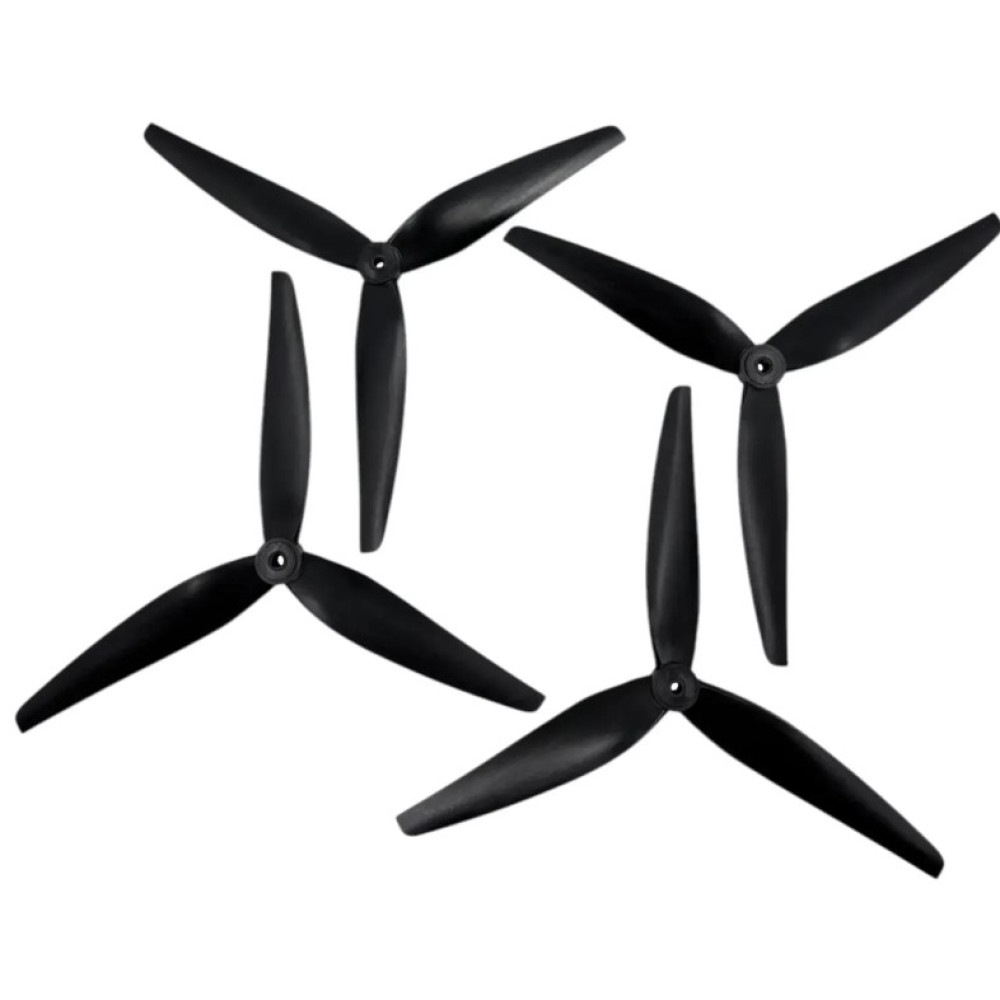
HQProp 7X4X3 Tri-Blade Propellers
170 грн.
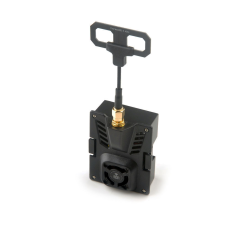

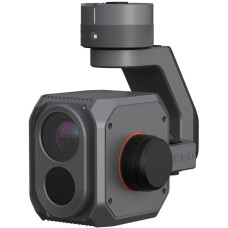
Thermal Camera Yuneec E20Tvx
193 600 грн.
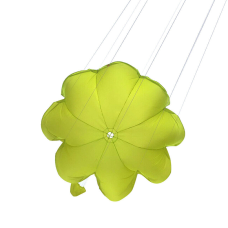
Nylon Parachute ZMR 8-10KG for UAVs
4 950 грн.
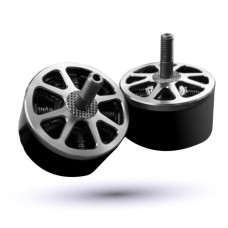


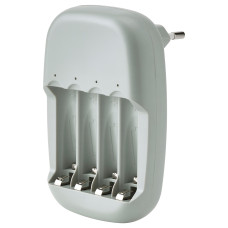
IKEA stenkol Charger
297 грн.
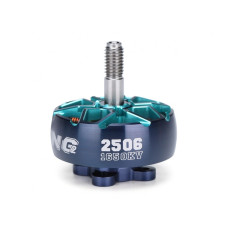
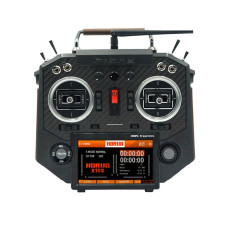
FrSky Horus X10S Express Radio Apparatus
25 080 грн.
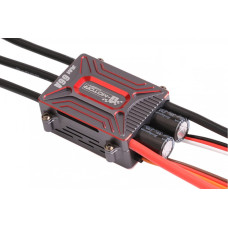
T-Motor AM66A + AM Link 3D ESC
7 942 грн.

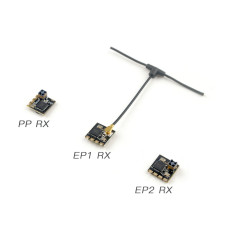
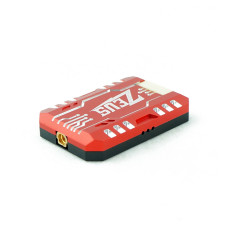
Video Transmitter HGLRC Zeus VTX PRO 1.6W
2 393 грн.
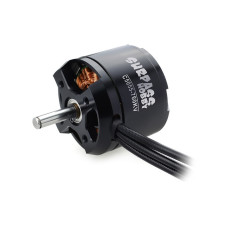
Motor Surpass Hobby C5055 760KV
1 980 грн.

Frequently asked questions about products in this category Drone Components & Parts
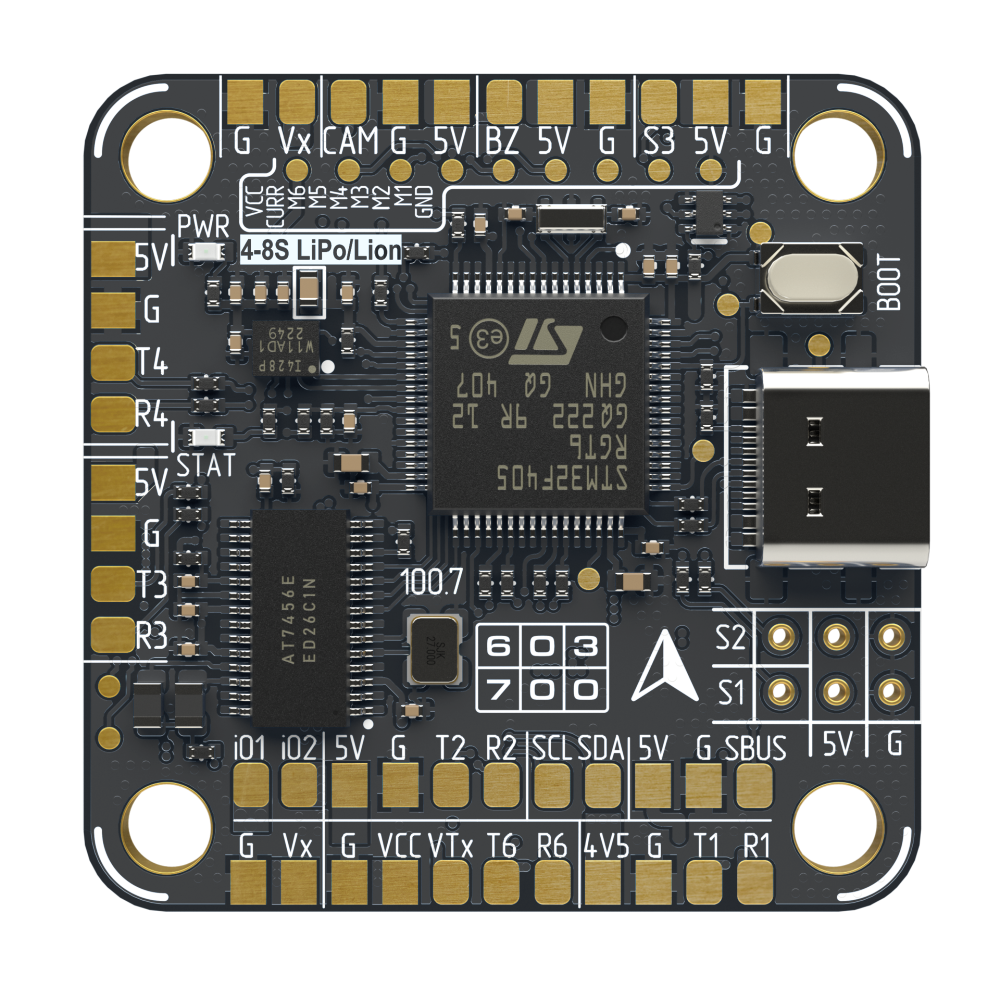
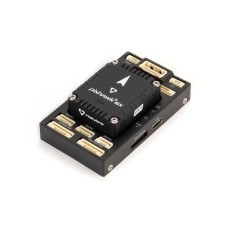
To assemble an FPV drone, a basic set of parts responsible for flight, stabilization, and video transmission is required. Drone components typically include a frame, motors, electronic speed controllers (ESCs), a flight controller, propellers, a battery, an FPV camera, and a video transmitter. All these FPV components work together: the motors generate thrust, the controller maintains stability in the air, and the camera with the transmitter allows the operator to see the drone's real-time video feed.
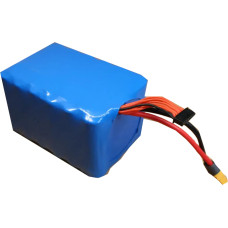
Most FPV drones use lithium-polymer (LiPo) batteries because they provide high current output and are suitable for powerful motors. The specific option is chosen based on the drone's weight, motor power, and compatibility with other drone components. Most often, 4S or 6S batteries are used – they allow drone components to operate stably and provide a good balance between power and flight time.
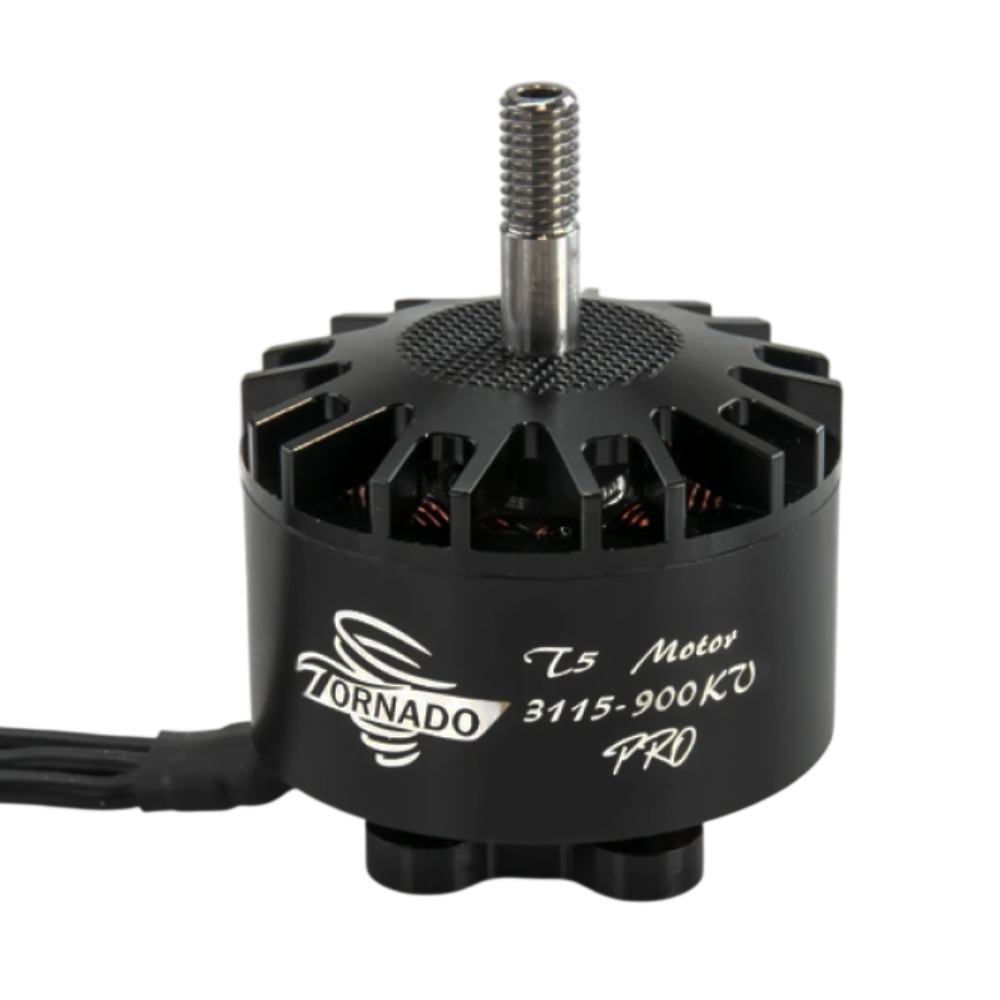
The main difference between these motors is in their design and operational efficiency. Drone components mostly use brushless motors because they are more powerful, last longer, and handle loads better. Brushed motors are usually installed in small or training models, whereas FPV components almost always run on brushless motors.
Flight stability largely depends on correctly selected propellers. Drone components are usually made with two-blade or three-blade propellers from durable plastic or composite materials. For FPV drones, three-blade models are popular because they provide better air control and help FPV components work stably even during sharp maneuvers.
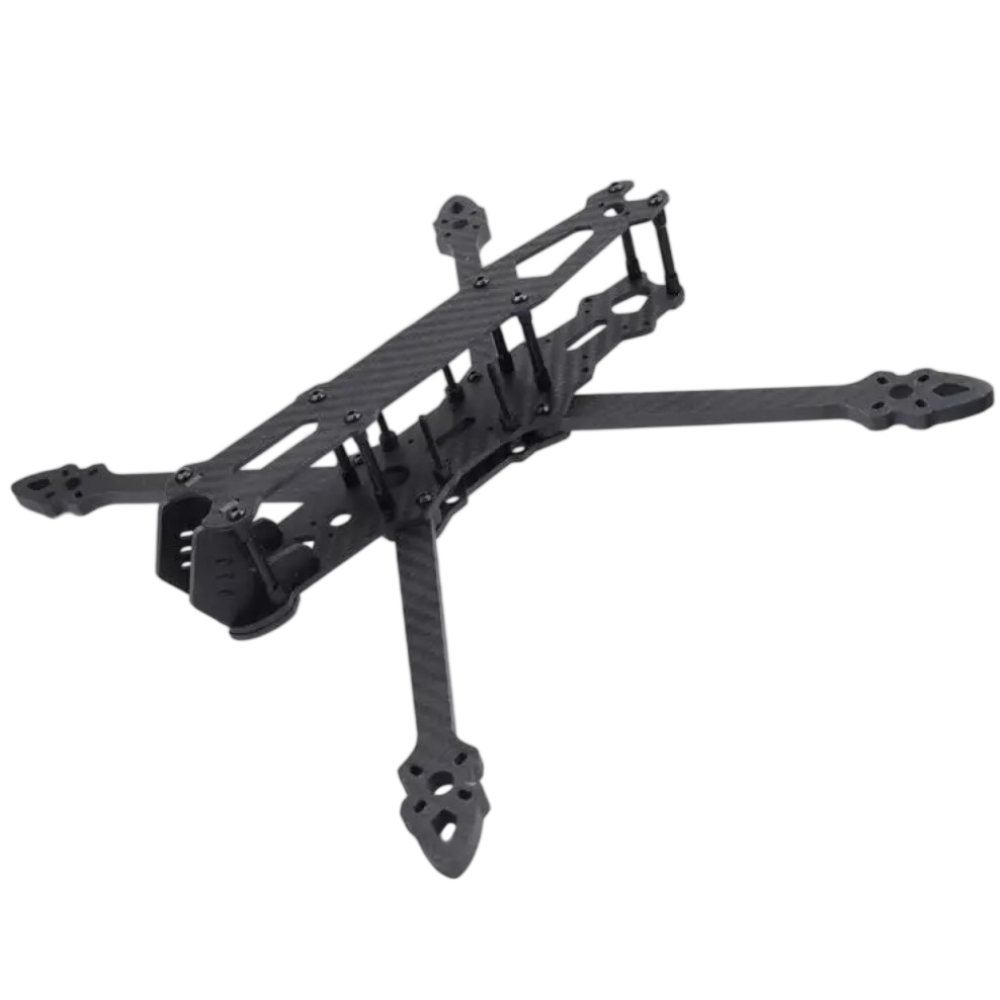
Most often, drone frames are made of carbon fiber. This is a lightweight and very durable material that withstands vibrations and loads well during flight. In some designs, drone components may be supplemented with aluminum or composite parts – these make the frame more rigid and help it better maintain its shape.
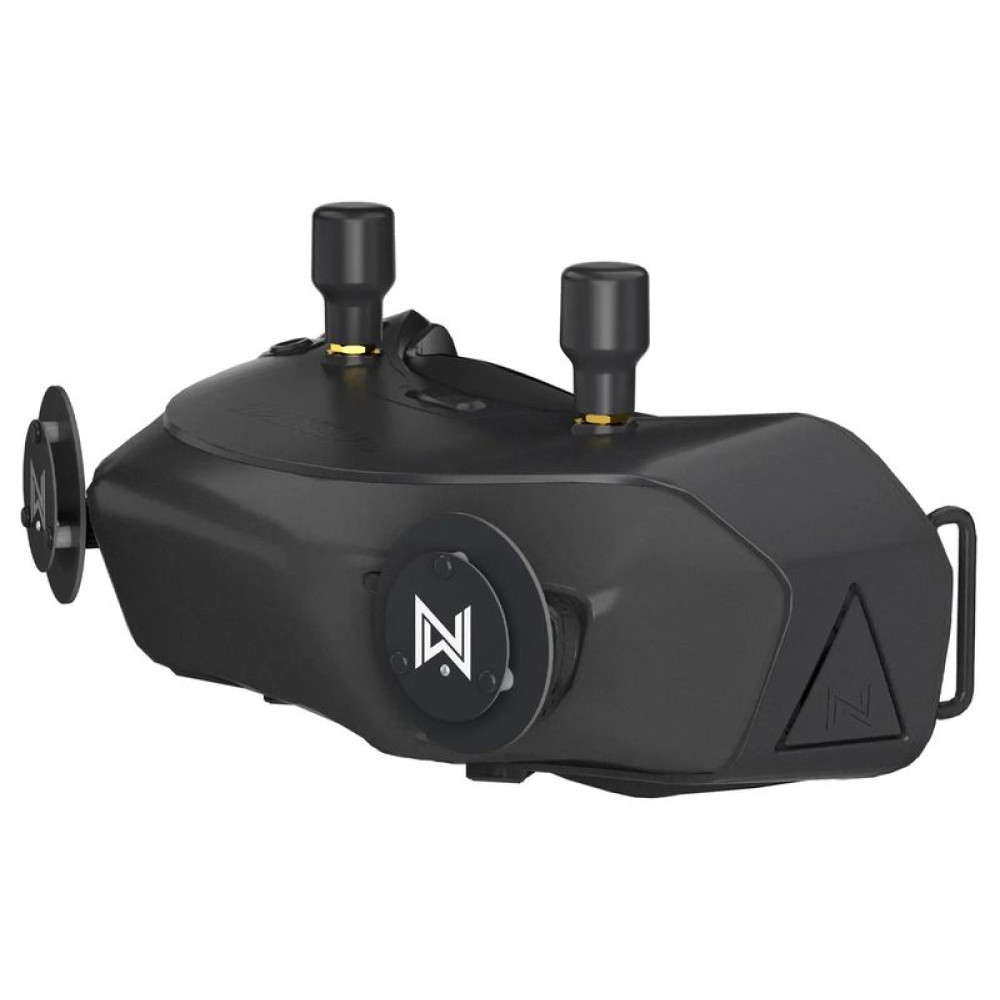
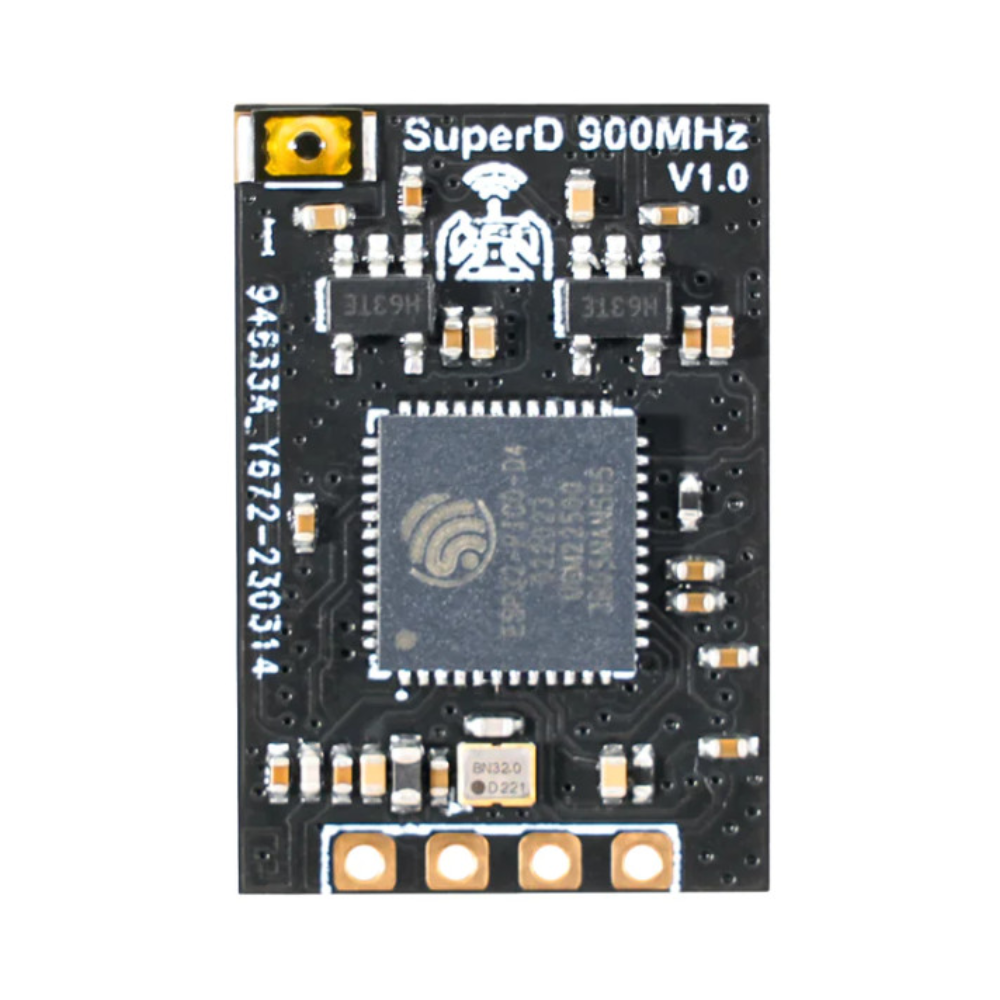
For FPV flights, special cameras with minimal signal delay are used. They work in conjunction with video transmitters (VTX), which transmit the image to the operator's goggles or monitor. Such FPV components allow real-time video control of the drone, and modern drone components often support various signal frequencies and the ability to change transmitter power.
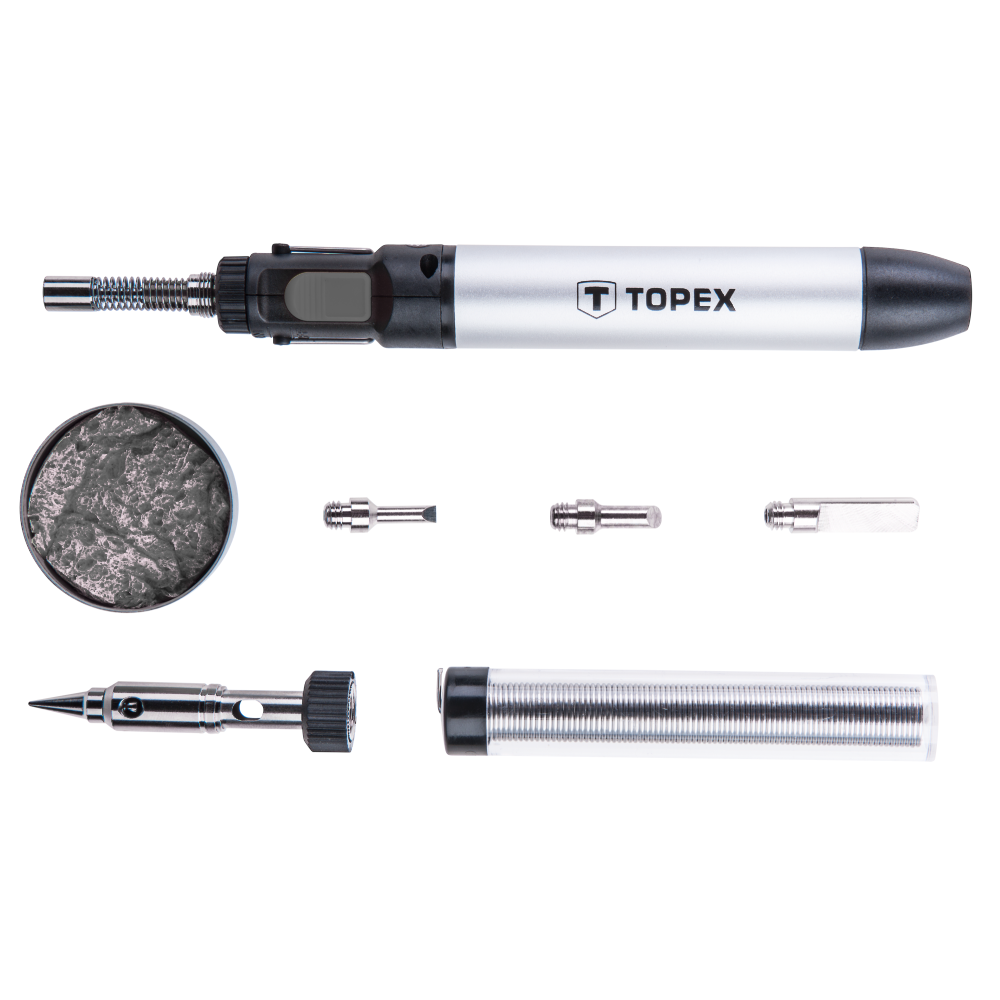
In many cases, a drone can be repaired independently if you have basic tools and are careful when working with electronics. Most drone components have a modular design, so individual elements can be resoldered or replaced without completely disassembling the system. The main thing is to correctly connect the contacts and check the operation of the drone components before the next launch.
In addition to main components, drones are often supplemented with various useful accessories. Such drone components include antennas, GPS modules, propeller guards, LED lighting, or camera mounts. In FPV systems, drone components may also include antennas with amplified signals, which help transmit video more stably during flight.
Drone components can be purchased at the FlashArmy military equipment marketplace. There are various drone spare parts available – motors, speed controllers, flight controllers, cameras, and other system elements that you can choose to suit your needs. Before purchasing, it is advisable to check component compatibility, platform type, and equipment operating characteristics.