

Military Patch Antennas
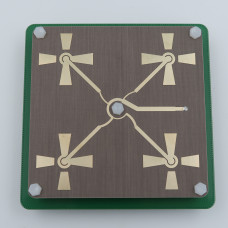
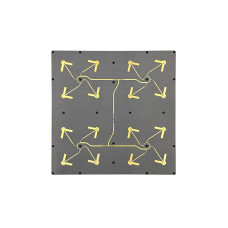
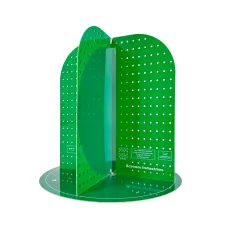
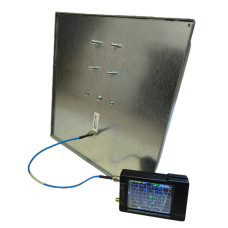
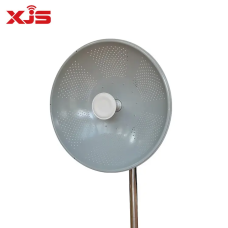
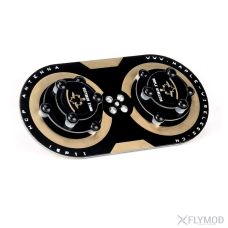
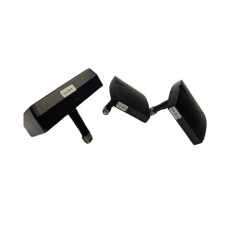
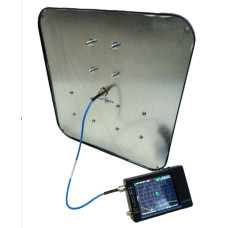

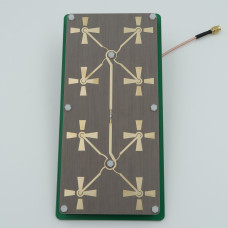
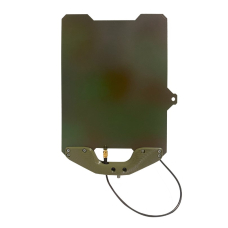

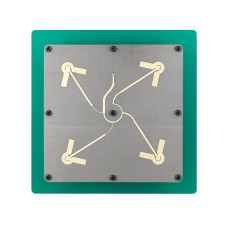

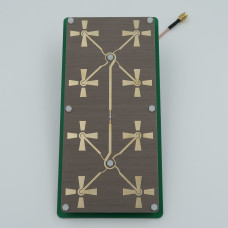
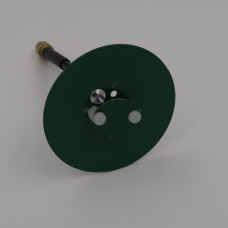
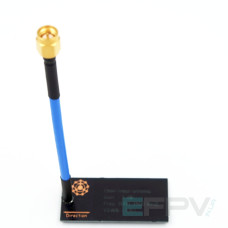
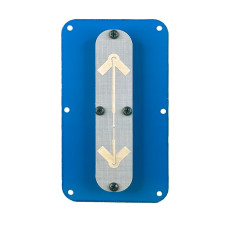
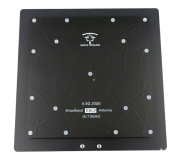
What are patch antennas?
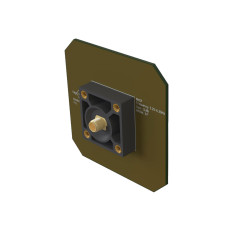
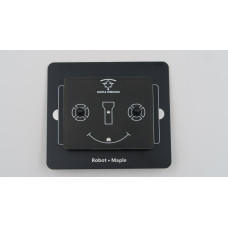
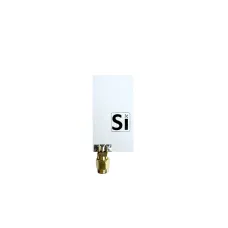
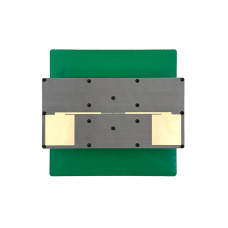
Patch antennas are compact, flat, directional antennas that provide stable communication over medium and long distances. They are widely used in the military, particularly with receivers, transmitters, and VTX modules, where signal reliability and minimal loss are crucial.
Purpose of patch antennas
The main task of patch antennas is to transmit and receive signals in a precisely defined direction. This increases communication range and quality, and reduces the impact of interference and noise. Such antennas are actively used in drones, communication systems, and military equipment.
Key characteristics of patch antennas
- Frequency range. Determines the frequencies at which the antenna can operate with maximum efficiency.
- Polarization. Important for compatibility with the receiver and transmitter.
- Signal gain. Measured in dBi and affects communication range and stability.
- Beam angle. The narrower it is, the stronger and more precise the signal in a specific direction.
How to choose a patch antenna?
To choose the right patch antenna, consider:
- Purpose. For stationary communication, use with drones, or other mobile devices.
- Frequency range. Must match your transmitter or VTX module.
- Beam angle. Choose based on what is more important: range or wider coverage.
- Polarization direction. Vertical or horizontal compatibility ensures signal stability.
- Material and weight. For drones, lightweight solutions are important; for stationary systems, strength and protection.
Where to buy patch antennas?
You can find high-quality patch antennas at Flash Army. Here you can choose antennas with the necessary characteristics, compatible with various receivers, transmitters, and VTX modules. All products come with a quality guarantee, a fair manufacturer's price, and fast delivery across Ukraine.
- Brand: Aeronetix Patch Antennas Armorum Pro Patch Antennas BlueBird Patch Antennas Coalas systems Patch Antennas DigiQ RF Patch Antennas Echopraxy Patch Antennas EFPV Patch Antennas Maple Wireless Patch Antennas RushFPV Patch Antennas Sakura Patch Antennas Scream Industries Patch Antennas SKIF Patch Antennas StingBee Patch Antennas ZAVADA Patch Antennas
- Frequency range: Patch Antennas 1-1000 MHz Patch Antennas 1001-2000 MHz Patch Antennas 2001-3000 MHz Patch Antennas 3001-4000 MHz Patch Antennas 4001-5000 MHz Patch Antennas 5001-6000 MHz Patch Antennas 6001-7000 MHz Patch Antennas 7001-8000 MHz Patch Antennas 9001-10,000 MHz Patch Antennas 10,001-11,000 MHz Patch Antennas 11,001-12,000 MHz
- Reinforcement, DBI: Patch Antennas 2.8 dBi Patch Antennas 3 dBi Patch Antennas 6.2 dBi 7 dBi Patch Antennas Patch Antennas 9.5 dBi Patch Antennas 10.4 dBi Patch Antennas 10.9 dBi 13 dBi Patch Antennas Patch Antennas 13.3 dBi 14 dBi Patch Antennas Patch Antennas 14.4 dBi Patch Antennas 15.8 dBi 16 dBi Patch Antennas Patch Antennas 17 dBi Patch Antennas 19.5 dBi Patch Antennas 20 dBi
- Beam angle: Patch antennas with 15° beam angle Patch antennas with 16° beam angle Patch antennas with 29° beam angle Patch antennas with 30° beam angle Patch antennas with 54° beam angle Patch antennas with 96° beam angle
- Material: Composite Patch Antennas Plastic Patch Antennas
- Main frequencies: Patch Antennas 0.9 GHz Patch Antennas 1.2 / 1.3 GHz Patch Antennas 2.4 GHz Patch Antennas 3.3 GHz Patch Antennas 4.3 GHz Patch Antennas 4.9 GHz 5.8 GHz Patch Antennas Patch Antennas 6.5 GHz Patch Antennas 7.2 GHz Patch Antennas 9.5 GHz 12 GHz Patch Antennas