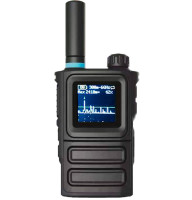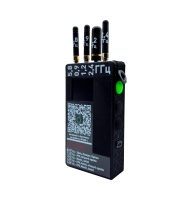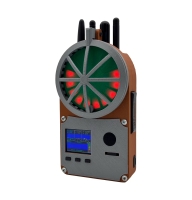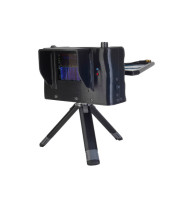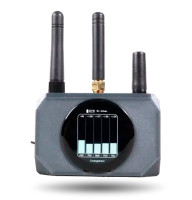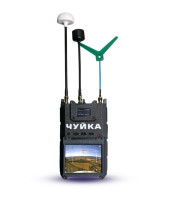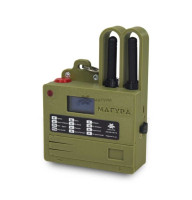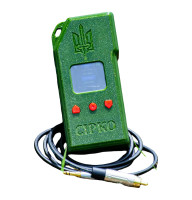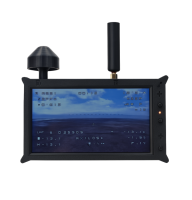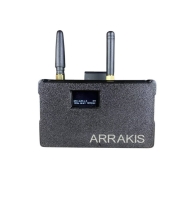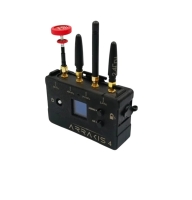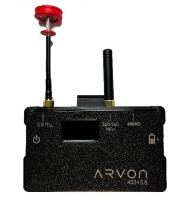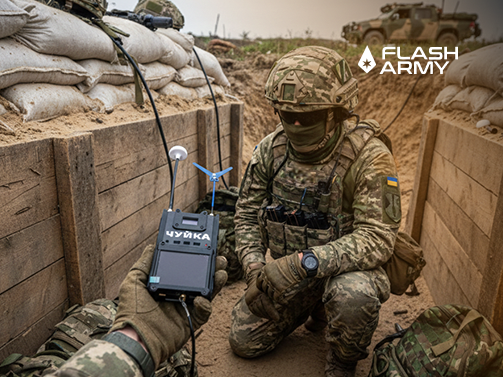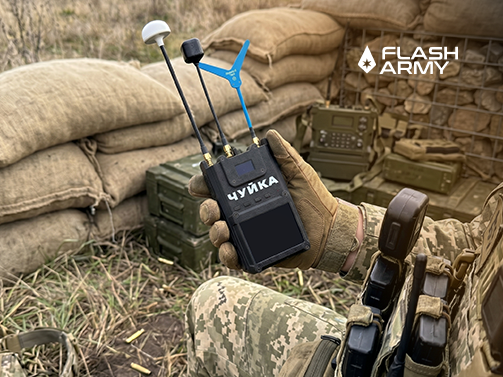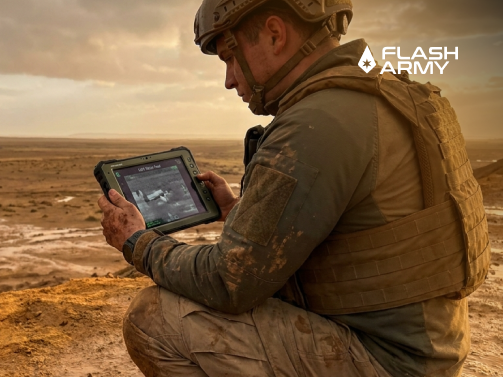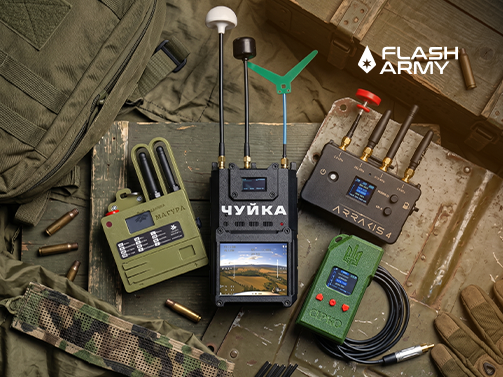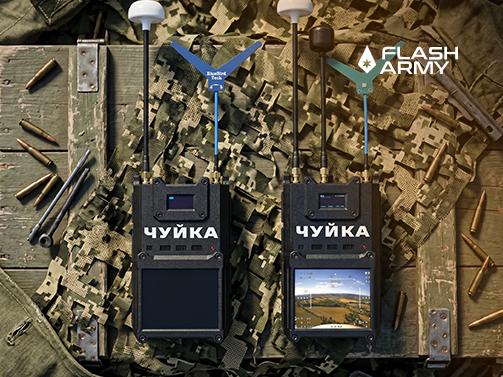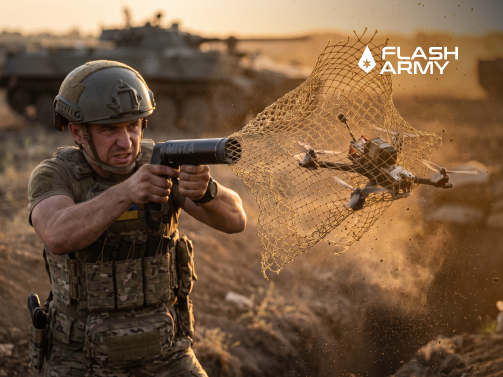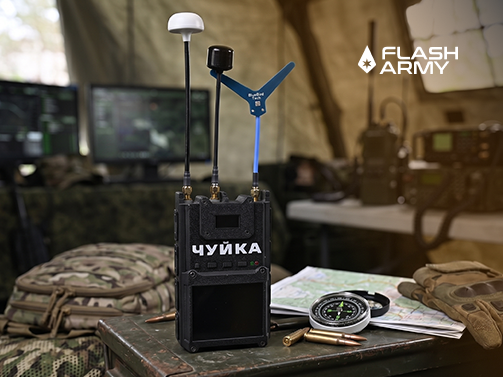
With the development of unmanned systems in military affairs, there arose a need for new technologies that can ensure the proper operation of drones, their detection, or their downing. A specific tool or complex of tools is responsible for each of these processes. For example, drone detectors are often used to detect UAVs. We will discuss them in this article.
Drone detectors are electronic devices used to detect and warn of approaching drones and FPV drones in a certain area. Such systems allow for timely identification of drone presence, determination of movement direction, type of aircraft, and prediction of potential threats they pose. Early detection can increase the effectiveness of subsequent military actions and save critical infrastructure, equipment, positions, and even people from hits. Therefore, they play an increasingly important role in ensuring control over airspace.
This material was prepared by the Flash Army team. In it, you will learn why drone detectors are needed, how they work, what characteristics they have, and how to choose them correctly.
Why drone detectors are needed
First and foremost, drone detectors are used by the military to detect enemy UAVs at positions, command posts, or during personnel movement.
However, they are used not only in the military sphere but also in the civilian and security sectors. Thus, they can be useful for controlling the airspace of strategic objects, airports, critical infrastructure, or venues for mass events. Such a drone analyzer creates a protective perimeter that allows tracking any activity in the air.
In the field of safety and security, they are used for continuous monitoring of the territory and preventing unauthorized entry into private or strategically important facilities.
Thus, such detectors are used as separate devices or integrated into complex counter-drone systems.
Principle of operation of drone detectors
Most drone detectors operate based on radio frequency scanning. The detector monitors the air, searching for specific control, telemetry, or video transmission signals coming from the drone or remote control. Software compares the detected frequencies with a database of signals, allowing to determine their origin and establish whether they are related to a drone. If signals indicating the presence of a UAV are detected, the detector provides an audible or visual alert. This allows for prompt detection of the threat and quick response to it.
Such detectors do not emit their own signals, which makes them invisible to the enemy. It is important to remember that they cannot affect the movement and controllability of the drone. Their main function is to scan the airspace and timely identify the source of the highest radio signal activity.
In addition to the radio frequency scanning principle, UAV detectors can operate using acoustic (sensitive microphones), thermal imaging (thermal sensors), and optical (cameras) recognition.
Key characteristics for effectiveness
The effectiveness of drone detectors has been proven in field conditions. Let's consider some technical parameters that affect their operation.
Detection range
The detection range indicates the distance at which the system can detect a drone. This value can vary but usually does not exceed 5 km.
The range is affected by terrain conditions, presence of obstacles, additional sources of radio signals, level of electromagnetic noise, and the drone's signal strength. The stronger the drone's signal, the easier it is to detect.
Frequency bands
Most models provide scanning of 1.2 GHz, 2.4 GHz, 3.3 GHz, and 5.8 GHz frequency bands, as almost all FPV drones and DJI Mavic operate on them.
Sensitivity and accuracy
Devices often have a sensitivity of about -100 dBm. The better this indicator, the weaker the signals the FPV detector sees.
Some models have the function of recognizing the type of drone, possible threats, and even the flight path. They are also capable of accurately scanning the specified frequency bands in a few seconds and minimizing false alarms.
Recommendations for selection
Before buying a drone detector, you need to consider the following aspects:
- Main tasks and conditions of use. For field conditions, it is advisable to choose compact portable devices with long battery life and the possibility of quick deployment. A wrist-worn option allows you to carry the device with you at all times. If the task involves video signal analysis, you need to consider models with extended functionality (for example, with the ability to intercept video).
- Interface convenience and alert method. The system should quickly and clearly inform about a threat (with audible, visual, or vibratory signals).
- The frequency range supported by the device. The wider the spectrum it covers, the more types of drones it can detect.
- Radio frequency scanning speed. Since a drone's signal can be unstable or short-lived, slow scanning increases the risk of losing it.
Conclusion
Drone detectors are an important tool in modern counter-UAV systems, ensuring timely drone detection and enhancing airspace control. Their use allows for prompt response to potential threats that may arise in both military and civilian environments.
A drone detector helps not only to detect a signal but also to better understand the situation in the air. This makes it possible to quickly assess risks and make decisions regarding downing or intercepting a drone.
The effectiveness of such devices is determined by the totality of their technical features: operating range, number of frequency bands, sensitivity, and scanning speed. The better these indicators, the more versatile drone detectors become in the process of detecting aerial threats.
You can familiarize yourself with available models of drone detectors from the best manufacturers in the Flash Army online store. The website presents options suitable for any tasks and conditions of use.