

Drones and Quadcopters for the Armed Forces of Ukraine
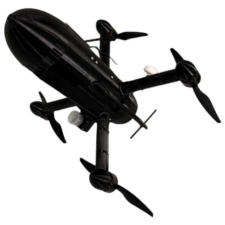
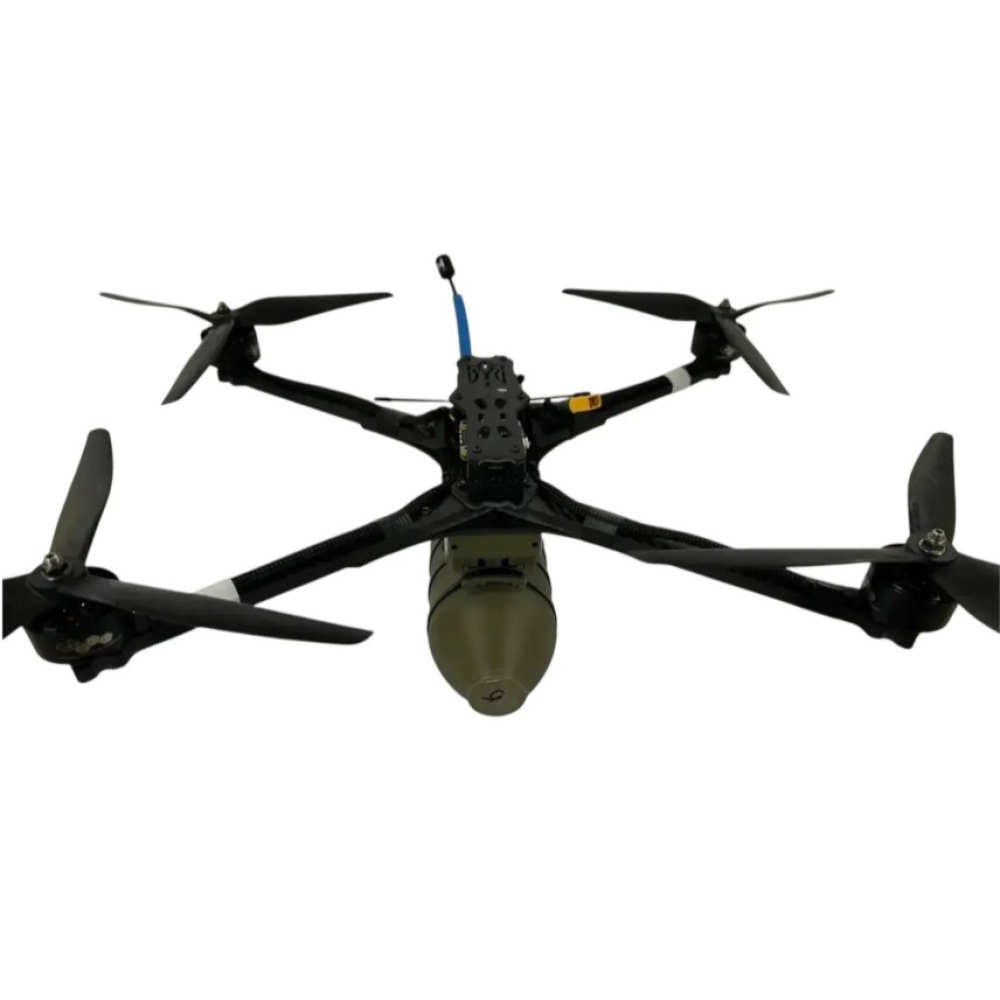
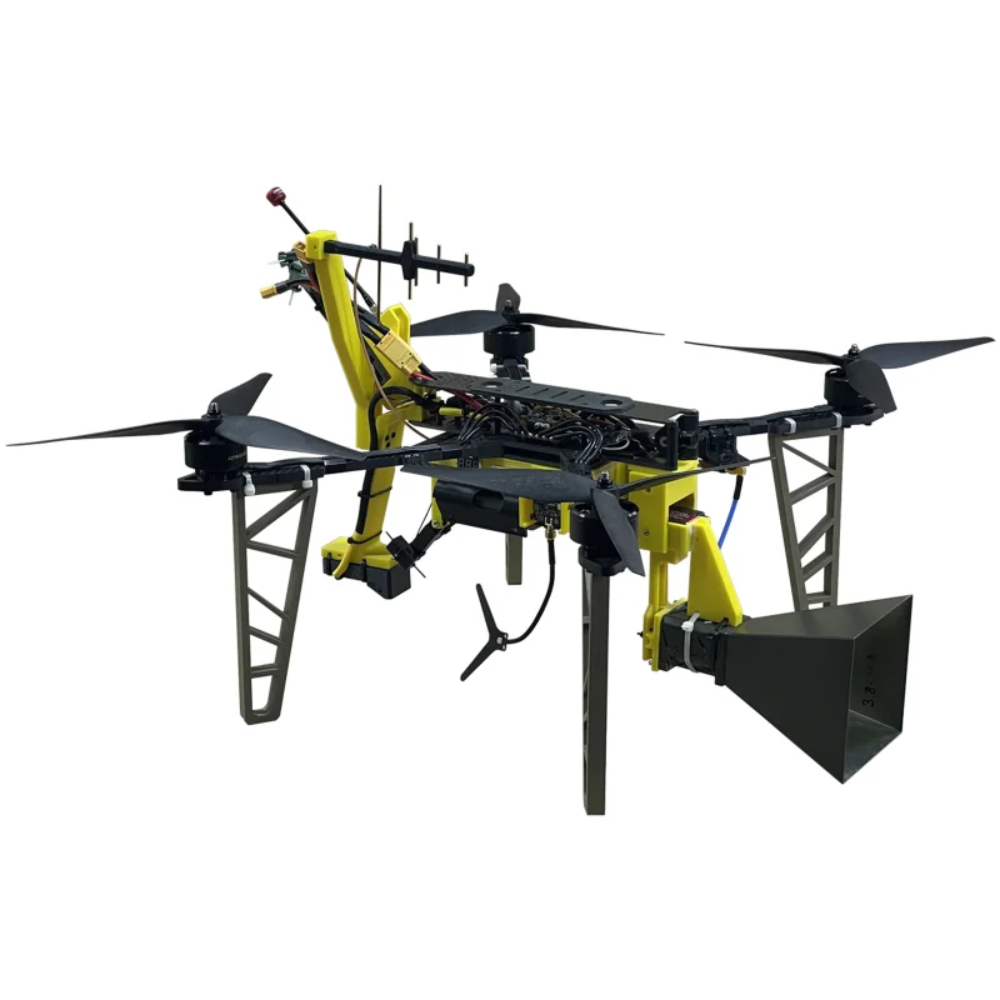
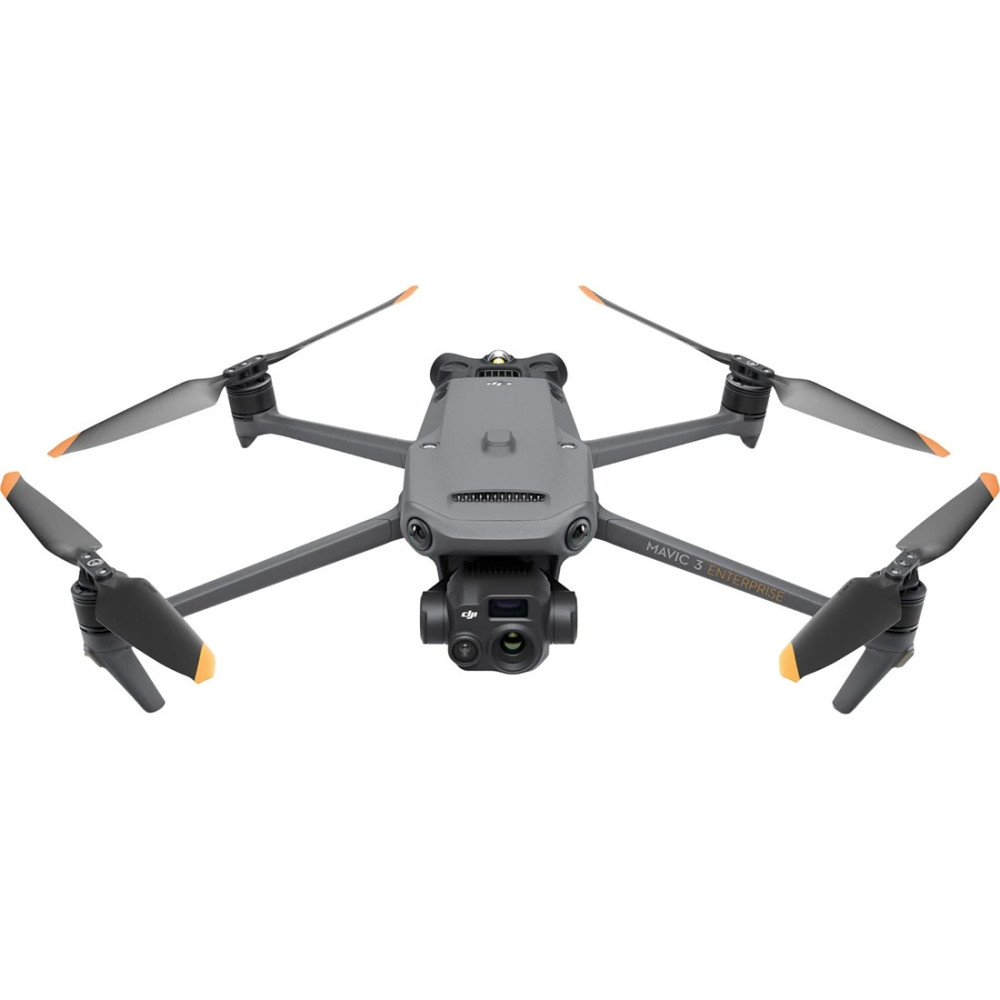
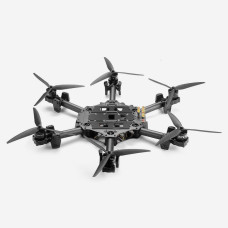
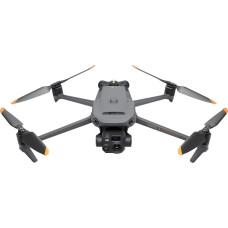
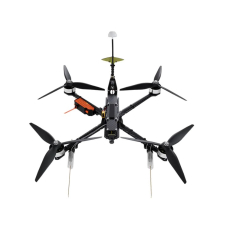
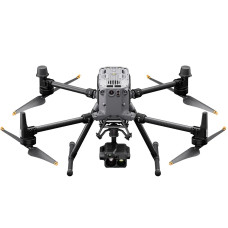
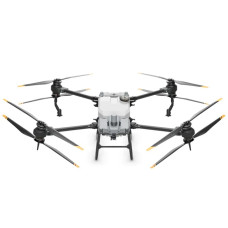
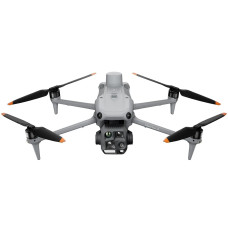
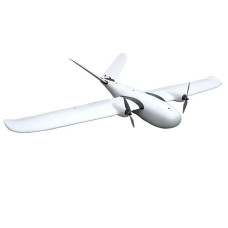
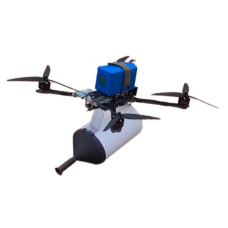


How Drones Are Changing the Modern Army
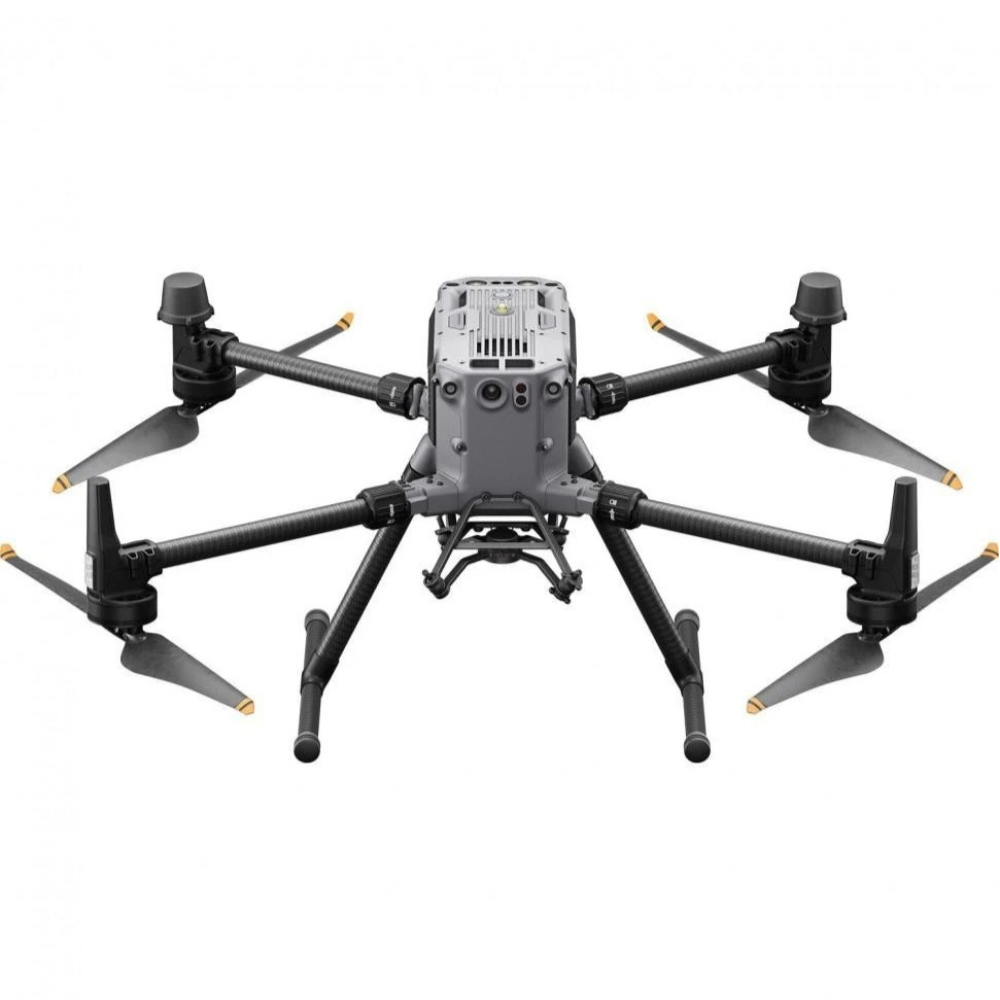
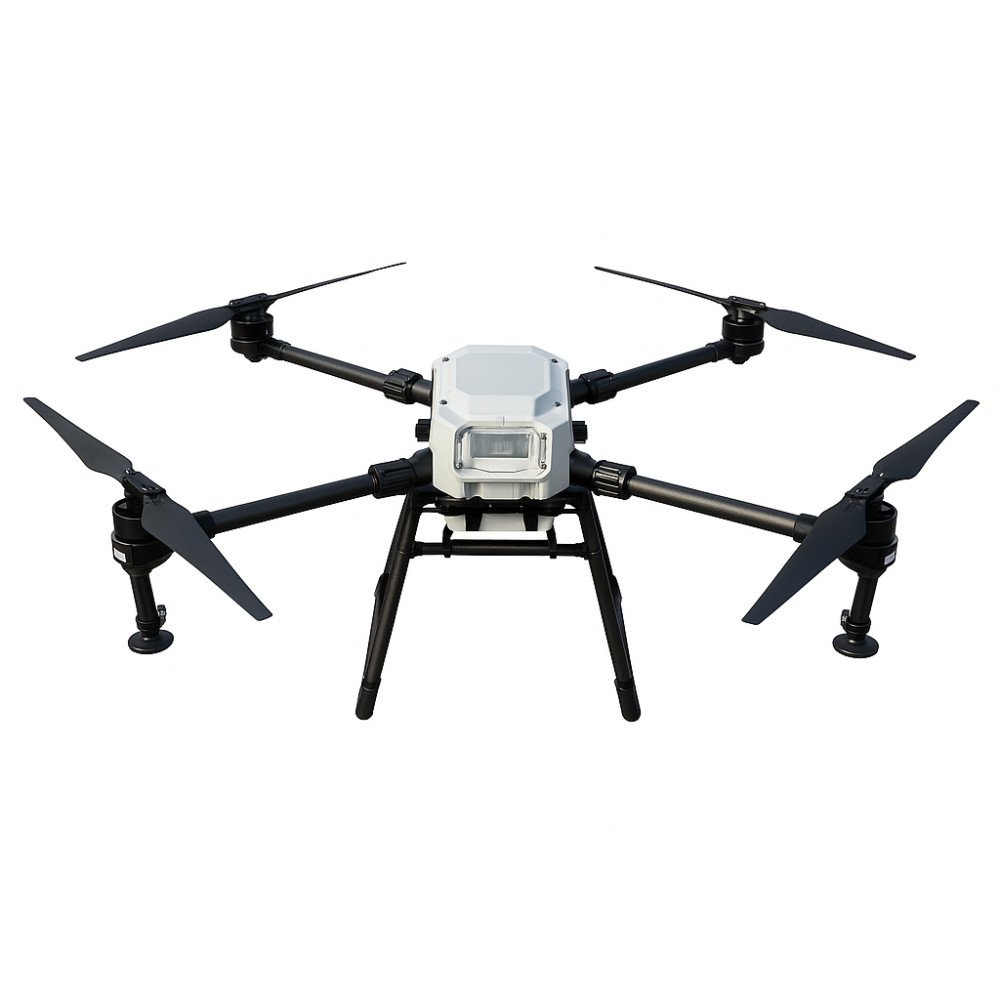
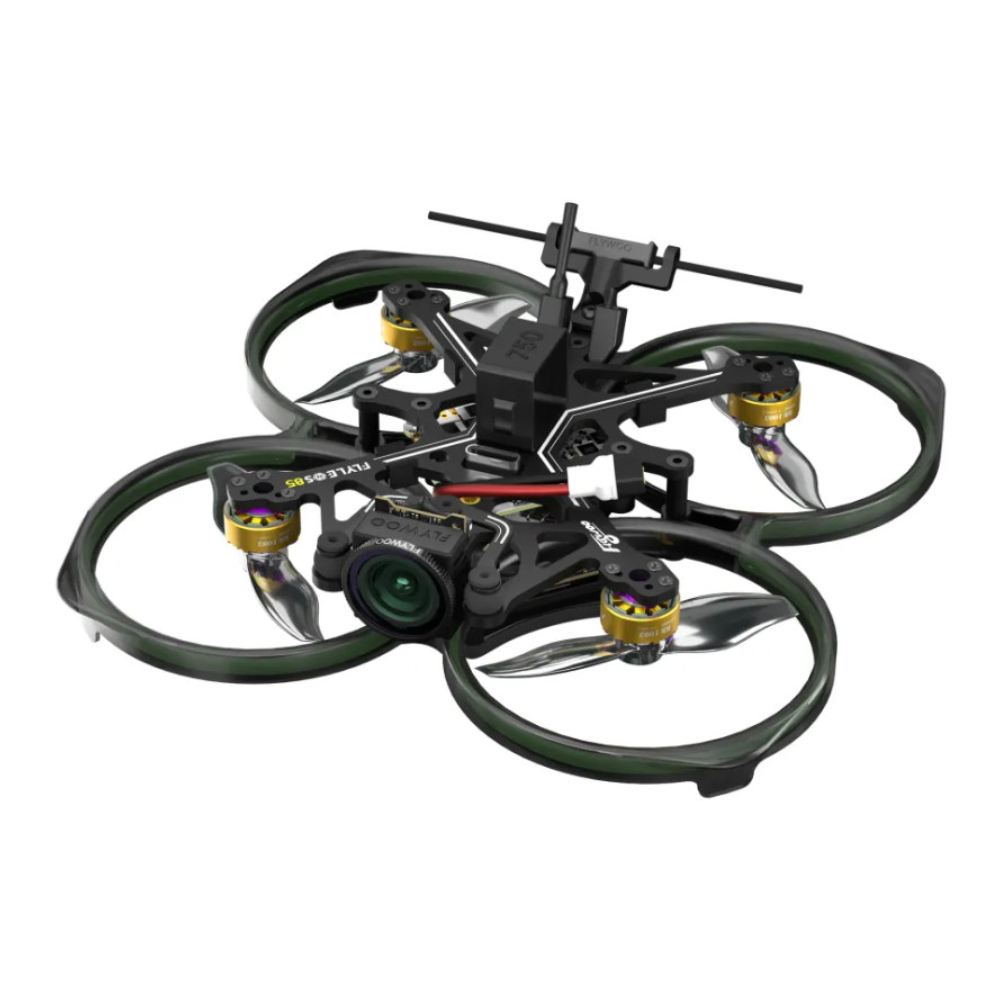
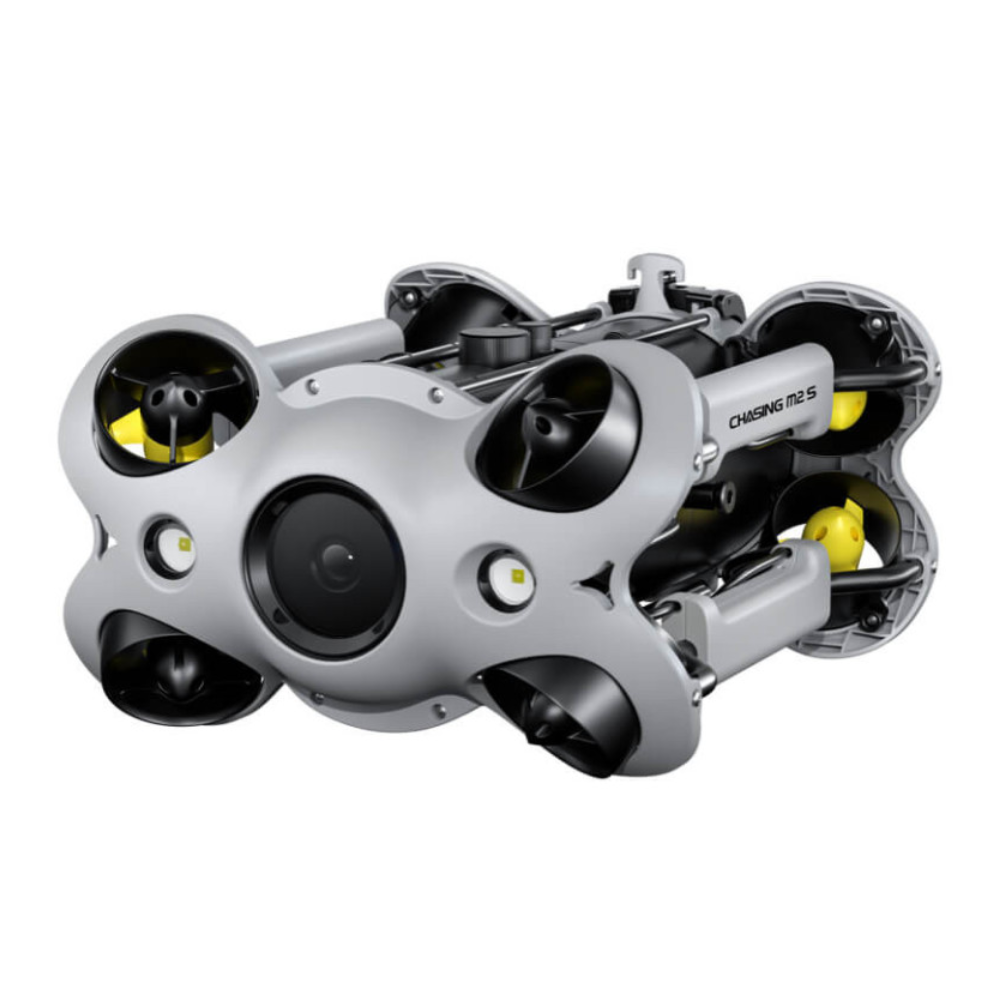
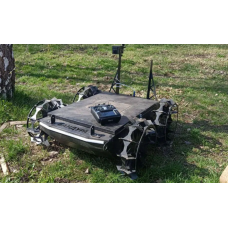
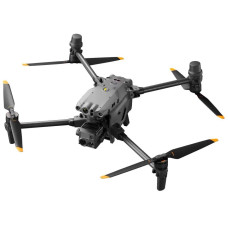
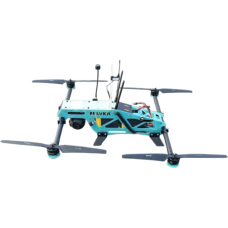
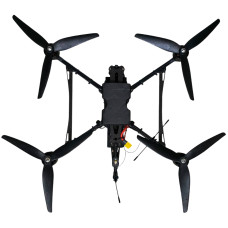
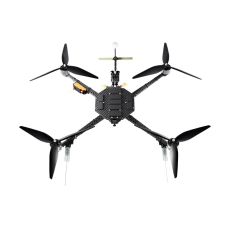
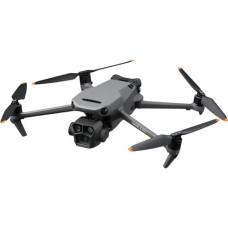
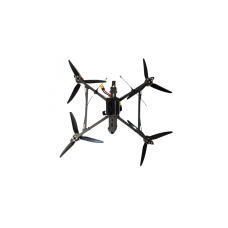
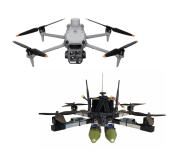
Military drones have become a true "game-changer" for the Armed Forces of Ukraine (AFU), as they enable aerial reconnaissance, enemy detection, artillery adjustment, and even strike missions. The demand for quadcopters for the AFU grows daily. Soldiers need equipment capable of long-range operation, stable radio communication, and high-quality optics. This is why volunteers and military personnel strive to buy drones for the AFU and constantly update their fleet of equipment.
Types of Drones in Modern Military Conflicts
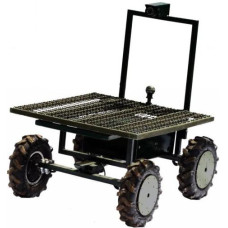
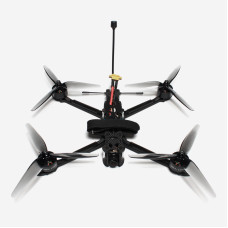
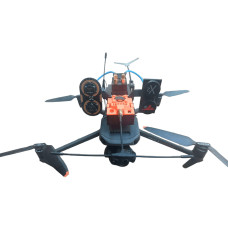
Drones can be conditionally divided into several categories:
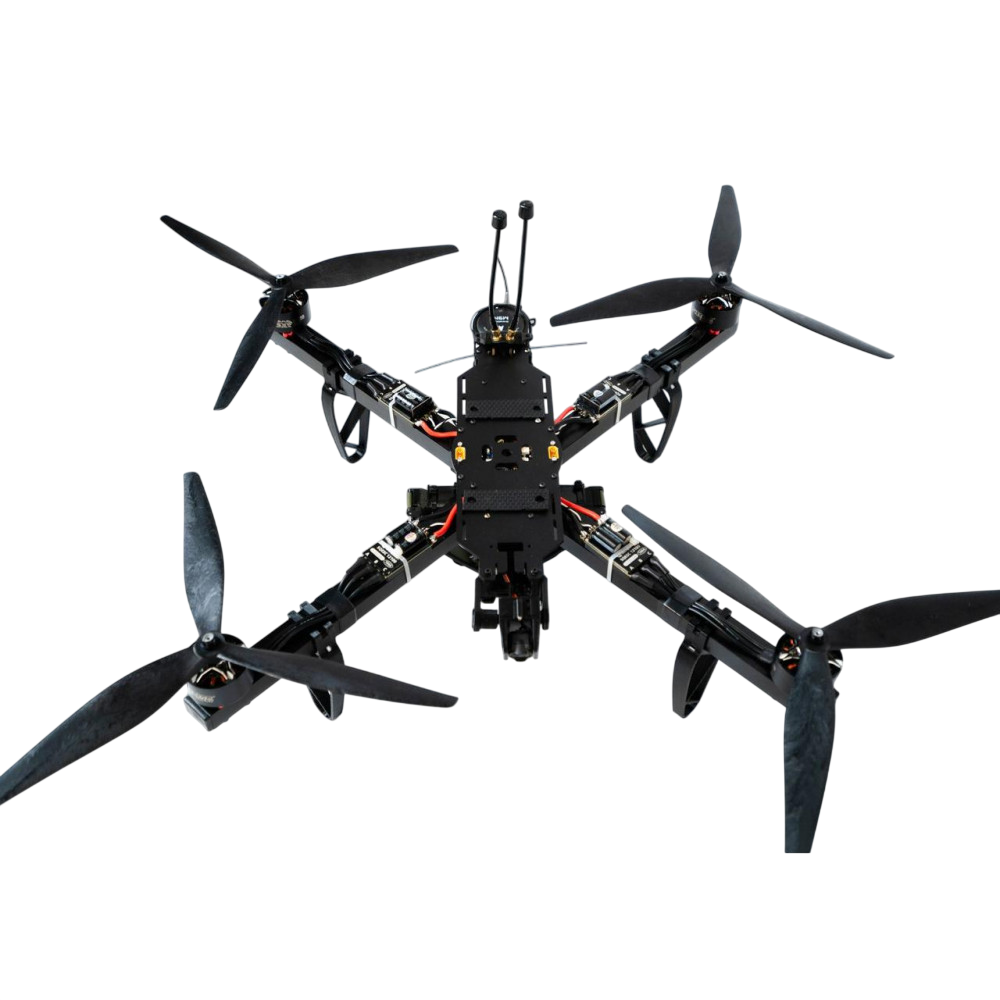
- Quadcopter drones for military use. Quickly takes to the air and allows for real-time monitoring.
- Reconnaissance drones. Equipped with a thermal imager and powerful optics for night operations and challenging conditions.
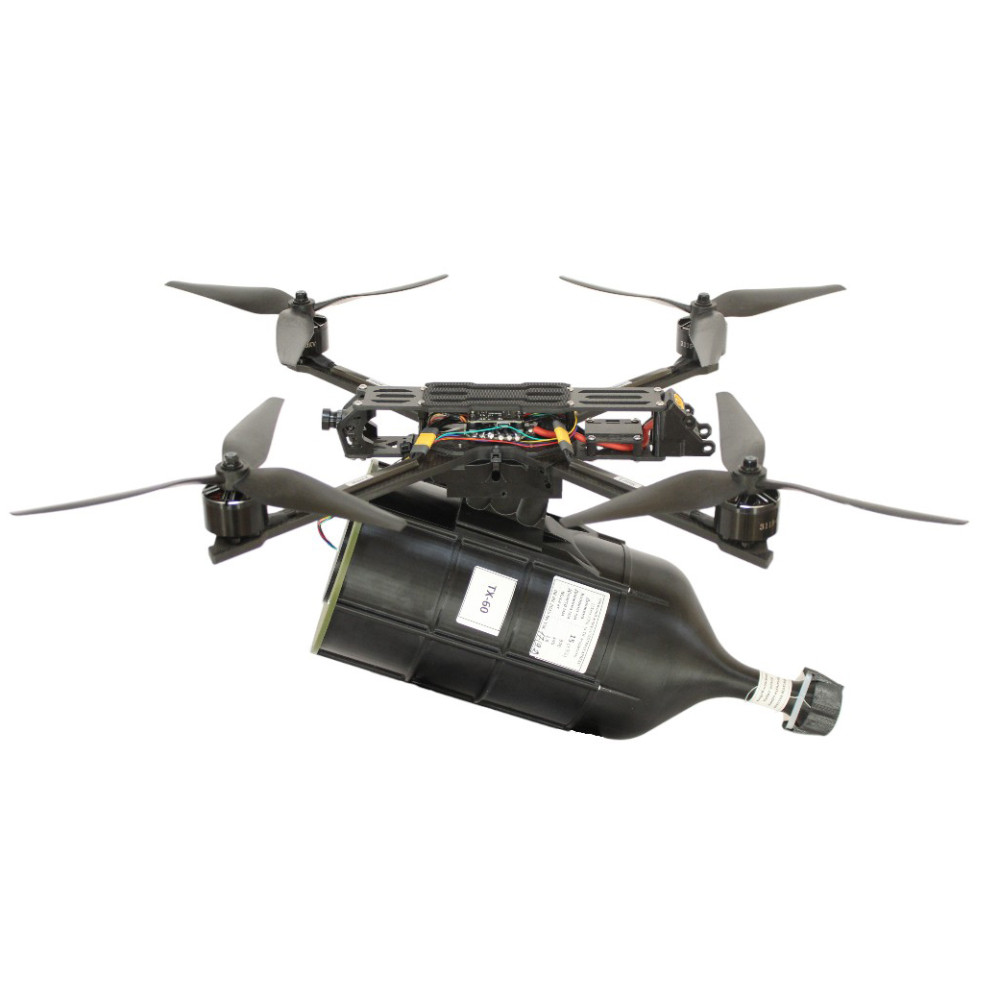
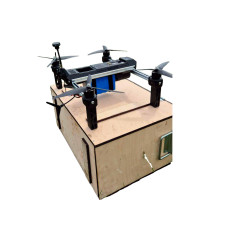
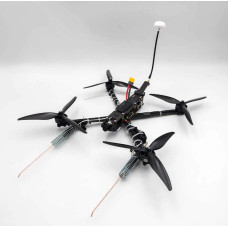
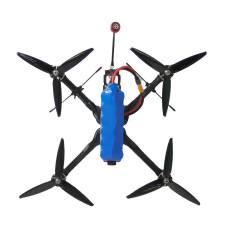
- Strike drones. Used for delivering explosives or performing "kamikaze" missions.
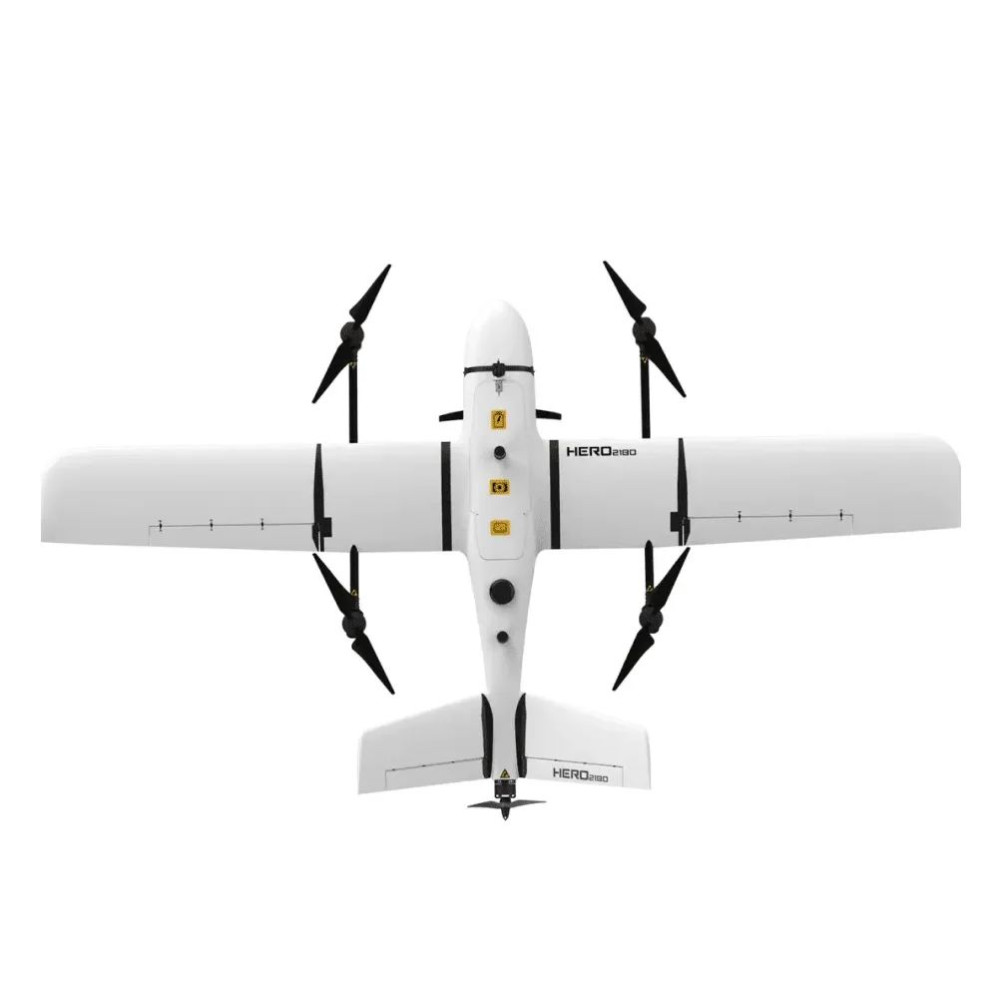
To buy a drone for the AFU means to ensure fast and accurate aerial reconnaissance. Larger models allow for reconnaissance over tens of kilometers, remaining undetectable by radar.
The Role of Drones in Modern Military Conflicts
Drones for military personnel solve several key tasks at once:
- Aerial reconnaissance and detection. Thanks to cameras and thermal imagers, soldiers can see the situation even at night.
- Monitoring and surveillance. Optics allow for a clear image of enemy positions.
- Artillery adjustment. Accurate targeting reduces ammunition consumption and increases effectiveness.
- Camouflage. Drones help find hidden shelters that are impossible to see from the ground.
How to choose a drone? Before you buy drones for the AFU, it's important to evaluate several factors:
- Flight range;
- Optics and thermal imager;
- EW protection;
- Functionality;
- Ease of control
Each unit has its own tasks, so the choice of model must take into account ballistics, terrain specifics, and the level of threats.
Conclusion
Drones for military personnel are not just technology, but also a chance to save lives. That's why the decision to buy a drone for the AFU or a quadcopter for military personnel is about real support for the country's defense. You can view models and order from Flash Army – a reliable partner that provides quality equipment for the army.
- Flight range: Drones for 10 km Drones for 12 km Drones for 15 km Drones for 17 km Drones for 20 km Drones for 25 km Drones for 30 km
- Payload capacity: Drones up to 2 kg Drones up to 2.5 kg Drones up to 3 kg Drones up to 3.5 kg Drones up to 4 kg Drones up to 6 kg Drones up to 11 kg
- Flight time: Drones for 10 min Drones for 15 min Drones for 20 min Drones for 25 min Drones for 30 min Drones for 35 min Drones for 40 min Drones for 60 min
- Brand: 3Dtech Drones Air3F Drones Arkbird Drones Astral Express Drones ATOMRC Drones AUTEL Drones BattleBorn Drones BetaFPV Drones BlueBird Drones Brother Hood Drones C-Fly Drones Celebra Tech Drones CHASING Drones Darwin Drones DarwinFPV Drones Diatone Drones DJI Drones Drones Drone Space Labs DRONE UKRAINE Drones E-Dron Drones Emax Drones EOC Drones Fighter Drones Fimi Drones FLYWOO Drones FPV Drones GEPRC Drones Happymodel Drones HenntaiFPV Drones HGLRC Drones Hubsan Drones iFlight Drones JJRC Drones KASHTAN Drones KFPLAN Drones Kvertus Drones Lynx development drones LYZRC Drones Makeflyeasy Drones Mavka Drones Mria Drone UAVs Numo Robotics Drones Nvectech Drones Drones Phoenix drones Raptor Drone UAVs Readytosky Drones RoboForce Drones Robotic Complexes Drones RobotsUA Drones SJRC Drones Sky MT Drones SkyRIPer Drones Skywalker Drones SMART BIRDS Drones SokillSky Drones SonicModell Drones Stinex Drones Trident Tech Drones Drones UA.technology USMT Drones Vision Drones VTG Drones Vyriy Drones WARMAX Drones Winged Liberty Factory Drones X-UAV Drones XAG Drones Yuneec Drones ZLL Drones Drones General Cherry ZAVADA Drones Magura Drones Drones EW Goodness Drones System Graphite Company