

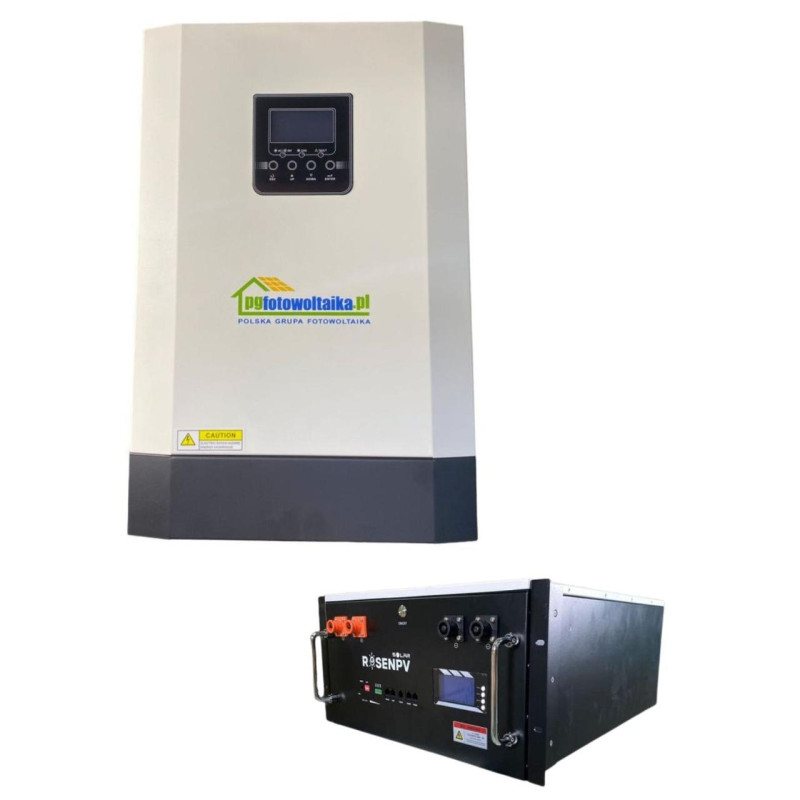






"Independence" Kit — a ready-made solution for power supply to a private house, dacha, or small office. The kit is supplied under the AGM brand and belongs to the category: Energy Independence > Rechargeable Batteries. It is an optimal combination of a 5.5 kW hybrid inverter and a lithium iron phosphate battery for long-term autonomous power supply.
Kit composition:
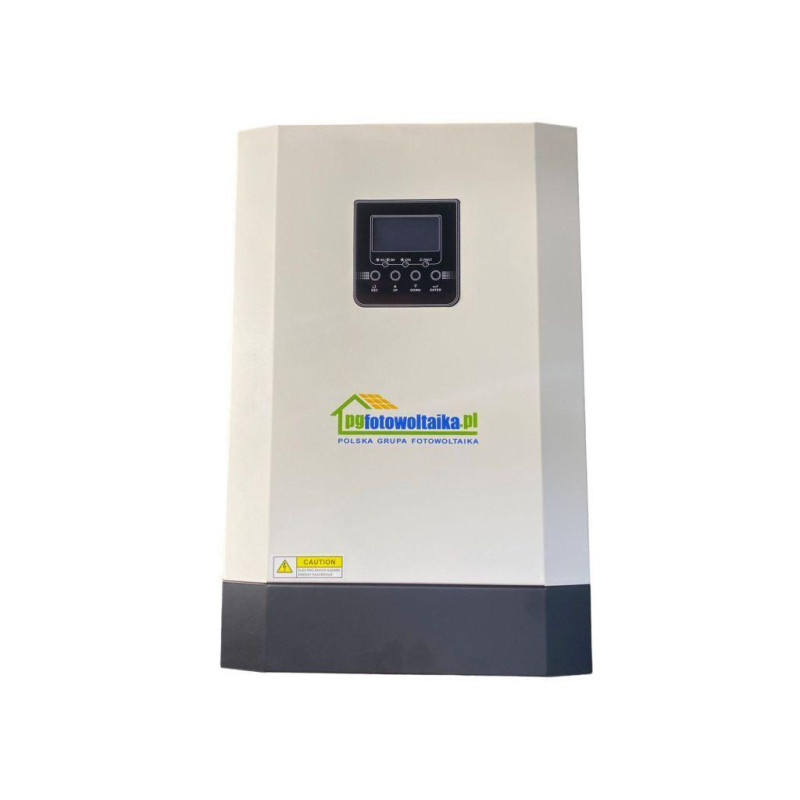
- Hybrid inverter with 5.5 kW power (OFF-GRID PGF OG-5500 MPPT 5.5KW + WiFi)
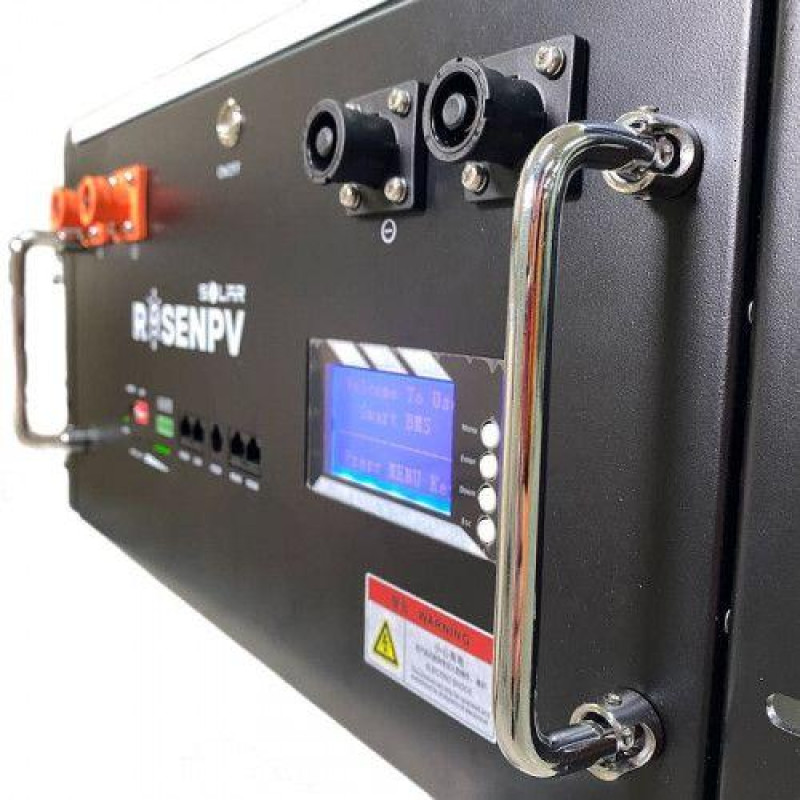
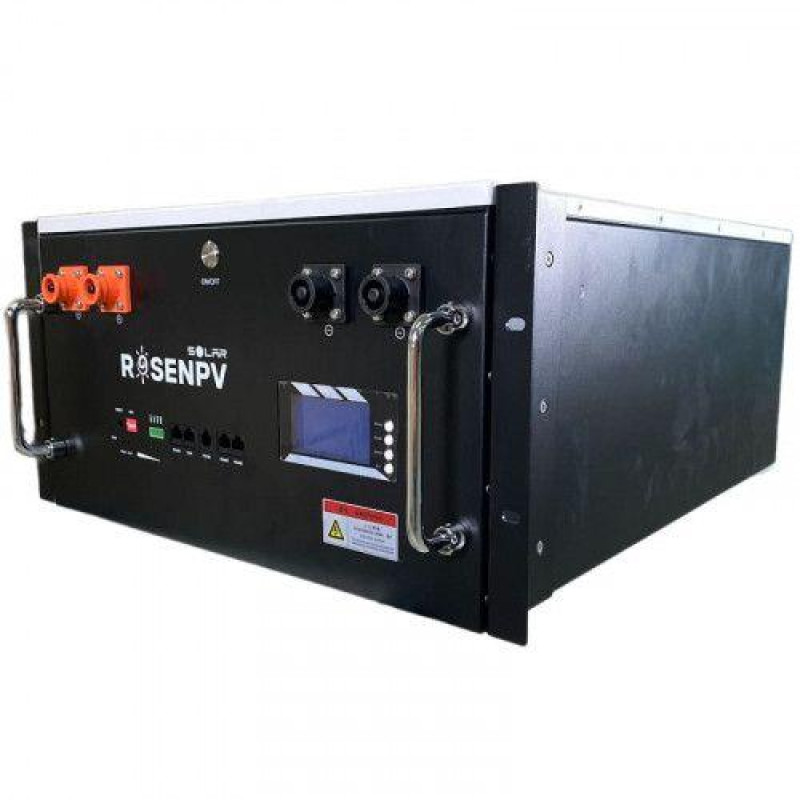
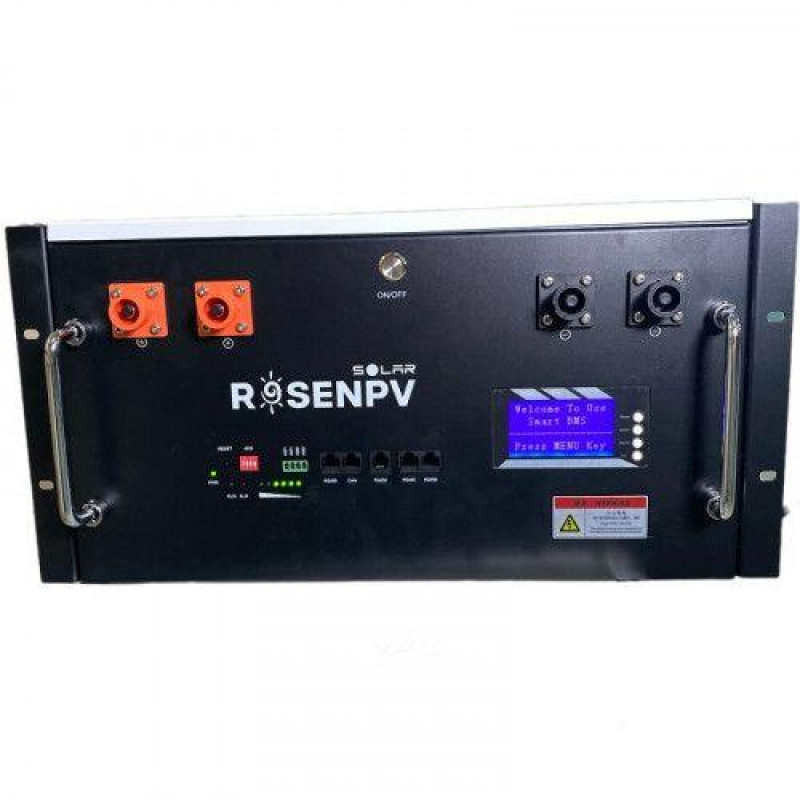
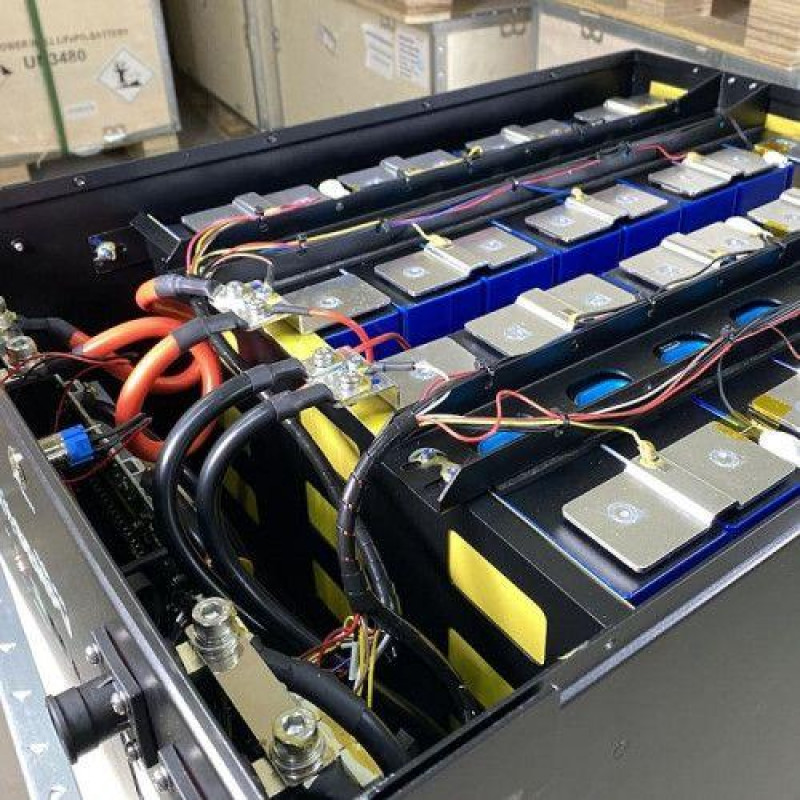
- LiFePO4 battery 51.2V 200 Ah, with an energy capacity of 10.24 kWh (200 Ah)
This system ensures the operation of essential household appliances for a family for approximately 12–24 hours during power outages, depending on the load. The kit allows continuous operation of the refrigerator, lighting, TV, internet, and charging devices, and also provides the ability to briefly connect a washing machine, boiler, or pump.
Estimated consumption of typical appliances (calculation based on 10 kWh):
| Appliance | Power, W | Operating time from 10 kWh |
|---|---|---|
| Refrigerator | 150 | 40–60 h |
| LED lighting (5 rooms) | 150 | 50–60 h |
| Television | 100 | 80–90 h |
| Wi-Fi router | 10 | over 300 h |
| Washing machine (1 cycle) | ~1 kWh | 8–9 cycles |
| 50 L boiler | 1,500 | 5–6 h of active heating |
| Laptop + chargers | 100 | 80–90 h |
| Refrigerator + lighting + TV + internet | ~400–500 | 18–22 h |
Calculations are provided as an example and may vary depending on usage conditions.
LiFePO4 51.2V 200 Ah Battery — Key Features and Benefits
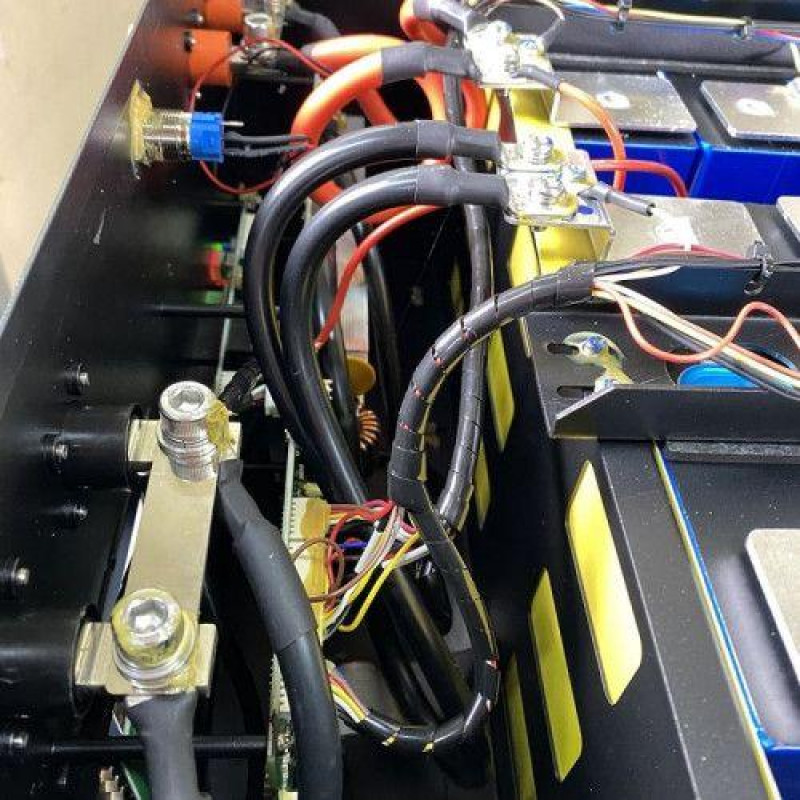
The LiFePO4 51.2V 200 Ah battery is a lithium iron phosphate battery that combines high reliability, safety, and durability. Its nominal voltage of 51.2 V and capacity of 200 Ah (energy capacity of 10.24 kWh) make it suitable for systems with high energy consumption. The cycle life is approximately 6000 cycles at 80% DOD, ensuring a service life of up to 10 years. The model has a built-in BMS protection system for charge control, voltage and current monitoring, protection against overload, overheating, and short circuits, as well as the ability to connect to a computer for real-time parameter monitoring. The battery is compatible with various types of inverters and can be charged by solar panels, making it an environmentally friendly solution.
Technical Specifications of LiFePO4 51.2V 200 Ah Battery
| Battery type | Lithium iron phosphate |
| Capacity | 200 Ah |
| Nominal voltage | 51.2 V |
| Energy capacity | 10.24 kWh |
| Maximum charge current | 100 A |
| Maximum discharge current | 200 A |
| Discharge cut-off voltage | 44.8 V |
| Charge voltage | 56–58.4 V |
| Recommended depth of discharge | 90% |
| Cycle life | ≥6000 (at 80% DOD, 25 °C) |
| Interface | CAN, RS485 |
| Cell assembly method | 16S2P |
| Cell type | EVE 3.2V 100Ah Grade A |
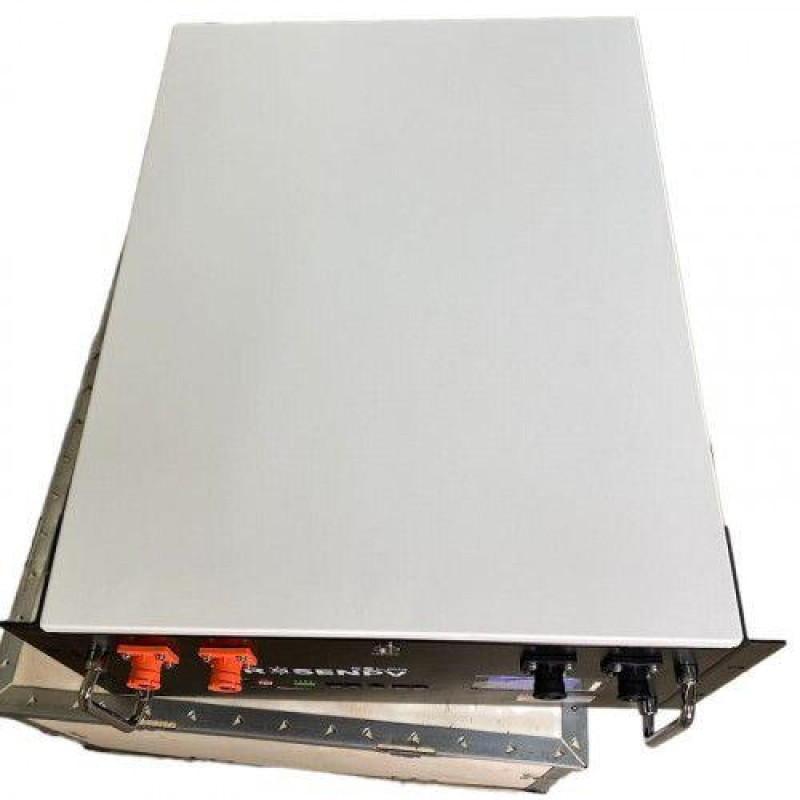
| Mounting | Rack mount |
| Parallel connection support | Up to 14 units |
| Temperature range | Charge: -5…+55 °C Discharge/storage: -20…+55 °C |
| Humidity | 5% – 95% RH (non-condensing) |
| Dimensions (W×H×D) | 483×680×178 mm |
| Weight | 87 kg |
Features of LiFePO4 51.2V 200 Ah Battery
- Lithium iron phosphate type
- Ability to connect up to 14 units in parallel
- Nominal voltage 51.2 V
- Capacity 200 Ah
- Cycle life — approximately 6000 cycles at 80% DOD
- Compatibility with various inverters
- BMS protection system
- PC connection for real-time monitoring
- Remote update capability
- Low self-discharge rate
- Environmentally friendly due to absence of heavy metals
- Can be charged by solar panels
- Compact size and rack mountable
- Durability — service life of about 10 years
Frequently Asked Questions
To learn more about the advantages and features of lithium iron phosphate batteries, please see the answers to frequently asked questions below.
How do lithium iron phosphate batteries differ from regular lithium-ion batteries?
They differ in cathode material: lithium iron phosphate batteries use lithium iron phosphate, which provides important advantages — a more stable chemical structure, higher safety, less susceptibility to overheating and ignition, and a longer service life (around 5000 cycles or more).
- More stable chemical structure and higher safety
- Longer service life compared to traditional lithium-ion batteries
- Better resistance to high temperatures
- Ability to provide high current without significant voltage drop
What are the disadvantages of lithium iron phosphate batteries compared to lithium-ion batteries?
Disadvantages include lower energy density (less energy per unit of mass and volume), sensitivity to low temperatures, and higher manufacturing cost.
- Lower energy density
- Sensitivity to low temperatures
- Higher cost
How long will a 200 Ah battery last under a 100 W load?
Under a 100 W load, a 200 Ah lithium iron phosphate battery can operate continuously for up to 4 days, but the actual time depends on operating conditions, temperature, and connection method.
Why are lithium iron phosphate batteries considered more environmentally friendly?
Due to the absence of cobalt and other toxic metals, and a longer service life which reduces waste, these batteries are considered more environmentally friendly.
Operating rules to extend service life
To ensure long-term and reliable battery service, follow these simple operating rules:
- Avoid complete discharge
- Use quality chargers
- Do not operate at very low or very high temperatures
- Store the battery partially charged (approximately 50%) for long-term storage
OFF-GRID PGF OG-5500 MPPT 5.5KW + WiFi Solar Photovoltaic Inverter
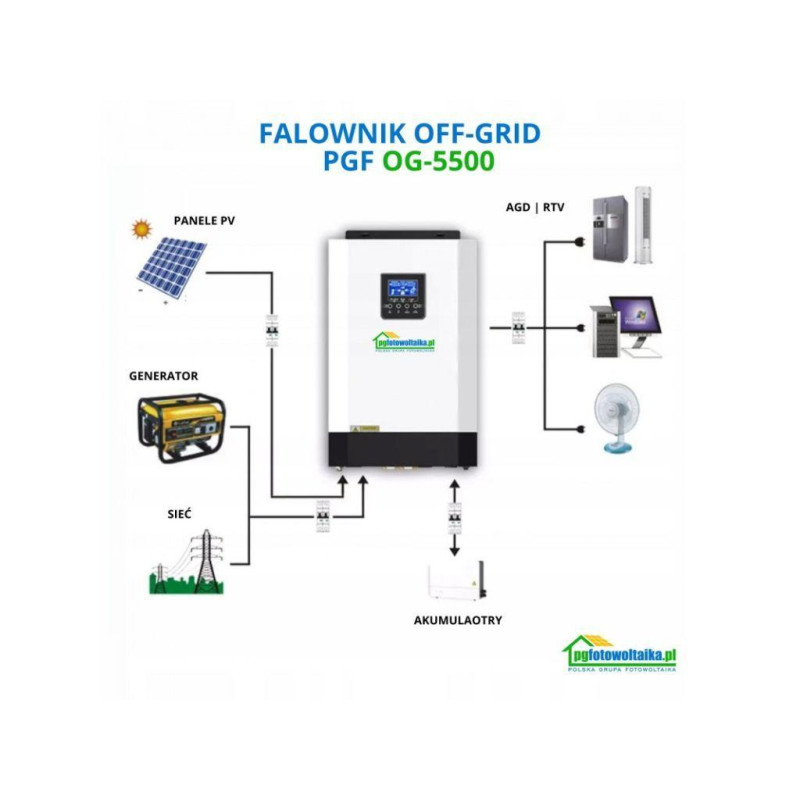
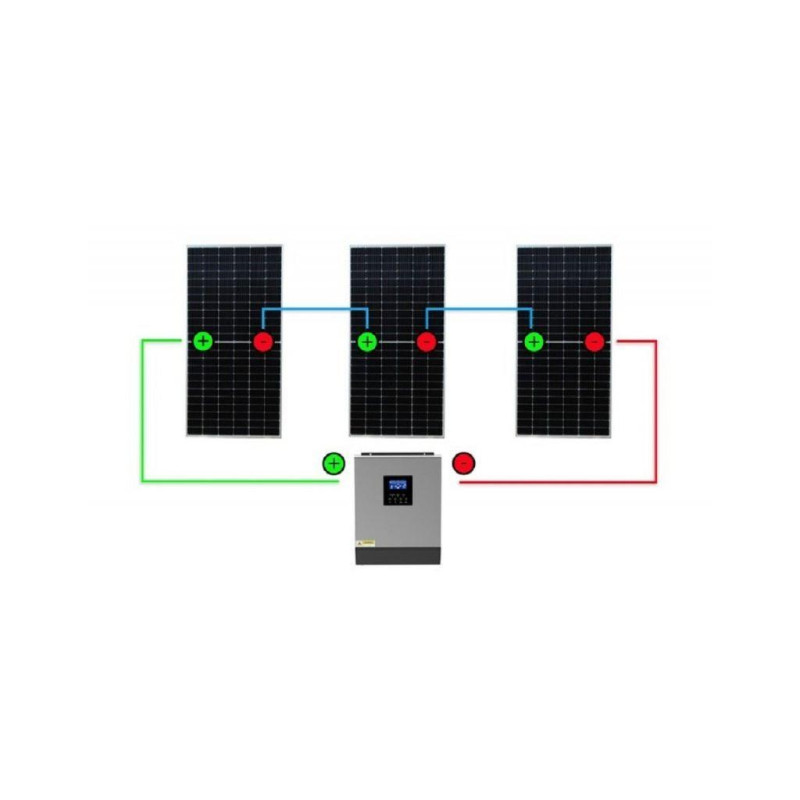
OFF-GRID PGF OG-5500 MPPT 5.5KW + WiFi — a multifunctional hybrid inverter and charger that combines the functions of an inverter, a solar MPPT charger, and a battery charger. The inverter supports operation from the grid or a generator and provides a pure sine wave output.
Inverter Technical Data
Grid Mode
- Input voltage waveform – sine wave (from grid or generator)
- Nominal input voltage – 230V AC
- Low cut-off voltage – 170V AC (UPS), 90V AC (typical electrical devices)
- Maximum AC input voltage – 300V AC
- Nominal input frequency – 50 Hz / 60 Hz (auto-sensing)
- Output short circuit protection: grid mode — overcurrent protection; battery mode — electronic protection
- Transfer time – 10 ms (typical UPS); 20 ms (typical – electrical devices)
- Output power reduction when input voltage drops below 170V
Inverter Mode
- Nominal output power – 5.5 kVA / 5.5 kW (5500 W)
- Output voltage waveform – pure sine wave
- Nominal output voltage – 230V±5%
- Output frequency – 50 Hz
- Peak efficiency – 94%
- Instantaneous peak power – 2x nominal power for 5 s (11000 W)
- Nominal input voltage – 48V DC
- DC voltage for cold start – 48V DC
- Self-consumption –
The "Independence" Kit from AGM is a practical and reliable solution for those seeking autonomy and stable power supply. The combination of a high-quality LiFePO4 battery and a powerful hybrid inverter ensures long-term autonomous operation and the possibility of integration with solar generation.
Other products in this category here Rechargeable Batteries
There are no reviews for this product, be the first to leave your review.
No questions about this product, be the first and ask your question.