

Batteries for Drones and Quadcopters
Sort By:
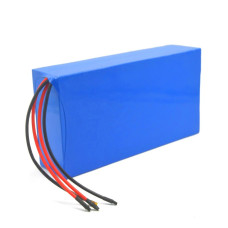
In stock
Drone battery 4s12p 60Ah
10 500 грн.
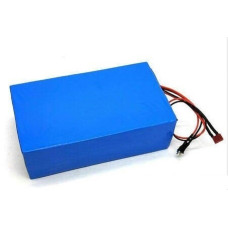
In stock
Battery for drone 7s12p 60 Ah
15 970 грн.
In stock
Drone battery 7s3p, 15 Ah
4 875 грн.


In stock
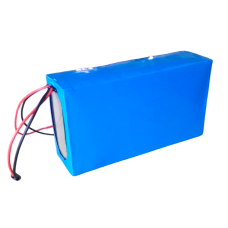
In stock
Drone battery 7s20p 100 Ah
23 500 грн.
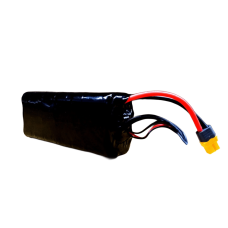
In stock
Battery for drone 7s2p 8000mAh
2 830 грн.
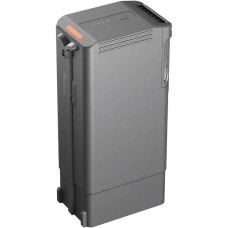
In stock
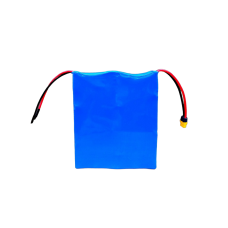
In stock
Drone battery 7s4p, 20 Ah
6 085 грн.
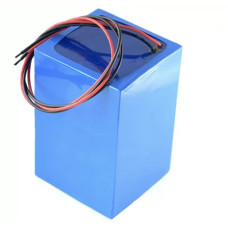
In stock
Drone battery 7s6p, 30 Ah
9 150 грн.
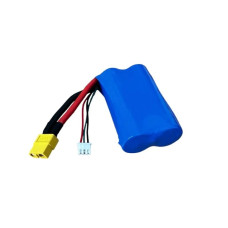
In stock
Battery for drone 2s-B30-170 5000mah
650 грн.
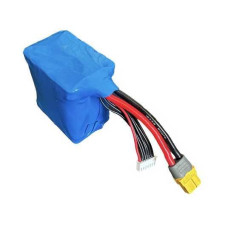
In stock
Drone battery 6s1p 4000mAh
1 320 грн.

In stock
In stock
Drone battery 2s-B/30-230 5000mah
670 грн.
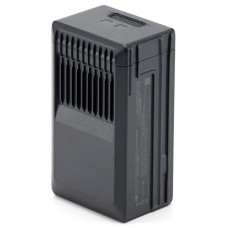
In stock

In stock
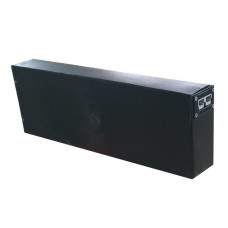
In stock
Battery 21s5p 20 Ah
21 850 грн.

In stock
In stock
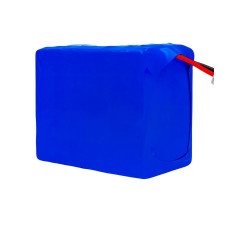
Drone battery 7s8p 40 Ah
11 500 грн.
In stock
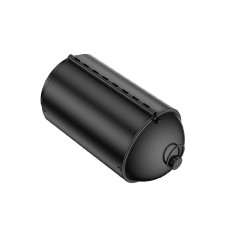
CHASING M2PRO 300 Wh Battery
74 999 грн.
In stock
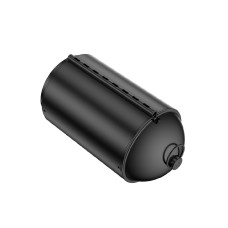
CHASING M2PROMAX 300 Wh Battery
74 999 грн.

In stock

In stock
Frequently asked questions about products in this category Batteries for Drones and Quadcopters
A drone battery is a power source that powers the motors, flight controller, camera, transmitter, receiver, and other electronics. The battery determines not only the flight time but also whether the drone will have enough current for rapid acceleration, maneuvering, or operating with an additional payload. If the battery is chosen incorrectly, the drone may experience voltage sag, overheat, or lose stability in flight.
LiPo and Li-ion batteries are most commonly used in drones. LiPo batteries are installed on FPV drones and powerful quadcopters that require high current discharge. Li-ion batteries are more often chosen for longer flights where energy capacity and duration are more important than maximum sharpness. Separately, there are assemblies based on 18650 or 21700 cells — this is not a type of chemistry, but a format of cylindrical cells.
Battery capacity is selected based on drone size, motors, propellers, and mission. Smaller batteries are used for lightweight FPV builds to avoid overloading the frame, while higher-capacity batteries are chosen for larger quadcopters. More mAh doesn't always mean better results: a heavy battery can increase flight time but simultaneously degrade maneuverability and put more strain on the motors.
Battery voltage depends on the number of cells connected in series. This is often indicated in specifications as 2S, 3S, 4S, 6S, or 8S: the more cells, the higher the voltage. For many FPV drones, 4S and 6S batteries are common, but the specific option must be selected to match the motors, ESC, and flight controller. If a battery with an incompatible voltage is installed, the electronics may operate unstably or simply fail.
Drone batteries often use XT30, XT60, XT90, and other power connector formats, depending on the current and size of the assembly. Smaller connectors are sufficient for compact drones, while more powerful FPV or cargo platforms require a variant with a higher current rating. Many batteries also have a balance connector, through which the charger monitors each cell individually.
LiPo batteries are better at delivering high current, so they are often used in FPV drones where sharp maneuvers, rapid acceleration, and powerful motors are required. Li-ion batteries usually have better energy density per weight, making them suitable for calmer and longer flights. However, Li-ion batteries are less tolerant of high peak loads, so such a battery may not always be ideal for aggressive FPV flight.
For 18650 or 21700 battery packs, it's important to consider not only capacity but also the permissible discharge current. 18650 cells are usually more compact, while 21700 often have higher capacity and better current reserves, but weigh more. Such batteries are more often used for long-range flights or calmer platforms where longer operating time is needed rather than maximum thrust during sharp maneuvers.
Most FPV drones fly on LiPo batteries because they handle loads well and quickly deliver current to the motors. For long-range flights, Li-ion assemblies are sometimes chosen, especially if the drone needs to fly more smoothly and for longer. A quadcopter battery is always selected for a specific system: voltage, capacity, weight, connector, discharge current, and compatibility with electronics.
A drone battery is selected based on system voltage, capacity, discharge current, weight, size, and connector type. First, check which batteries are supported by the motors, speed controller, and flight controller. Then, consider the task: for fast FPV, current output and weight are important; for long-range flight, capacity, voltage stability, and flight time reserve are key.
Drone batteries in Ukraine are priced from UAH 300 for 300 mAh models. Further cost depends on battery type, capacity, voltage, cell count, discharge current, connector, brand, and assembly format. A compact battery for a small drone and a powerful battery for a heavier FPV platform are different in price, so it's worth considering not only the cost but also compatibility with your drone.
You can order drone batteries from Flash Army – for FPV builds, quadcopters, repairs, or as spares for multiple flights. Here, it's convenient to select a battery for the required voltage, capacity, connector, and drone format, ensuring you don't get an incompatible option. Orders are shipped quickly across Ukraine, so you can receive the necessary battery without a long wait.