

Dome EW Systems
Sort By:
Frequently asked questions about products in this category Dome EW Systems
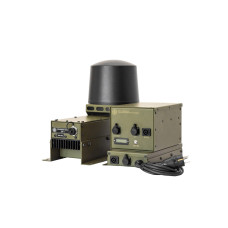
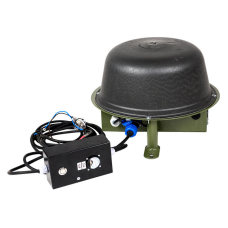
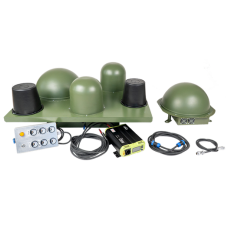
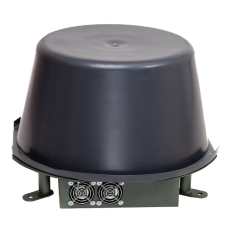
A dome EW jammer is an electronic warfare system that creates a protective zone around an object based on the "dome" principle. It is designed to block UAV control and data transmission channels within a defined radius. Such systems are used to protect positions, equipment, warehouses, and stationary objects.
The system creates radio interference that disrupts communication between the drone and its operator or navigation systems. As a result, the UAV may lose control, hover, change its route, or enter emergency mode. The specific reaction depends on the drone's settings and the type of signal.
The average range of a dome EW jammer is typically from 1 to 10 km, depending on the system's power and environmental conditions. In open terrain, the coverage area may be larger, while in built-up areas or complex terrain, it may be smaller. Actual performance depends on frequencies and equipment configuration.
Dome EW jammers typically support 4 to 16 simultaneous jamming channels, depending on the model. Each channel is responsible for a separate frequency band, allowing for coverage of various signal types. The number of channels affects the system's ability to counter multiple threats simultaneously.
The operating time of a dome EW jammer typically ranges from 6 to 24 hours, depending on the power source and load mode. In stationary conditions, systems are often connected to a permanent power supply, allowing for unlimited operation. Autonomy also depends on the power and number of active channels.
Dome EW jammers typically operate from a 220V mains supply or generators and can also use backup batteries. Active cooling systems with fans or combined solutions with radiators are used for cooling. The type of cooling system is determined by the equipment's power and operating duration.
Most commonly, the 2.4 GHz, 5.8 GHz, 868 MHz, and 915 MHz bands, used by most drones, are suppressed. In some configurations, GPS navigation frequencies within approximately 1.2–1.6 GHz are additionally blocked. The specific list depends on system settings.
The effectiveness of dome EW depends on the system's power, proper deployment, and level of countermeasures. Under favorable conditions, such systems can significantly limit the operation of FPV drones and reconnaissance UAVs within the coverage area. The result is determined by range, frequencies, interference density, and tactical use.