

FPV Kamikaze Drones for Military Use
Sort By:
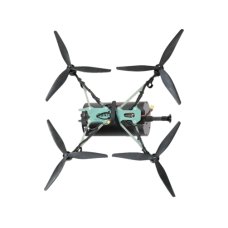
In stock
USMT Hunter D-15 Kamikaze Drone
53 460 грн.
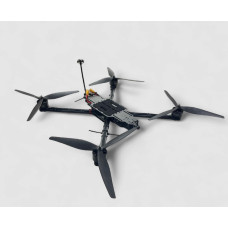
In stock
In stock
Hunter D-15 USMT Kamikaze Drone
48 565 грн.
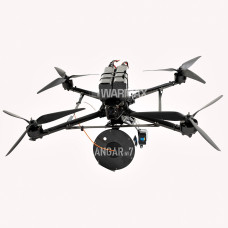
In stock
In stock
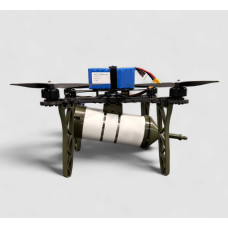
In stock
Drone 15" Optics 25 (km) General Cherry
108 497 грн.
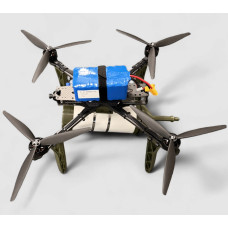
In stock
Drone 13" Optics 20 (km) General Cherry
80 035 грн.
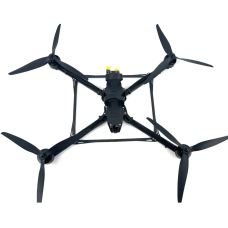
In stock
Drone "RONNIE-13D-O". Drone on 13-inch frame
25 999 грн.
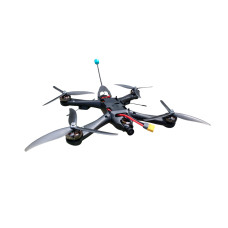
In stock
FPV Kamikaze Drone 7" Khoros EOC
27 300 грн.
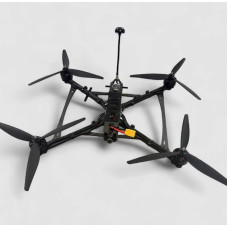
In stock
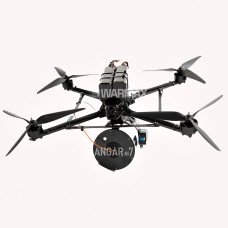
In stock
In stock
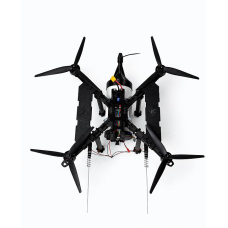
In stock
UAV FPV "Zhnets 15O" (15") with batteries
89 000 грн.
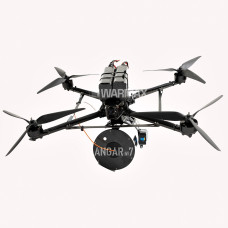
In stock
In stock
Drone 13" Optix 15 (km) General Cherry
67 735 грн.
In stock
UAV FPV "Zhnets 13O" (13”) with batteries
77 280 грн.
In stock
Drone 15" Optix 20 (km) General Cherry
96 197 грн.
In stock
Bomber Drone 13" (Twilight) GENERAL CHERRY
31 497 грн.
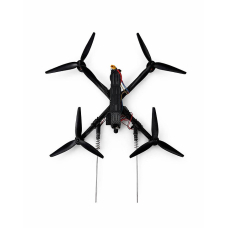
In stock
UAV FPV "Zhnets 10O" (10") with battery
53 256 грн.
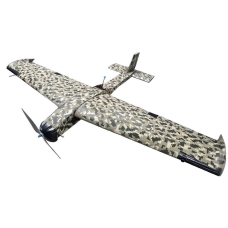
In stock
R2D3 fixed-wing kamikaze UAV
84 700 грн.
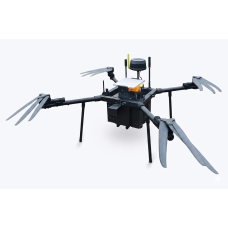
In stock
UAS "OTOMAN" Unmanned Aircraft System
1 450 000 грн.
In stock
Drone 15" Optix 15 (km) General Cherry
83 897 грн.
In stock
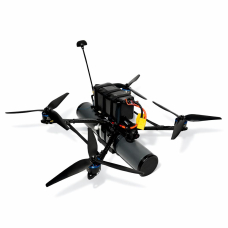
In stock
FPV Drone 10" Day Camera "LAURUS-10" UNC
23 817 грн.
Frequently asked questions about products in this category FPV Kamikaze Drones for Military Use
A kamikaze drone is a single-use strike unmanned system that, once guided, is used to engage a designated target. Such platforms are classified as special-purpose military assets.
The main types are considered to be fixed-wing aircraft platforms and multi-rotor copters. Fixed-wing aircraft are usually oriented towards greater range and flight duration, while copters are oriented towards maneuverability and precise hovering. The specific design depends on the tasks and the manufacturer's technical concept.
The size of such platforms varies significantly depending on the system class. There are compact portable models with wingspans of less than a meter, as well as larger solutions with wings several meters long. Dimensions affect flight range, payload, and aerial stability.
The average flight range depends on the design, engine, energy reserve, and navigation systems. In different classes, it can vary from short distances to significantly longer ranges in long-range models. Exact parameters are usually not universal and differ between manufacturers.
Flight time for such systems typically ranges from 10 to 30 minutes for copter models and from 30 minutes to 3 hours for fixed-wing platforms. Autonomy is influenced by the engine type, battery or fuel system capacity, and the drone's total weight. With a heavier payload, operating time usually decreases.
The maximum speed of copter models is usually between 80 and 140 km/h. Fixed-wing systems often operate in the 120–250 km/h range, and some solutions can exceed these values. Actual speed depends on aerodynamics, weather, flight altitude, and structural mass.
Payload capacity depends on the platform class and power plant output. Compact quadcopter models typically have capacities from 0.5 to 3 kg, while larger systems can carry 5–20 kg or more. Increased load often reduces flight range and maneuverability.
Such platforms are typically equipped with FPV cameras, GPS modules, inertial sensors, and navigation equipment. More complex configurations may include thermal imaging modules, HD cameras, or stabilization systems. The choice of equipment depends on the task, operating range, and system budget.
Various communication channels can be used for such platforms, depending on the system type and equipment. Civilian components most often use 2.4 GHz, 5.8 GHz, 868 MHz, or 915 MHz bands. Specific parameters depend on regional regulations, manufacturer, and electronics configuration.
The cost of an FPV platform of this class usually starts from UAH 20,000–40,000 for basic builds and can exceed UAH 80,000–150,000 for more complex configurations. The price is affected by the frame, electronics, communication system, batteries, and additional modules. Actual prices depend on the components market and exchange rates.