

Armor Plates for Military
There are no products to list in this category.
ContinueFrequently asked questions about products in this category Armor Plates for Military
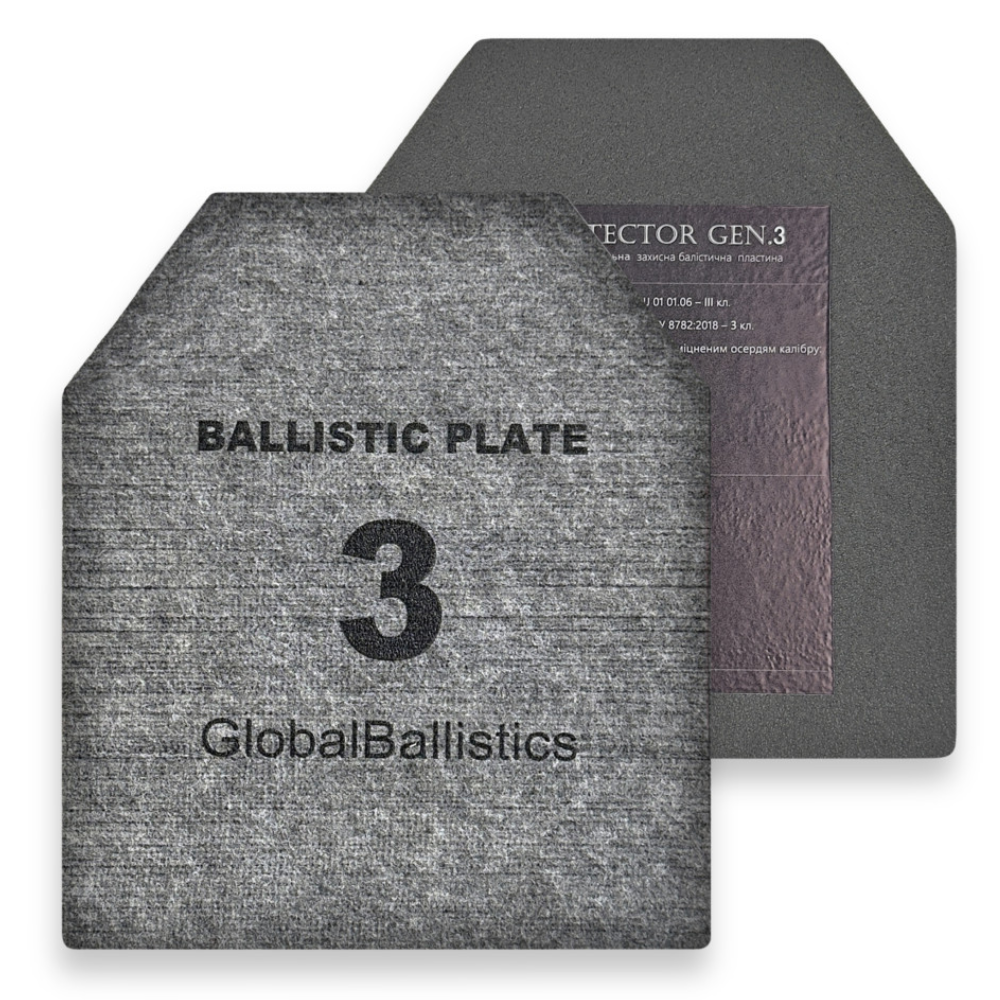
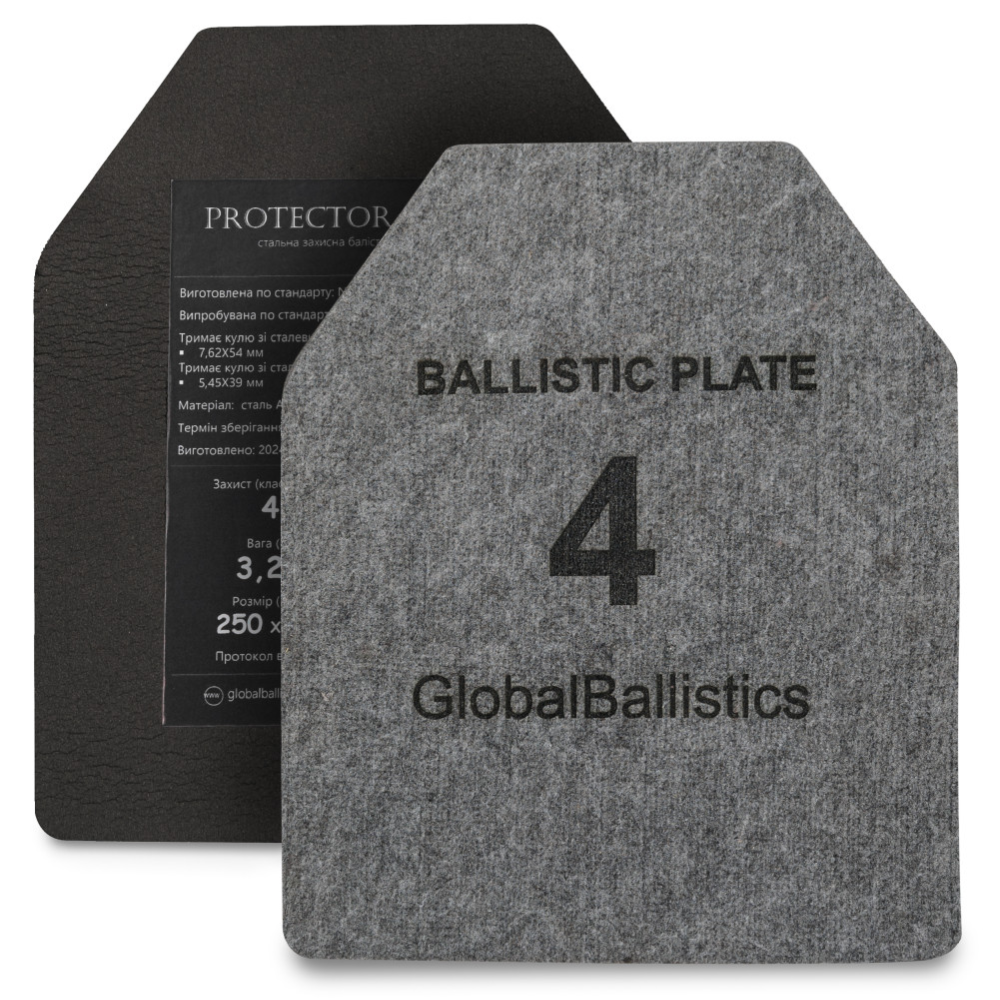
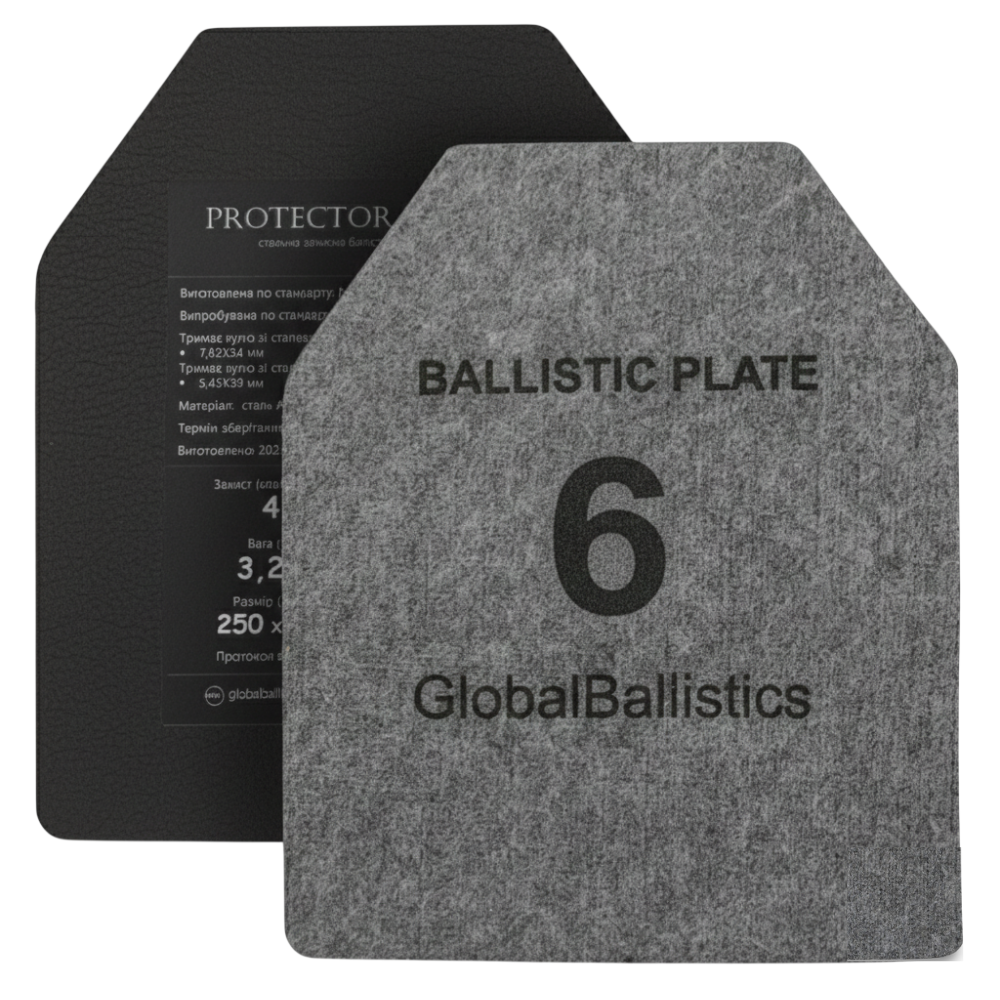
Armor plates are rigid protective inserts placed in a plate carrier or body armor. Their purpose is to absorb the impact of a bullet or shrapnel and reduce the risk of penetration.
Armor plates are used to enhance chest and back protection. If a soft ballistic package is insufficient, the plate provides a higher level of protection against more serious threats.
Armor plates are used in plate carriers, body armor, and modular protection systems. Most often, they are inserted into the front and back pockets, and in some kits, also into the side protection.
The most common armor plate sizes are S, M, L, and XL in SAPI or ESAPI format. For example, the popular size M is approximately 24×32 cm, and S is about 22×30 cm. Size M is most often considered the basic option for most adults.
Armor plates primarily protect the chest and back. If side plates are included, then the sides are also covered. This means the plate itself does not protect "the entire body," but rather the specific area where it is installed.
Armor plates are sold individually or in sets of two. Sometimes only the front plate is offered separately, but more often a pair is purchased – for the chest and back. Side plates usually come separately. This is evident both from the typical market presentation of sets and from individual items in catalogs.
Armor plates are made of steel, ceramic, ultra-high-molecular-weight polyethylene, or composite materials. Steel is cheaper and more durable, but heavier. Ceramic and polyethylene are lighter, making them more comfortable to wear, but usually more expensive.
The thickness of armor plates depends on the material and protection class. It is one for lighter polyethylene and composite solutions, and another for steel or ceramic ones. In practice, this is usually a range of about 1.5–3 cm, but the specific number always depends on the model. For example, ESAPI plates on the market have values around 2.6 cm.
The weight of armor plates heavily depends on the material and protection class. Lightweight polyethylene plates can weigh around 1.3–1.4 kg per piece, ceramic ones approximately 2.2–2.8 kg, and steel plates are often heavier. Therefore, two plates of the same size can feel completely different when worn.
Polyethylene armor plates are usually considered the lightest. They are chosen when mobility is important and one doesn't want to overload their shoulders and back. However, a lower weight usually comes at a higher price.
There are no best armor plates for everyone. If minimal weight is important, look at polyethylene or composite. If a different balance of price and durability is needed, steel may be chosen. If you want a lighter kit with a serious level of protection, ceramic is often considered. It all comes down to the task, protection class, and how much weight a person is actually willing to carry.
Armor plates are chosen based on four factors: protection class, material, weight, and size. If you choose the wrong size, the plate will either cover the wrong area or simply be uncomfortable in the plate carrier. If you choose the wrong material, you might either overpay or end up with a kit that's too heavy for your tasks. Therefore, it's important to consider not only the protection class but also how long these plates will need to be worn.
Armor plates in Ukraine can vary greatly in price. Basic steel sets start at approximately UAH 9,000 per pair, lighter ceramic ones often range from UAH 11,000–15,000, and lightweight polyethylene or specialized solutions can be even more expensive.
You can buy armor plates at the FlashArmy military equipment store. When choosing, consider not only the class, but also the weight, size, material, and the specific plate carrier or body armor for which these plates are intended.